
Healthcare website design for clinics that keep adding services.
Healthcare websites we have built.
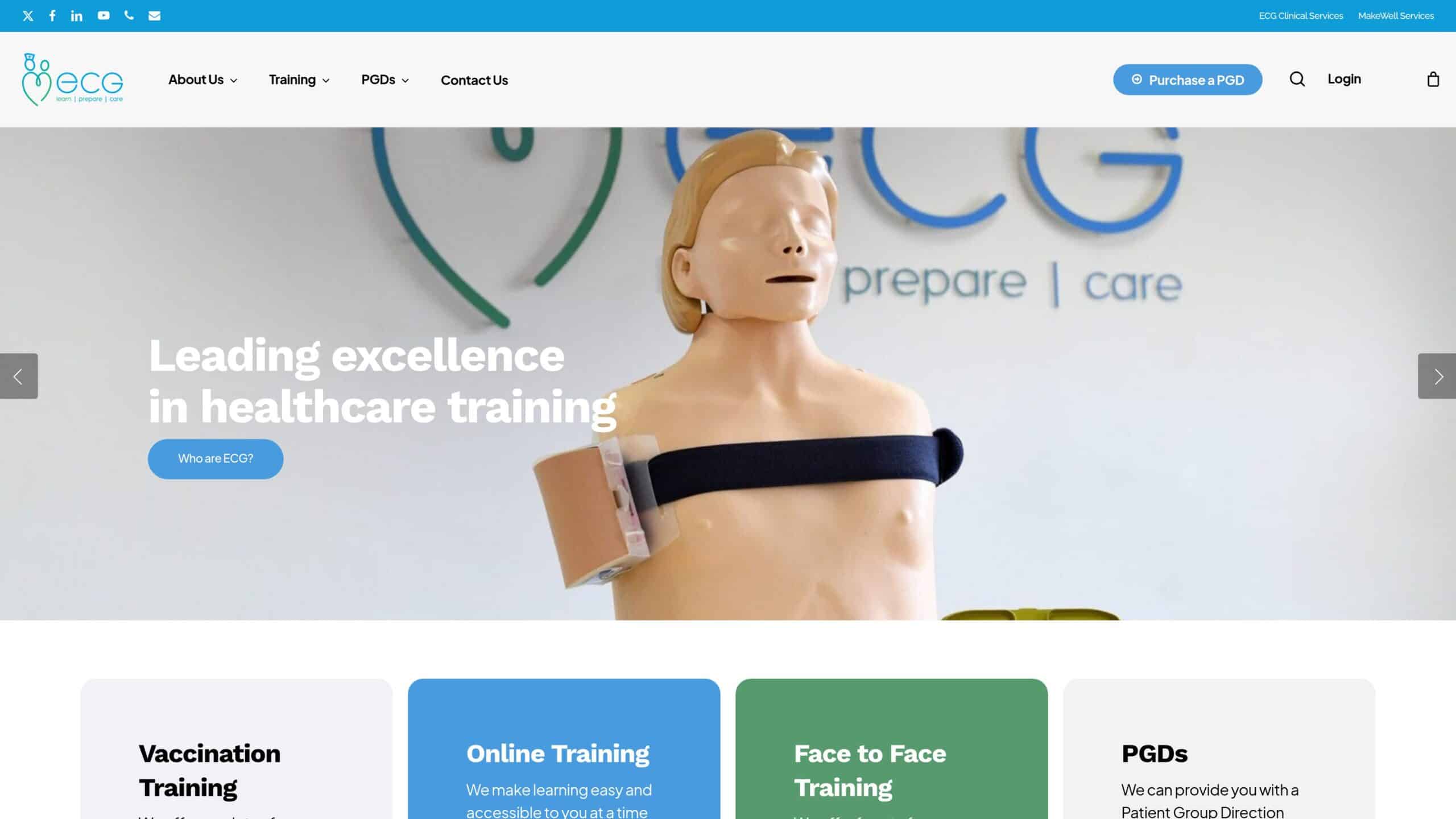

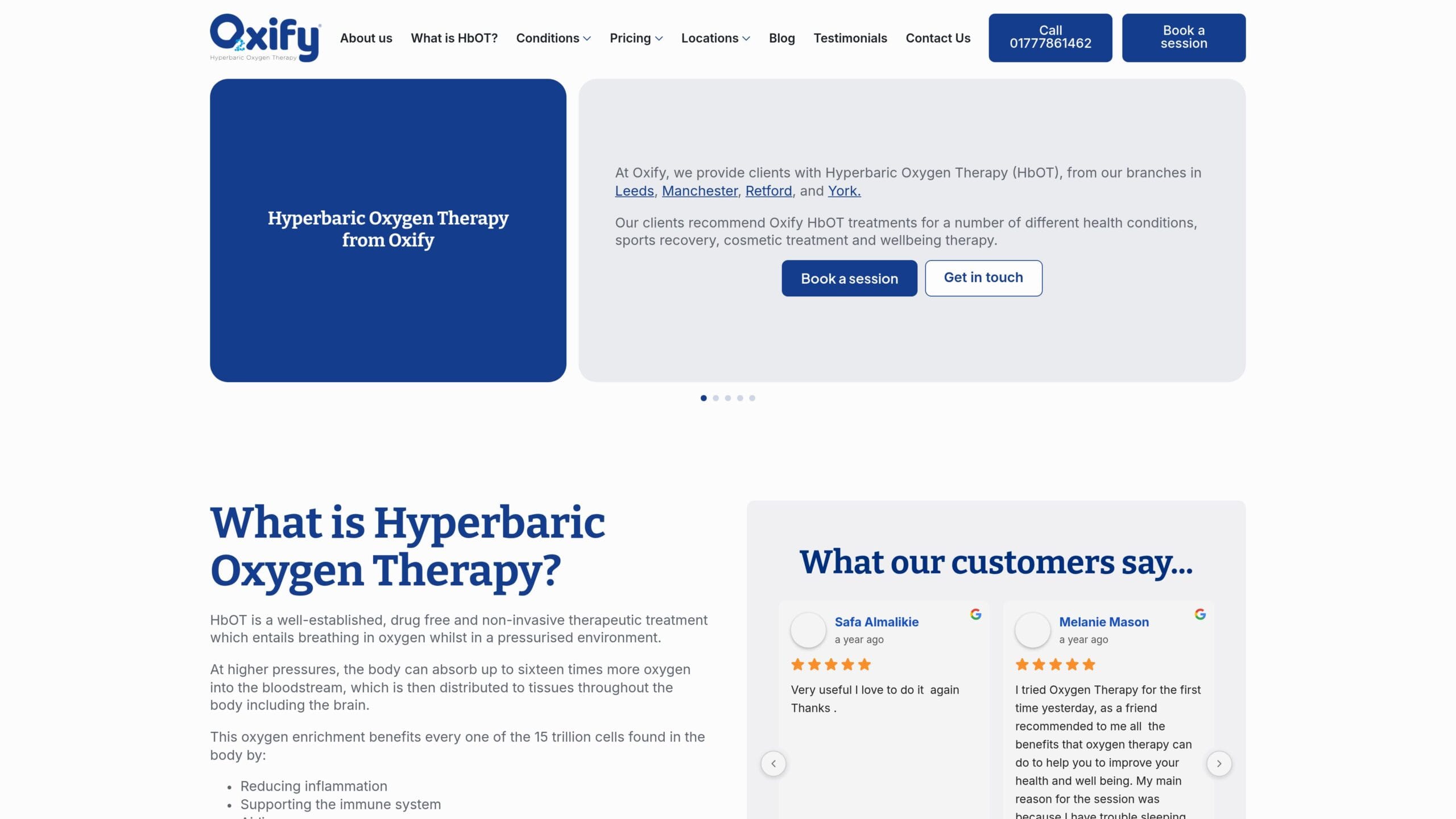
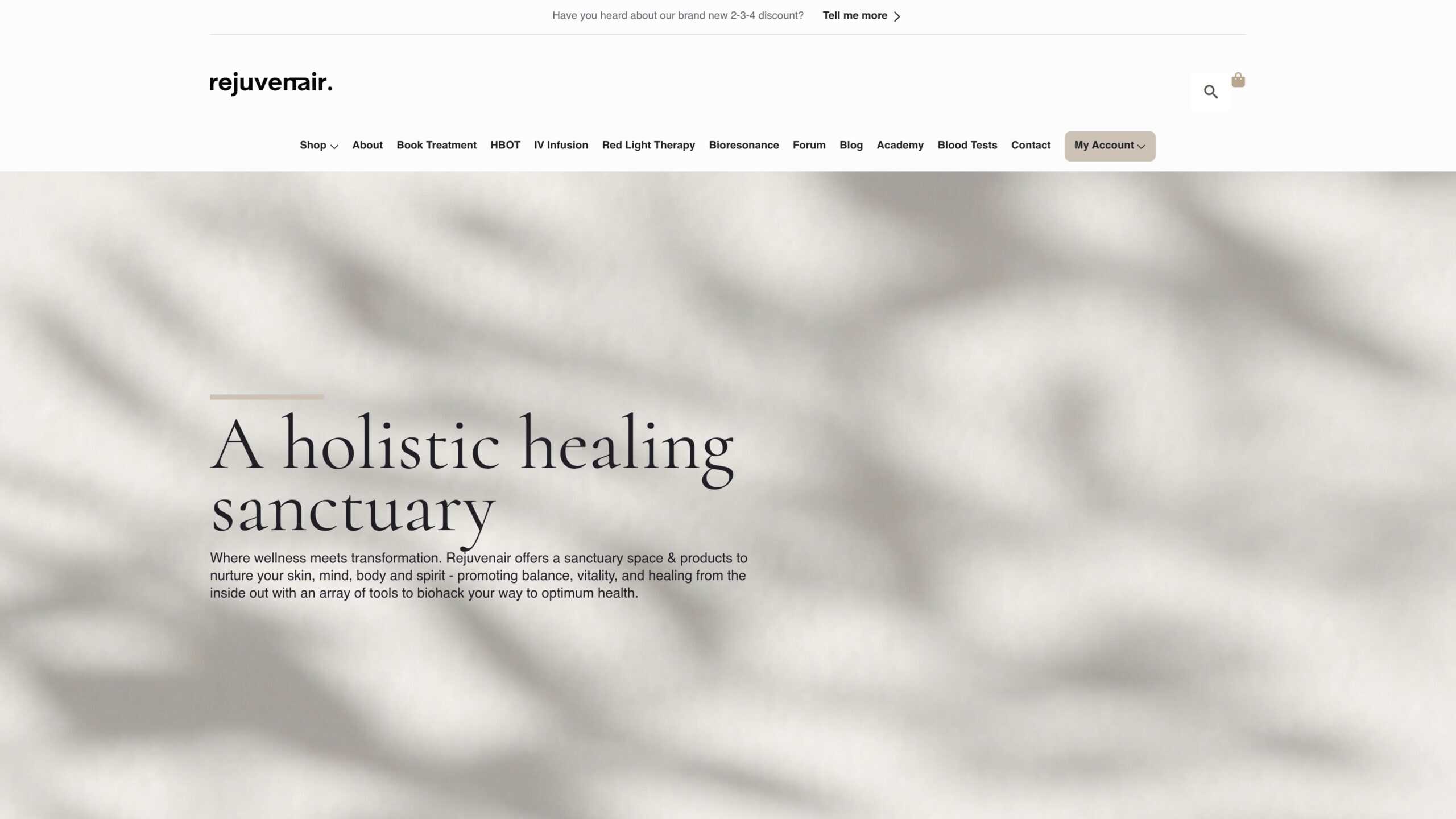
What we build for healthcare.
Clinics and medical practices have a structural problem most businesses do not: the service list keeps growing, and every new one needs a proper home rather than a line on a page.
Services patients can find
A clinic with fifty services cannot treat them all the same way. A £20 vaccination and a £1,295 assessment need very different pages, and the structure has to allow for both.
Booking that actually books
Cliniko, Semble or whatever you already run, embedded so patients book against real availability rather than filling in a form and waiting for somebody to ring back.
Adding a service without a quote
New treatments are constant in healthcare. Your team should be able to add one properly, with the right layout and the right depth, without a developer and without a wait.
Explaining things carefully
Patients arrive worried and under-informed. Pages that explain a procedure honestly, without overclaiming, do more for enquiries than any amount of design.
Accessibility taken seriously
Contrast, focus states, keyboard navigation and text that screen readers can follow. Health services reach people who need those things far more than most sites do.
Multiple sites, one standard
Groups, clinics and locations run as one operation rather than five separate websites drifting apart. We run five sites for one healthcare group on exactly this basis.
Your website doesn't have to work alone.
Medical website design has to account for the systems already in use. Clinics run on booking software, patient records and admin systems, and the site should feed them rather than create a second version of the same job.
Patients book without ringing you.
We embedded Cliniko across every service on one clinic site, managed through a single paste rather than a developer job each time a service is added or a diary changes.
Deliver the document at the point of purchase.
ECG Training supply Patient Group Directions, which are legal documents. Preparing one by hand took about three working days. It now takes about three minutes, generated at the checkout.
Enquiries reach the right clinic.
For a provider with five locations, an enquiry needs to reach the team who can actually see that patient, tagged with the location and the service it came from.
Keep the price list in one place.
Prices, durations and descriptions stored once and used everywhere they appear, so a change is made in one place instead of being hunted across forty pages.
Keep your team out of the CMS.
Some clinics want to edit everything. Others would rather clinical staff never saw a login. Both are reasonable, and the arrangement should match how the practice actually runs.
A healthcare specialist, or a bespoke build?
A specialist template
Reasonable. A sector template will be cheaper, faster, and built by people who have seen a hundred clinics. If your service list is stable and you are content to work the way the template works, it does the job.
Already have a website?
Most clinics do, and it usually works well enough until the day you need to change something. Replacing it is less disruptive than it sounds, and here is what is accounted for before anything moves.
- Your booking system
Stays exactly as it is. The website changes around it, and we test real bookings before launch rather than after.
- Services and prices
Everything comes across, restructured so the big treatments get the depth they need and the small ones stop competing with them.
- URLs and rankings
Old addresses redirect to their new homes, planned before the move, so patients searching for a treatment still land on it.
- Who can edit what
Agreed before build, not after. Some clinics want full control, others would rather clinical staff never saw a login.
- Going live
Out of hours, watched, and with the booking journey checked end to end before anyone relies on it.
What it costs, and how we work.
Healthcare and medical website design varies mostly by how many services you run and how much of the booking journey sits on the website.
From £2,500
- A fixed price for a defined scope, not an hourly rate that drifts.
- A single clinic with a straightforward service list starts there, as a custom designed, custom built site. Dozens of services, embedded booking, multiple locations or a group of sites sit above it, and we tell you which one you are before you commit.
- Pay monthly is available if the up-front cost is the obstacle rather than the project.
Services first, design second
- We start by sorting out the service list, because that is the actual problem in most clinic sites and no amount of design fixes it.
- Then design, then build, then testing the booking journey with real appointments before anything goes live.
- You deal with the people doing the work. No account manager relaying messages.
We are still here
- Hosting, updates, monitoring and backups, and someone to ring who already knows the site.
- We have run sites for the same healthcare group for years, across five sites. Nothing has been handed over and abandoned.
Questions people actually ask.
Yes. One of the clinics we look after is CQC-registered, NHS-affiliated and part of a wider healthcare group. In practice that mostly affects how carefully services are described and how claims are worded, rather than the build itself.
Usually. We have embedded Cliniko across an entire service range, and most modern booking platforms offer something similar. The aim is that patients book against your real availability rather than filling in a form and waiting for a call back.
Not normally, and that is deliberate. Appointments and records stay in your clinical system, which is built for them. The website handles enquiries and bookings, so ordinary GDPR obligations apply to contact details, and we keep the amount of personal information the site touches to a minimum.
Whoever you want. Some clinics want the whole team able to add a service; others prefer clinical staff never see a login and would rather we made changes. Both work, and it is worth deciding before the build rather than after.
Six to ten weeks for most clinic sites. Sorting out the service list usually takes longer than building the pages, particularly where there are dozens of treatments that have accumulated over the years.