
No products in the basket.
Website Design Website Development Guide for 2026 Success
Master website design website development for 2026 with expert strategies…

The e-commerce landscape is changing at a record pace, challenging every web designer e commerce professional to adapt or risk falling behind. By 2026, over a quarter of all UK retail sales will be online, making the competition fiercer and user expectations higher than ever before.
To succeed, mastering e-commerce best practices is no longer optional. You need to deliver real business value through high-performing, future-proof sites. This guide offers a step-by-step roadmap designed to help you stand out in a crowded market.
Inside, you’ll find actionable strategies, the latest design trends, and proven techniques for building, optimising, and future-proofing e-commerce websites. From foundational planning and user experience to technology choices, SEO, accessibility, and ongoing optimisation, this is your comprehensive blueprint for success in 2026.
The world of e-commerce is shifting at an unprecedented pace. For any web designer e commerce professional, understanding these changes is the first step toward staying ahead of the curve. The following sections break down the trends, expectations, regulations, and technologies shaping this landscape, giving you a clear view of what you need to succeed.
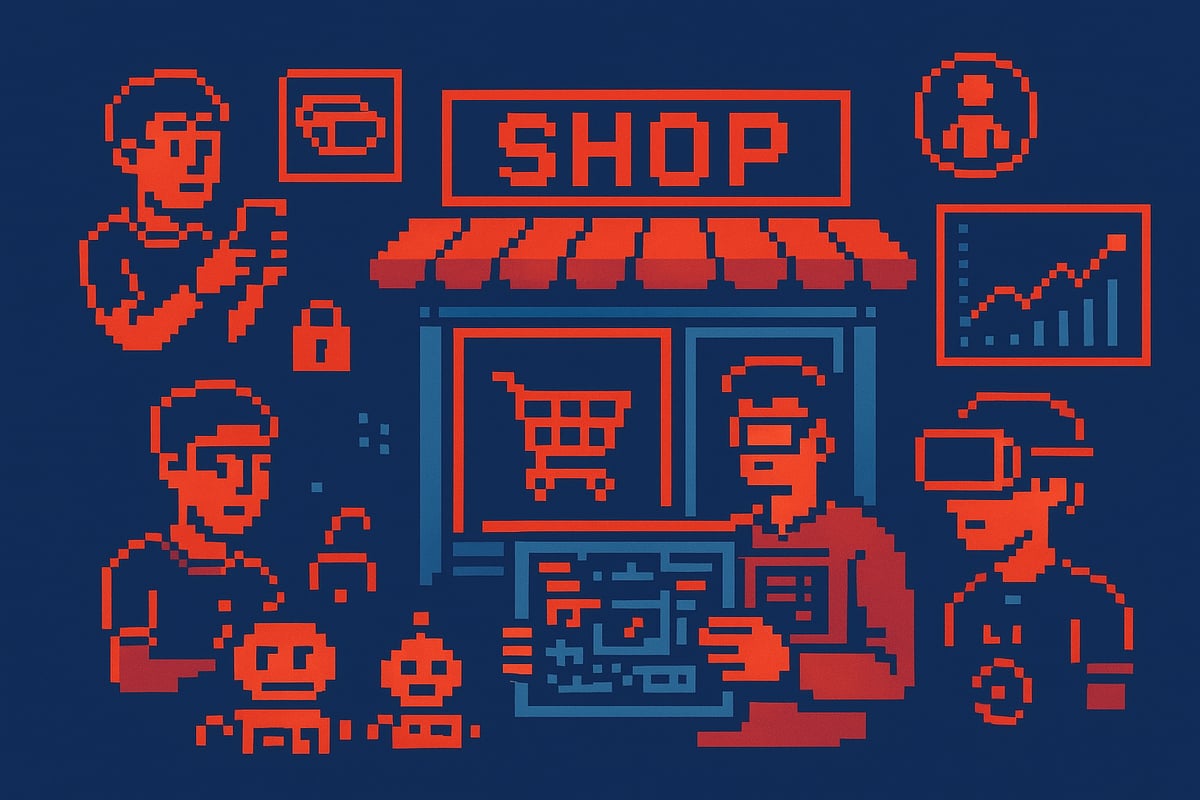
By 2026, global e-commerce sales are forecast to exceed £7 trillion, making it critical for every web designer e commerce specialist to anticipate major shifts. Mobile commerce will dominate, expected to account for more than 70 percent of all transactions. Social commerce, where users shop directly through platforms like Instagram and TikTok, is on the rise.
Omnichannel experiences are now essential, merging online and offline interactions for seamless shopping. Consumers increasingly demand personalisation and rapid service, while AI and automation are streamlining shopping journeys. Keeping pace with these trends is fundamental for web designer e commerce professionals aiming to deliver cutting-edge solutions.
Today’s shoppers expect seamless and intuitive journeys across every device. For a web designer e commerce project, fast load times are crucial, as over half of users abandon sites after just three seconds of delay. Enhanced product visualisation, such as AR and VR previews, is becoming a key differentiator.
Shoppers are also more conscious about ethical and sustainable practices, influencing their purchase decisions. Meeting these expectations requires a web designer e commerce approach that prioritises user experience and innovation at every stage.
The regulatory environment for e-commerce is evolving rapidly. Updates to GDPR and global privacy laws affect how a web designer e commerce site must handle customer data. Enhanced PCI DSS requirements mean that payment security is non-negotiable.
Accessibility is also moving into the spotlight, with WCAG 2.2 standards soon to be mandatory. Transparent data handling, visible trust signals, and regular compliance checks are now essential for any web designer e commerce project wishing to build user trust and avoid costly penalties.
Leading brands in the web designer e commerce space invest heavily in UX and UI innovation. They leverage micro-interactions and dynamic content to engage users and reduce friction. Robust customer support, including live chat and chatbots, is integrated throughout the buyer journey.
Consistent branding and storytelling, both on-site and across channels, set top performers apart. By analysing these differentiators, a web designer e commerce professional can identify opportunities to stand out and deliver exceptional results.
To remain future-ready, web designer e commerce specialists must invest in the latest technologies. AI-powered product recommendations, headless commerce architectures, and optimised voice and visual search are rapidly becoming standard. Preparing for Web3 and blockchain integration is also on the horizon.
For a deeper exploration of upcoming trends such as immersive AR/VR and social commerce, this E-commerce Website Design Trends for 2026 resource offers valuable insights. Staying informed and adaptable ensures your web designer e commerce practice is ready for whatever the future brings.
Strategic planning is the foundation of any successful web designer e commerce project. Before launching into design or development, you must establish clear goals, understand your audience, and create a roadmap that aligns with business objectives. This step ensures every decision is informed, measurable, and tailored to market demands.

Every web designer e commerce project should begin with a deep dive into business goals. Are you aiming for higher conversion rates, increased retention, or rapid brand growth? Aligning design strategy with these objectives is essential for measurable success.
Build detailed buyer personas using analytics, surveys, and market research. Understand demographic data, pain points, and shopping habits. For example, UK retailers focusing on niche audiences have seen significant boosts in conversion rates, proving that targeted design pays off.
If you need more guidance on this process, the E-commerce website designers guide offers a practical framework for aligning design with business strategy and audience insights.
To gain a competitive edge, a web designer e commerce project must include thorough competitor analysis. Start by identifying top-performing sites in your sector. Examine their site features, UX, visual hierarchy, and conversion tactics.
Use tools like SEMrush and SimilarWeb to benchmark site performance, traffic sources, and keyword strategies. Look for gaps and opportunities where your design can stand out. Identify unique selling points competitors may have missed, and use these insights to refine your own approach.
Choosing the correct platform is a pivotal decision for any web designer e commerce project. Assess options like Shopify, WooCommerce, Magento, and headless solutions. Consider scalability, customisation, integration capabilities, and long-term maintenance.
WooCommerce, for instance, powers 29 percent of all online stores globally, making it a flexible choice for many UK businesses. Compare platform costs, available plugins, and support communities to ensure your selection aligns with future growth.
| Platform | Pros | Cons |
|---|---|---|
| Shopify | Easy setup, robust support | Less flexible for custom UX |
| WooCommerce | Customisable, open-source | Requires WordPress expertise |
| Magento | Enterprise-grade, scalable | Higher cost, complex setup |
| Headless | Ultimate flexibility, speed | Advanced dev skills needed |
A successful web designer e commerce strategy requires mapping the entire customer journey. Visualise every touchpoint, from discovery and product search to checkout and post-purchase.
Identify friction points and drop-off risks at each stage. Use journey mapping tools to create clear, actionable diagrams. This clarity helps prioritise design elements that directly influence conversion, ensuring a seamless experience for every user.
Effective planning for web designer e commerce projects means setting realistic budgets for design, development, and ongoing support. Outline clear project timelines with milestones for each phase.
Engage stakeholders early and communicate frequently to keep everyone aligned. Transparent budgeting and defined roles prevent costly delays or misunderstandings, ensuring a smooth path from concept to launch.
Designing an e-commerce site for 2026 demands more than just visual appeal. As a web designer e commerce specialist, your focus must be on user experience and conversion at every step. Let's break down the essential components that will keep your projects ahead of the curve.

Navigation is the backbone of any successful e-commerce site. For a web designer e commerce project, clarity and simplicity win. Start by organising product categories logically, using either mega menus for large inventories or minimal navigation for focused catalogues.
Consider ASOS’s approach: their streamlined navigation reduces cognitive load and helps users find products quickly. Always test menu structures for both desktop and mobile. Incorporate breadcrumbs and search functions to support user orientation.
Stay informed about Website Design Trends to Boost Sales in 2026 for actionable ideas on effective navigation and conversion strategies.
Product pages are where decisions are made. As a web designer e commerce professional, you should prioritise high-quality visuals, including multiple images, 360° views, and short video demos.
Key elements:
Research shows that rich product media can increase conversions by up to 30%. Use concise bullet points to highlight features and benefits, making information easy to scan. Test layouts to ensure mobile and desktop consistency.
A complicated checkout is a conversion killer. The best web designer e commerce sites reduce steps and form fields for speed. Offer guest checkout, and integrate multiple payment options like Apple Pay, PayPal, and Klarna.
To prevent cart abandonment, use exit popups or reminder emails. Clearly display shipping costs and estimated delivery times early in the process. Use progress indicators so users know how many steps remain. Aim for a seamless, friction-free experience from cart to confirmation.
With over 70% of transactions expected on mobile by 2026, mobile-first must be your mantra as a web designer e commerce expert. Design thumb-friendly navigation, ensure large tap targets, and prioritise legibility.
Responsive grids and flexible images are essential. Compress images and leverage browser caching for fast load times. Google’s mobile-first indexing means your SEO depends on performance across all devices. Test on various screen sizes, from smartphones to tablets and desktops.
A truly effective web designer e commerce site serves every customer. Implement WCAG 2.2 guidelines, focusing on sufficient colour contrast, keyboard navigation, and ARIA labels.
Checklist for accessibility:
With 1 in 5 UK adults living with a disability, accessibility is not optional. Regularly audit your site and seek user feedback to continually improve inclusivity.
Personalisation is a powerful differentiator for any web designer e commerce project. Use AI-driven recommendations and tailor content by user location or past behaviour. Dynamic homepages, like Amazon’s, adapt in real time to user preferences.
Techniques include:
This approach increases engagement and repeat purchases. Ensure personalisation does not compromise privacy or site speed.
Trust is the foundation of conversion. Display authentic reviews, testimonials, and recognisable trust signals throughout the site. Make your shipping, returns, and privacy policies clear and accessible.
Integrate live chat or chatbot support for instant assistance. As a web designer e commerce professional, ensure that every step of the customer journey feels transparent and secure. Regularly review user feedback to identify and remove friction points, keeping the experience smooth and trustworthy.
Pixelish is a leading web designer e commerce agency based in Doncaster, trusted by businesses across South Yorkshire and the UK. With over 12 years of industry experience and more than 50 bespoke WordPress projects delivered in the past six months, Pixelish has earned a reputation for creating high-performance, future-ready e-commerce sites.
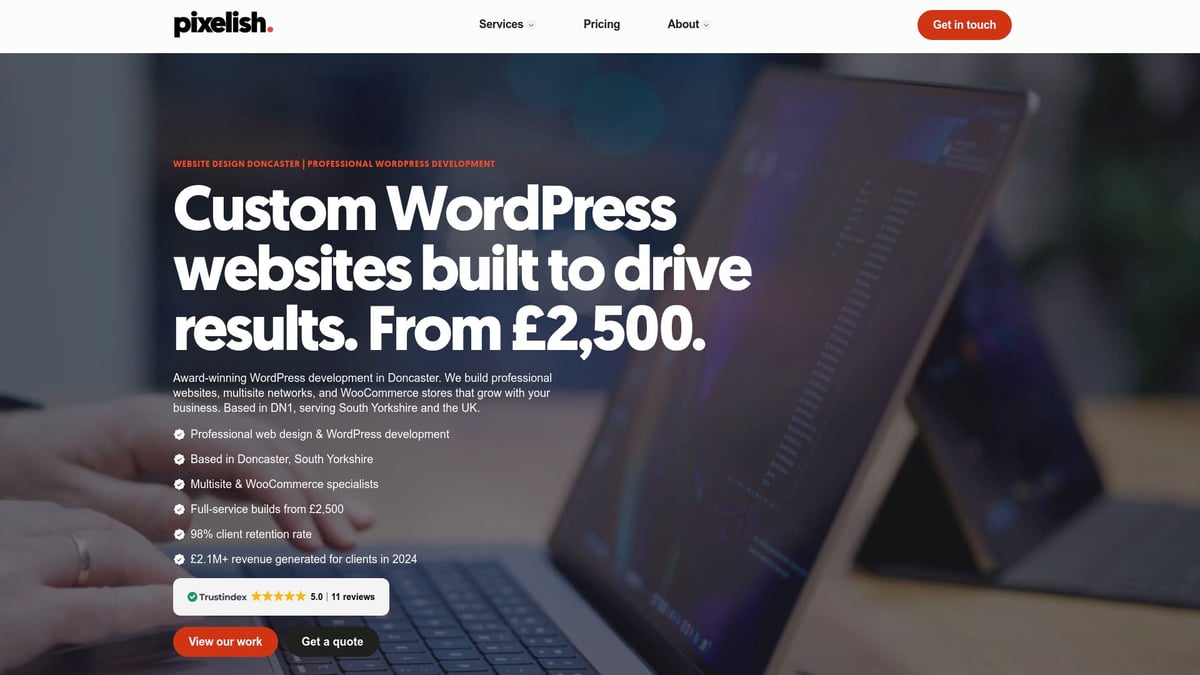
The team specialises in crafting custom WooCommerce stores tailored to each client’s growth goals. Their WooCommerce web design expertise ensures every site is mobile responsive, SEO-optimised, and accessibility-ready.
Pixelish offers a complete range of services, including custom WordPress design, WooCommerce development, multisite networks, seamless migrations, and ongoing support. Transparent pricing, flexible management options, and rapid delivery—typically within four to six weeks—set them apart.
In 2024 alone, Pixelish generated over £2.1 million in client revenue and achieved a 98 percent retention rate. Their results-driven approach makes them the go-to partner for ambitious brands seeking e-commerce growth.
Staying ahead in web designer e commerce requires embracing the latest design trends shaping the digital retail world. In 2026, visual appeal, interactivity, and ethical considerations are more critical than ever for creating memorable user experiences. Let us explore the trends that will define high-performing online stores and help you keep your skills future-ready.
Minimalism is a cornerstone of web designer e commerce for 2026. Clean layouts, generous whitespace, and a focus on essential elements help users navigate with ease. By removing visual clutter and streamlining content, you direct attention to products and calls to action.
Micro-interactions add subtle delight, signalling actions like adding to basket or favouriting an item. For example, Apple’s product pages use smooth animations and tiny feedback cues to guide users through the buying journey. These touches not only enhance usability but also evoke a sense of polish and professionalism. Prioritise clarity, and let each interaction support the conversion path.
Advanced visuals are transforming web designer e commerce strategies. Augmented reality enables customers to try on products virtually, while 3D models allow shoppers to inspect items from every angle. Video demos and stories make brands more relatable and products easier to understand.
For instance, leading retailers now offer AR previews for furniture or accessories, helping buyers make confident decisions. Incorporating video can increase engagement, especially on mobile. Explore E-commerce Website Development Trends to Watch in 2026 for further inspiration on immersive technologies that elevate customer experience.
Dark mode is gaining traction in web designer e commerce, offering users a comfortable viewing option, especially in low-light environments. Allowing shoppers to toggle between light and dark themes not only improves accessibility but also caters to personal preference.
Customisable themes help reinforce brand identity and create a consistent experience across devices. Dark interfaces can reduce eye strain and even save battery on OLED screens. As part of your design process, ensure both modes are visually balanced, with sufficient contrast and clear, legible text. This flexibility demonstrates a commitment to user-centric design.
Sustainability is now a key differentiator for web designer e commerce professionals. Highlighting eco-friendly products, ethical sourcing, and transparent business practices builds trust and loyalty among conscious consumers.
Low-carbon web design, such as optimising images and reducing unnecessary scripts, contributes to a greener internet. Patagonia’s site exemplifies how to merge product storytelling with sustainability messaging. Consider adding clear badges, sustainability filters, or educational content to support informed choices. Ethical design is not just a trend, but a responsibility that resonates with modern shoppers.
Interactivity is reshaping web designer e commerce. Live shopping events, shoppable videos, and real-time chat create engaging, communal experiences that mimic in-store interactions. Integration with platforms like Instagram, TikTok, and Pinterest brings your shop to where customers already spend time.
User-generated content, such as reviews and photos, adds authenticity and social proof. Encourage customers to share their experiences, and showcase these moments directly on product pages. Social shopping blurs the line between community and commerce, driving both engagement and conversions for forward-thinking brands.
Choosing the right technology stack is critical for every web designer e commerce project. Your platform and tools will shape scalability, performance, and the ability to adapt to future trends. With so many options, making informed decisions at this stage sets the foundation for long-term success.
Selecting the right platform is a pivotal decision for any web designer e commerce project. Popular choices include Shopify, WooCommerce, Magento, and BigCommerce, each with unique strengths. Shopify offers ease of use and robust app integrations, while WooCommerce provides flexibility for WordPress users. Magento is known for scalability and advanced features, but often requires more development expertise. BigCommerce stands out for built-in multi-channel selling.
| Platform | Strengths | Best for |
|---|---|---|
| Shopify | User-friendly, apps | Rapid launches, SMEs |
| WooCommerce | Flexible, open-source | Custom WordPress solutions |
| Magento | Scalable, feature-rich | Large/complex stores |
| BigCommerce | Omnichannel, SaaS | Growth-focused retailers |
For businesses with unique needs, Custom e-commerce development solutions provide tailored approaches, ensuring your tech stack aligns with your brand and goals.
A web designer e commerce toolkit is incomplete without the right plugins and integrations. Key essentials include payment gateways like Stripe and PayPal, inventory management systems, and marketing automation tools. Integrating APIs enables seamless connections with CRMs, shipping providers, and analytics platforms.
Select plugins that are regularly updated and compatible with your chosen platform. Review integration documentation and support to avoid future headaches.
Security is non-negotiable for every web designer e commerce build. Start with SSL certificates, PCI DSS compliance, and data privacy measures aligned with GDPR. Conduct regular security audits and vulnerability scans to protect customer data.
Performance is equally vital. Optimise site speed with image compression, lazy loading, and a reliable CDN. Fast-loading sites not only please users but also improve search rankings. Prioritise both compliance and speed to ensure a seamless, secure shopping experience.
Data-driven decisions are at the heart of a successful web designer e commerce strategy. Set up Google Analytics 4 with enhanced e-commerce tracking to monitor user journeys and sales. Use heatmaps and session recordings to uncover usability issues.
A/B testing tools, such as Optimizely or Google Optimize, help you refine layouts and content for better conversions. Integrate analytics with your tech stack early to enable continuous improvement and agile responses to market changes.
Staying ahead in the web designer e commerce space requires more than just beautiful visuals. To ensure your site attracts, converts, and retains customers in 2026, you must focus on SEO, accessibility, and continuous optimisation. This step guides you through essential practices for lasting success.
To excel as a web designer e commerce specialist in 2026, mastering SEO is essential. Start with comprehensive keyword research tailored to your products, categories, and target audience. Implement structured data and rich snippets to enhance your visibility in search results, making your listings more attractive and informative.
A strong internal linking strategy not only improves crawlability but also guides users smoothly through your site. For a deep dive into integrating SEO with web design, visit Web design and SEO optimisation. Staying updated with algorithm changes and user intent will keep your web designer e commerce projects competitive.
Technical SEO is the backbone of every high-performing web designer e commerce website. Optimise your site structure for both users and search engines by organising categories, products, and content in a logical hierarchy. Use canonical tags to avoid duplicate content issues, and maintain an up-to-date XML sitemap and robots.txt file.
Fast load times are critical, especially as Google continues to prioritise mobile optimisation. Regularly audit your site for broken links, slow-loading pages, and indexing errors. These technical foundations help ensure your web designer e commerce site ranks well and delivers a seamless experience.
Ensuring accessibility is no longer optional for the web designer e commerce professional. Regularly test your site using both automated tools and manual checks to meet the latest WCAG guidelines. Prioritise features like keyboard navigation, proper colour contrast, and descriptive ARIA labels to serve every user.
Establish a feedback loop by inviting users with diverse needs to share their experiences. Continuously update your site as standards evolve and regulations change. By embedding accessibility into your workflow, you future-proof your web designer e commerce projects and expand your reach.
Conversion rate optimisation is vital for any web designer e commerce strategy. Employ ongoing A B and multivariate testing to refine layouts, CTAs, and messaging. Use personalisation tactics to recommend products and boost average order value based on user behaviour and preferences.
Monitor bounce rates and identify friction points with tools like heatmaps and session recordings. Adopting the latest CRO techniques ensures your web designer e commerce site delivers measurable results and adapts to shifting consumer trends.
Ongoing maintenance is crucial for web designer e commerce success. Schedule regular platform and plugin updates to keep your site secure and high-performing. Implement automated backups and security monitoring to protect your assets and customer data.
Conduct periodic performance reviews and audits to spot areas for improvement. Reliable support ensures your web designer e commerce site can grow without disruption, positioning your business to thrive in the rapidly evolving digital landscape.
After exploring the essential strategies and future-focused trends shaping e commerce web design for 2026, you might be considering how to put these insights into action for your own business or clients. Whether you want to refine your website’s user experience, boost conversion rates, or ensure your platform is ready for tomorrow’s challenges, the right partnership can make all the difference. At Pixelish, we specialise in crafting high performance, SEO optimised e commerce sites tailored to your goals and the latest industry standards. If you’re ready to discuss your next project or just have questions, Get in touch—we’re here to help you succeed.



© Copyright 2025, All Rights Reserved by Pixelish