Web Design and SEO Guide: Elevate Your Online Presence 2025

Author Pixelish
Published November 12, 2025

In 2025, the digital landscape is more competitive than ever, with businesses striving to capture attention and win trust online. Success now depends on more than just good looks or technical tweaks—it hinges on the strategic fusion of web design and seo.

Balancing visual appeal with search performance is essential for higher rankings, increased organic traffic, and a seamless user experience. This guide walks you through expert strategies, practical steps, and common pitfalls to help you master seo web design.

Explore what works, why it matters, and how to measure your progress for real business growth.

What is SEO Web Design?

In today’s digital world, understanding the relationship between web design and seo is essential for any business aiming to thrive online. As we head into 2025, the boundaries between visual design and search engine optimisation have blurred, making a unified approach more important than ever. Let’s explore what this means and why it matters for your website’s success.

What is SEO Web Design?

Defining SEO and Web Design

SEO, or search engine optimisation, involves refining your website so it ranks higher on search engine result pages (SERPs). This process covers factors like keyword usage, content quality, technical structure, and website authority. In contrast, web design focuses on a site’s visual presentation, structure, and how users interact with its features.

The intersection of web design and seo has become increasingly significant. Today, user experience (UX), accessibility, and technical performance are all vital for both search engines and human visitors. In 2025, the two disciplines no longer operate in isolation. Instead, a well-designed site is expected to perform well in search, and an SEO-friendly site must be visually engaging and easy to use.

This evolution is driven by changing user expectations and smarter search algorithms. Businesses can no longer afford to treat SEO and web design as separate tasks.

The Importance of Integration

Balancing user appeal with search engine requirements is now non-negotiable. Google and other search engines have shifted their algorithms to reward websites that deliver strong user experiences alongside technical excellence. Notably, updates prioritise site speed, mobile usability, and overall satisfaction.

Take Shopify as an example. Their platform is engineered to provide seamless navigation and clear content structure, both of which are critical for users and search engines alike. When web design and seo are integrated, your site benefits from increased visibility and engagement.

Sites that focus solely on appearance or technical optimisation often struggle to reach their full potential. Only by merging these disciplines can businesses achieve higher rankings, attract more visitors, and foster lasting loyalty.

Core Elements of SEO Web Design

To excel in web design and seo, you must optimise a range of elements:

  • Mobile responsiveness: With more users browsing on smartphones, a responsive site is essential for both rankings and user satisfaction.
  • Site speed: Fast-loading pages keep visitors engaged and improve your search position.
  • Content structure and navigation: Clear headings, logical menus, and accessible information help users and search engines alike.
  • Indexability: Ensure your content can be easily crawled and indexed by search engines.

Research by Backlinko demonstrates that Google considers over 200 ranking factors, many of which relate directly to design and technical performance. For practical guidance, you might consider SEO services for websites that specialise in aligning these core elements for measurable results.

A strategic approach to web design and seo ensures your site stands out, performs well, and remains competitive in the evolving digital landscape.

Why SEO Web Design Matters in 2025

In 2025, mastering web design and seo is vital for any business aiming to thrive online. The digital landscape is more crowded than ever, and only those who combine aesthetic appeal with technical optimisation will stand out. By integrating web design and seo, you unlock a range of benefits that support sustainable growth, better user experiences, and a stronger competitive edge.

Why SEO Web Design Matters in 2025

Increases Organic Traffic

Organic search remains the most sustainable and cost-effective way to drive visitors to your website. With web design and seo working together, your site is more likely to appear at the top of search engine results. According to Shopify, the first search result receives over 25 percent of all clicks, while the tenth spot drops to just 2.5 percent. This dramatic difference highlights how high search visibility, achieved through effective web design and seo, can lead to significant business growth.

Attracts High-Intent Visitors

When users search for products or services, they are often ready to take action. Web design and seo ensure your site reaches these high-intent visitors at the right moment. As your site ranks higher, brand awareness and trust increase. Many users return after their initial discovery, drawn by helpful content and a positive experience. This cycle builds a loyal audience and boosts conversion rates.

Enhances User Experience (UX)

Google now places user experience at the heart of its ranking criteria. Metrics like dwell time, bounce rate, and mobile usability are all directly influenced by web design and seo choices. Every pound invested in UX returns up to £100, according to Forbes. In practice, this means higher engagement, lower bounce rates, and more sales. To learn more about current trends, see how User Experience Now Plays Central Role in SEO Rankings.

Maximises Marketing ROI

Unlike paid advertising, web design and seo generate ongoing returns with minimal ongoing costs. Free SEO tools and best practices are widely available, allowing businesses of any size to compete for visibility. When your site is optimised, each visitor is more likely to convert, making your marketing spend go further. Shopify’s resources highlight how effective strategies can be implemented without a large budget.

Builds Trust and Authority

Web design and seo together help your site earn higher rankings, which signals credibility to both users and search engines. Sites that appear at the top of results are seen as more trustworthy and authoritative. Over time, this trust translates into lasting brand reputation and stronger customer loyalty, both essential for long-term success.

Keeps You Competitive

The online marketplace is evolving rapidly, and your competitors are investing in web design and seo to secure their share. Failing to keep up means risking lost market share and relevance. Ongoing optimisation ensures your site remains compliant with algorithm changes and continues to perform at its best, keeping your business ahead.

In summary, prioritising web design and seo in 2025 is no longer optional. It is the foundation for attracting quality traffic, delivering outstanding user experiences, and achieving measurable business growth.

10 Essential Elements to Optimise for SEO Web Design

Creating a website that excels in both user experience and search rankings requires a strategic approach. Here are the 10 essential elements every business should address when optimising web design and seo for 2025.

10 Essential Elements to Optimise for SEO Web Design

1. Mobile-Friendliness

Mobile-friendliness is fundamental in web design and seo today. With over 6.47 billion mobile users worldwide, your site must deliver a seamless experience across devices. Google prioritises mobile-first indexing, so responsive layouts are essential. For example, brands like The Sill ensure their websites look and function perfectly on both desktop and mobile.

Tips for mobile optimisation:

  • Use a responsive framework.
  • Test on various devices and screen sizes.
  • Prioritise touch-friendly navigation.

Staying updated on design trends that boost SEO in 2025 can help keep your site ahead in mobile usability.

2. Website Speed

Fast-loading sites are non-negotiable for web design and seo success. Users expect content to appear quickly, and Google rewards sites that deliver. Hosting quality, image sizes, plugins, and scripts all affect speed. Tools like Google PageSpeed Insights and Shopify’s Web Performance dashboard can help benchmark and improve performance.

Every millisecond counts. Studies show that even a minor speed boost can increase conversion rates significantly. Compress images, minimise scripts, and choose reliable hosting.

3. Sitemaps

XML sitemaps are crucial for web design and seo because they guide search engines through your site’s content efficiently. Keeping your sitemap updated ensures that new pages are indexed quickly. Submit your sitemap via Google Search Console for best results.

E-commerce sites with thousands of products especially benefit from robust sitemaps. Double-check for errors or outdated links to ensure smooth crawling and indexing.

4. Readability and Content Structure

A clear content structure is vital for web design and seo. Use headings, bullet points, and concise paragraphs to guide both users and search engines. Schema markup can enhance your listings with additional SERP features.

For example, Backlinko emphasises structured content as a key ranking factor. Well-organised pages improve both engagement and discoverability.

5. Image Optimisation (File Names & Alt Tags)

Images play a big role in web design and seo. Descriptive file names and alt tags improve accessibility and give search engines context. Compress images to reduce load times without sacrificing quality.

E-commerce stores that optimise product images often see better rankings and user experience. Remember, every image should add value and be discoverable by search engines.

6. Website Navigation

Intuitive navigation is a core principle of web design and seo. Menus should be simple, logical, and easy to use. Internal linking helps both users and crawlers access important pages.

Aim for a flat architecture, where key pages are reachable within two or three clicks. Shopify’s navigation best practices highlight the importance of clear, accessible menus for both usability and SEO.

7. URL Structure

Clean, keyword-rich URLs are preferred in web design and seo. Avoid using unnecessary parameters or symbols. Instead, use hyphens to separate words for clarity.

Compare /web-design-doncaster/ with /page?id=1234. The former is more readable and SEO-friendly. Consistent URL structure makes your site easier to navigate and index.

8. Metadata (Titles & Descriptions)

Metadata is the backbone of web design and seo. Craft compelling meta titles and descriptions using relevant keywords. Well-optimised metadata can improve click-through rates and visibility in search results.

Tools like SERP preview generators allow you to test how your metadata appears in search engines. Regularly review and update to reflect changes in your content strategy.

9. Indexable Content

Ensuring your content is indexable is a must for web design and seo. Avoid hiding important information in images, Flash, or non-crawlable scripts. Use HTML for all critical content.

Sites that rely heavily on JavaScript can struggle with search visibility. Check that key pages and information are accessible to both users and search engines.

10. Technical SEO Foundations

Strong technical SEO foundations support your web design and seo efforts. Use SSL certificates for HTTPS security, implement canonical tags to avoid duplicate content, and add schema markup for rich results.

Regularly conduct technical audits to check for speed, mobile usability, and indexability issues. Staying proactive ensures your site meets evolving standards and maintains its competitive edge.

Step-by-Step Guide: Implementing SEO Web Design in 2025

Success in web design and seo requires a clear, methodical approach. Following a proven step-by-step process helps ensure that your website is optimised for both users and search engines from day one. Below is a practical guide for 2025, designed to help you launch a site that performs and converts.

Step-by-Step Guide: Implementing SEO Web Design in 2025

Step 1: Research & Planning

The foundation of effective web design and seo is thorough research and careful planning. Begin by defining your target audience and understanding their needs and search habits. Use keyword research tools to uncover valuable search terms related to your business and industry.

Analyse competitor websites to identify strengths, weaknesses, and opportunities. Take note of their design, content structure, and SEO strategies. Map out your site architecture, focusing on logical navigation and a clear content plan. This ensures all critical pages are easy to find and optimised for both users and search engines.

Develop a content strategy that aligns with business goals and user intent. Proper research and planning set the stage for a high-performing website.

Step 2: Design for UX and SEO

During the design phase, balance visual appeal with technical performance. Wireframe your website with the user journey in mind, ensuring that navigation is intuitive and key information is accessible. Prioritise mobile-first design principles, as mobile usability directly impacts web design and seo outcomes.

Consider page layouts that support fast load times and highlight important content. Choose colour schemes, fonts, and images that engage users without distracting from your message. Accessibility features, such as readable fonts and adequate contrast, are essential for inclusivity.

Plan for SEO elements like schema markup and internal linking from the outset. A well-designed site encourages visitors to stay longer and interact more, which positively affects rankings.

Step 3: Develop with SEO Best Practices

Development is where your web design and seo plans come to life. Use semantic HTML5 for clean, structured code that search engines can easily crawl. Implement schema markup to enhance how your pages appear in search results and improve click-through rates.

Optimise images by compressing files and using descriptive alt tags. Minimise the use of unnecessary scripts and plugins, which can slow down your site. Ensure all important content is indexable and avoid placing key information in images or non-crawlable formats.

For those using platforms like WordPress, WordPress web design expertise can be invaluable for building scalable, SEO-friendly sites. Regularly test your site on multiple devices and browsers to catch technical issues early.

Step 4: Content Creation & On-Page Optimisation

High-quality, relevant content is the backbone of web design and seo success. Write content that addresses user intent, incorporates targeted keywords naturally, and provides clear value. Break up text with headings, bullet points, and multimedia to enhance readability and engagement.

Optimise meta titles and descriptions for each page, using keywords to improve visibility in search results. Internal linking guides users and search engines to related content, strengthening your site structure.

Use schema markup to highlight important information, such as reviews or product details. Regularly update your content to keep it fresh and aligned with changing search trends. Well-optimised content supports higher rankings and better user experience.

Step 5: Launch & Test

Before launching, perform a comprehensive SEO checklist. Verify that all pages are indexable and that your sitemap is current and submitted to Google Search Console. Set up redirects if you have changed URLs, and ensure analytics tracking is in place to monitor performance.

Test your site’s mobile responsiveness and cross-browser compatibility. Use tools to check site speed and core web vitals, addressing any bottlenecks that could harm rankings or user satisfaction.

A smooth launch process prevents common issues that can undermine your web design and seo efforts. Early testing and monitoring catch problems before they affect users or search engines.

Step 6: Monitor, Analyse, and Improve

Post-launch, ongoing monitoring is essential for sustained web design and seo performance. Use Google Analytics and Search Console to track traffic, rankings, and user behaviour. Look for trends in bounce rate, session duration, and conversion rates to gauge success.

Identify high-performing pages and replicate their strategies across your site. Use heatmaps and session recordings to uncover user pain points and inform design updates. Regularly audit technical elements like speed, mobile usability, and security.

Continuous improvement is key in 2025. Update content, fix technical issues, and stay informed about algorithm changes. This proactive approach maintains your competitive edge and drives long-term growth.

Example Timeline for a Successful SEO Web Design Project

WeekMain Activities
1-2Research, planning, and wireframing
3-4Design and development iterations
5Content creation and technical optimisation
6Testing, launch, and initial monitoring

Common Pitfalls to Avoid

  • Neglecting mobile optimisation
  • Overlooking technical SEO basics
  • Ignoring user intent in content creation

Avoiding these mistakes ensures your web design and seo project delivers measurable results and lasting value.

Measuring Success: Analytics, KPIs, and Continuous Improvement

Understanding how to measure the impact of your web design and seo efforts is crucial for ongoing business growth. With the right approach, you can track what truly matters and make data-driven improvements.

Setting Key Performance Indicators (KPIs)

Begin by defining clear KPIs that align with your web design and seo objectives. Focus on metrics such as organic traffic, bounce rate, and average session duration. These indicators reveal how users interact with your site and whether your optimisation strategies are effective.

Conversion rates from organic visits are another critical KPI. Track how many users complete desired actions, such as purchases or form submissions. Regularly monitoring keyword rankings and visibility will help you understand if your web design and seo work is moving you up the search results.

Using Analytics Tools

To measure the performance of your web design and seo, leverage powerful analytics tools. Google Analytics provides deep insights into user behaviour, including device breakdown, behaviour flow, and conversions. Google Search Console highlights index coverage and search performance, making it easier to spot crawl errors or drops in rankings.

Third-party platforms such as SEMrush, Ahrefs, and Moz enable competitor benchmarking and keyword tracking. If you ever wonder why your website is not showing up in Google, check out Why isn’t my website on Google for practical troubleshooting advice.

Interpreting Data for Actionable Insights

Data is only valuable when it leads to action. Identify your high-performing pages and replicate their success elsewhere on your site. Use heatmaps and session recordings to pinpoint where users drop off or encounter friction.

A/B testing is essential in web design and seo, allowing you to compare different layouts or content approaches. This process helps refine your strategy, ensuring every change is backed by evidence.

Continuous Optimisation Cycle

Adopt a mindset of ongoing improvement. Schedule regular technical audits to check site speed, mobile performance, and security. Keep your content fresh and expand it in response to search trends.

Stay up to date with algorithm changes and industry best practices. Continuous refinement of your web design and seo ensures you remain competitive and maintain strong search visibility.

Example: Data-Driven Improvements

Real-world results show the value of measurement. For example, a site that improved its speed saw a 20 percent increase in conversions. Updating navigation structure led to lower bounce rates and longer user sessions.

By consistently tracking, analysing, and acting on your web design and seo data, you create a feedback loop that fuels growth and long-term success.

Frequently Asked Questions About SEO Web Design

Navigating the world of web design and seo can raise plenty of questions, especially as best practices evolve. Below, we answer the most common queries that business owners and marketers face when integrating web design and seo for lasting success.

What’s the difference between SEO and web design?

SEO, or search engine optimisation, is about improving your website’s visibility in search engine results, using strategies like keyword research, technical fixes, and content optimisation. Web design focuses on the look, structure, and usability of your site, including layouts, graphics, and navigation.

While each discipline brings unique skills to the table, web design and seo now work hand-in-hand. Modern websites must balance technical optimisation with an engaging visual experience. Combining both ensures your site attracts visitors and keeps them engaged.

How often should I update my website for SEO?

Ongoing updates are vital for web design and seo success. Regularly refreshing your content, images, and technical elements helps maintain high rankings and user engagement.

For most businesses, reviewing SEO and web design elements every quarter is recommended. Update core pages, blogs, and technical features in line with industry trends and algorithm changes. This proactive approach boosts your site’s authority and keeps it relevant.

Can I do SEO and web design myself, or should I hire professionals?

Many website owners start by learning the basics of web design and seo through tutorials and free tools. DIY can work for small projects or low-competition niches. However, as your website grows, technical challenges and competition increase.

Hiring professionals brings specialist knowledge, efficiency, and strategic insight. Agencies or freelancers can deliver custom solutions, advanced optimisation, and ongoing support. Consider your budget, timeline, and business goals when deciding.

How long does it take to see SEO results after a redesign?

The timeline for web design and seo improvements varies. After a site redesign, search engines need time to crawl, index, and re-evaluate your pages.

Small changes may bring results in a few weeks. Larger projects, especially in competitive industries, might take three to six months for noticeable ranking gains. Factors like content quality, technical optimisation, and backlink profile all influence the speed of progress.

How does mobile optimisation affect my SEO?

Mobile optimisation is critical for web design and seo in 2025. Google uses mobile-first indexing, so your site’s mobile version directly impacts search rankings.

A mobile-friendly design ensures fast loading, easy navigation, and clear content on all devices. Recent research highlights that user experience is critical for SEO rankings in 2025, making mobile usability essential for both visitors and search engines. Prioritising mobile can dramatically improve your visibility and engagement.

What are the biggest mistakes to avoid in SEO web design?

Common mistakes in web design and seo include:

  • Slow site speed due to unoptimised images or excessive scripts
  • Poor navigation, making it hard for users and crawlers to find key pages
  • Duplicate content, which confuses search engines
  • Failing to optimise for mobile devices

Regular audits and updates help you avoid these pitfalls and maintain strong performance.

How can I measure the ROI of SEO web design?

To measure the ROI of web design and seo, track both financial and engagement metrics. Key indicators include:

  • Organic traffic growth and rankings for target keywords
  • Conversion rates from organic visits (sales, leads, sign-ups)
  • Revenue or cost savings compared to paid ads

Use analytics tools to monitor progress and adjust your strategy. Demonstrating clear improvements in traffic, engagement, and conversions shows the real value of your investment.

Now that you understand how strategic web design and SEO can work together to boost your online presence in 2025, it’s time to put those insights into action for your own business. If you’re ready to attract more visitors, improve your search rankings, and turn browsers into loyal customers, let’s talk about how you can achieve these results with a tailored approach. At Pixelish, we combine expertise in web design, e commerce, and SEO to deliver measurable outcomes for businesses in Doncaster and beyond. If you want results you can count on, Get in touch and start your journey towards a stronger digital presence.

Tags:

Let’s build your hassle-free, high-performing website today!

Let’s create a stunning, conversion-focused website for you. We handle design, SEO, and maintenance—so you can focus on growth. Choose the contact option that suits you!
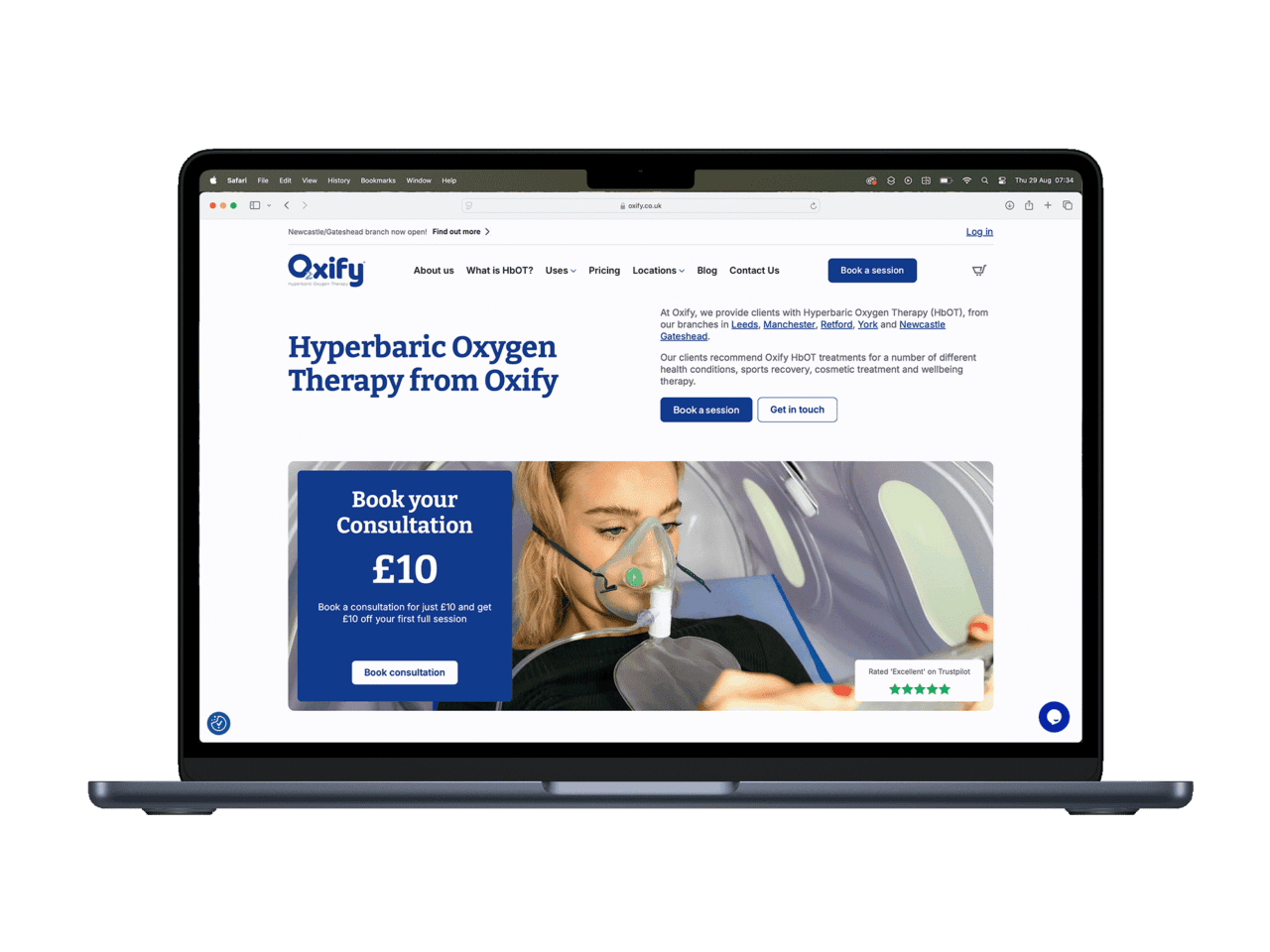
Oxify Hyperbaric Oxygen Therapy website on laptop screen.

Related Posts

Let's be friends.

Sign up to hear from us—no spam, just helpful web tips and updates.

Say hello!

hello@pixelish.co.uk +44 (0) 1302 315 156
4 Cavendish Court, Doncaster, DN1 2DJ