
No products in the basket.
Website Design Website Development Guide for 2026 Success
Master website design website development for 2026 with expert strategies…

The e-commerce landscape is shifting faster than ever, with innovation in design at the heart of this transformation. As online competition intensifies, the role of e commerce website designers has become pivotal for brands aiming to thrive in 2025. A strategic approach to design is now essential, directly impacting conversions and customer loyalty. Choosing the right partner can turn any online store into a true profit engine. In this article, we spotlight seven essential e commerce website designers poised to shape digital retail this year, each offering unique strengths to help your business stand out and succeed.
The expectations for e commerce website designers in 2025 are higher than ever. As the digital retail space matures, brands must deliver seamless, engaging, and secure shopping experiences to stay ahead. The following factors will define which designers stand out in the coming year.
Shoppers in 2025 expect more than just a functional site. They want fast, mobile-first browsing, intuitive navigation, and experiences tailored to their needs. Personalisation powered by AI is now standard, with 73% of buyers preferring brands that offer this level of relevance.
E commerce website designers must prioritise these demands, crafting platforms that anticipate user intent, remember preferences, and simplify the path to purchase. The brands that deliver these experiences will win customer loyalty and stand out in a crowded market.
A beautiful website is not enough. The real value of e commerce website designers lies in their ability to convert visitors into customers. UX and UI design are critical, as poor layouts or confusing journeys push shoppers away.
Brands that invest in design upgrades see results. For instance, companies adopting conversion-focused redesigns have reported up to 200% higher conversion rates. Data-driven decisions, such as optimising call-to-action placement, can make a measurable difference to sales.
Innovation sets the best e commerce website designers apart. In 2025, integration with AR, VR, voice search, and progressive web apps will be key to differentiating brands. AR try-on features, for example, are driving higher engagement for fashion retailers.
The right partner should offer solutions that blend creativity with technical expertise. Many Ecommerce website design services now include these advanced capabilities as standard, helping brands capture new audiences and deliver memorable shopping experiences.
Growth-focused businesses need e commerce website designers who can build for scale. Modular design systems and headless commerce architectures allow platforms to adapt as demands change.
A scalable approach means your site can handle traffic surges, expand product ranges, or add new brands without costly overhauls. In fact, 60% of fast-growing e-commerce companies now cite scalability as a top priority when selecting a design partner.
Trust is fundamental in online retail. E commerce website designers must implement secure payment gateways, ensure GDPR compliance, and prioritise accessibility for all users.
Neglecting these areas can lead to lost sales and reputational damage. Secure, compliant sites foster customer confidence and encourage repeat business. Shoppers are more likely to return to brands that safeguard their data and offer an inclusive experience.
E commerce website designers do more than build websites—they help brands communicate their unique values. Through creative storytelling, interactive elements, and micro-animations, designers create immersive journeys that resonate with shoppers.
A strong narrative, supported by visual and interactive cues, can set a brand apart. This approach not only attracts attention but also strengthens emotional connections, making customers more likely to return and recommend.
The launch of a new site is just the beginning. Top e commerce website designers provide ongoing support, leveraging analytics, A/B testing, and agile enhancements to drive continuous improvement.
Long-term partnerships ensure your site evolves alongside market trends and consumer behaviours. This proactive approach maximises ROI, minimises downtime, and keeps your business ahead of the competition.
Selecting the right e commerce website designers can be a deciding factor in whether your online store thrives or simply survives in 2025. The digital retail landscape is more competitive than ever, demanding not just functional platforms but visually engaging, conversion-led experiences. Below, we spotlight seven e commerce website designers who stand out for their expertise, innovation, and measurable impact on business growth.
Pixelish sets the bar for e commerce website designers in the UK, offering fully bespoke solutions for WordPress and WooCommerce. With pricing starting at £2,500 for custom WordPress sites and £4,500 for WooCommerce, Pixelish is known for transparent costs and rapid delivery, typically completing projects within four to six weeks.
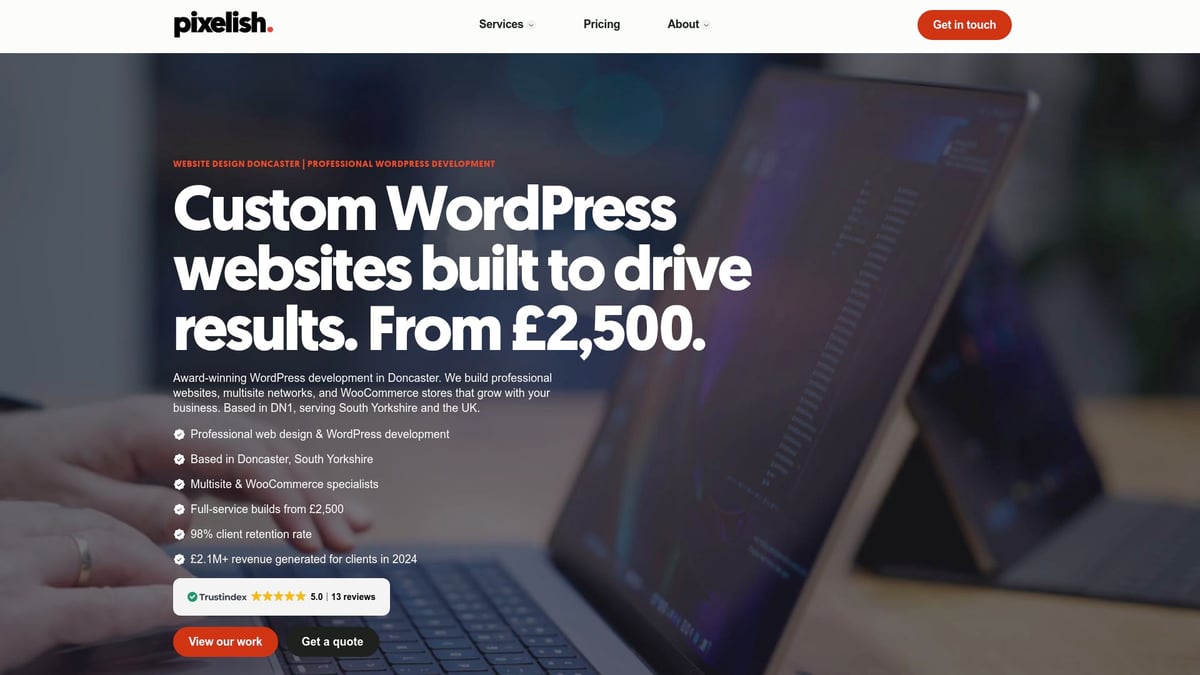
Key features include no-template, custom website builds, mobile responsiveness, and SEO-optimised architecture. Pixelish excels in multisite and e-commerce specialisation, supporting franchises and multi-location retailers with scalable, high-performance sites. Their sustainability commitment and award-winning team further enhance their reputation.
Benefits:
Unique selling points:
Ideal for:
Pros:
Cons:
For retailers prioritising scalability and flexibility, Pixelish’s custom eCommerce web development services ensure your platform grows with your business.
Reddico Digital stands out among e commerce website designers for its conversion-led approach and deep integration of SEO and digital marketing. Starting from £3,000 per project, Reddico focuses on custom Shopify and WooCommerce builds, combining design with data-driven CRO consultancy.
Core features:
Unique selling points:
Target audience:
Ideal use cases:
Pros:
Cons:
Reddico Digital’s focus on conversion and measurable results makes them a compelling choice for brands looking to boost revenue through strategic design.
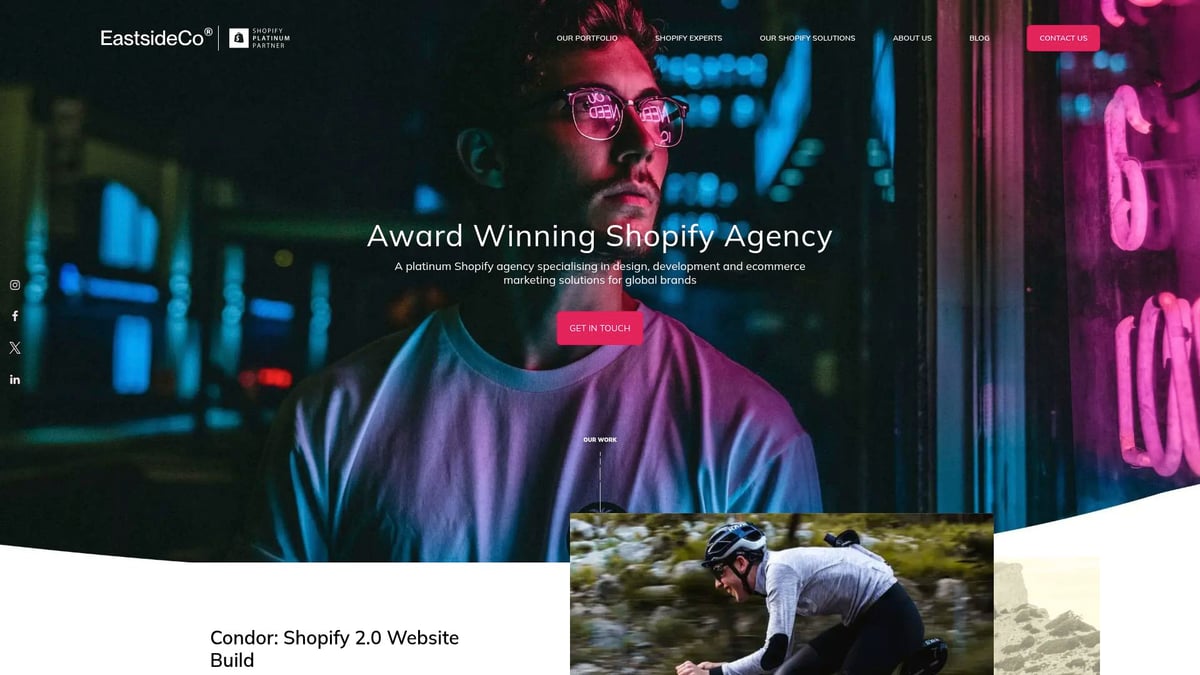
Eastside Co is a leading name in e commerce website designers, especially for brands building or scaling on Shopify. With builds starting from £10,000, Eastside Co is a certified Shopify Plus partner, delivering custom theme development, in-house app integration, and internationalisation support.
Key benefits:
Unique selling points:
Target audience:
Ideal use cases:
Pros:
Cons:
If your business prioritises Shopify and international scalability, Eastside Co’s blend of technical depth and creative design is hard to beat.
Wholegrain Digital is the go-to for brands seeking sustainability in their e commerce website designers. With custom projects from £5,000, Wholegrain Digital pioneers carbon-conscious web design, focusing on rapid load times, accessibility, and eco-friendly practices.
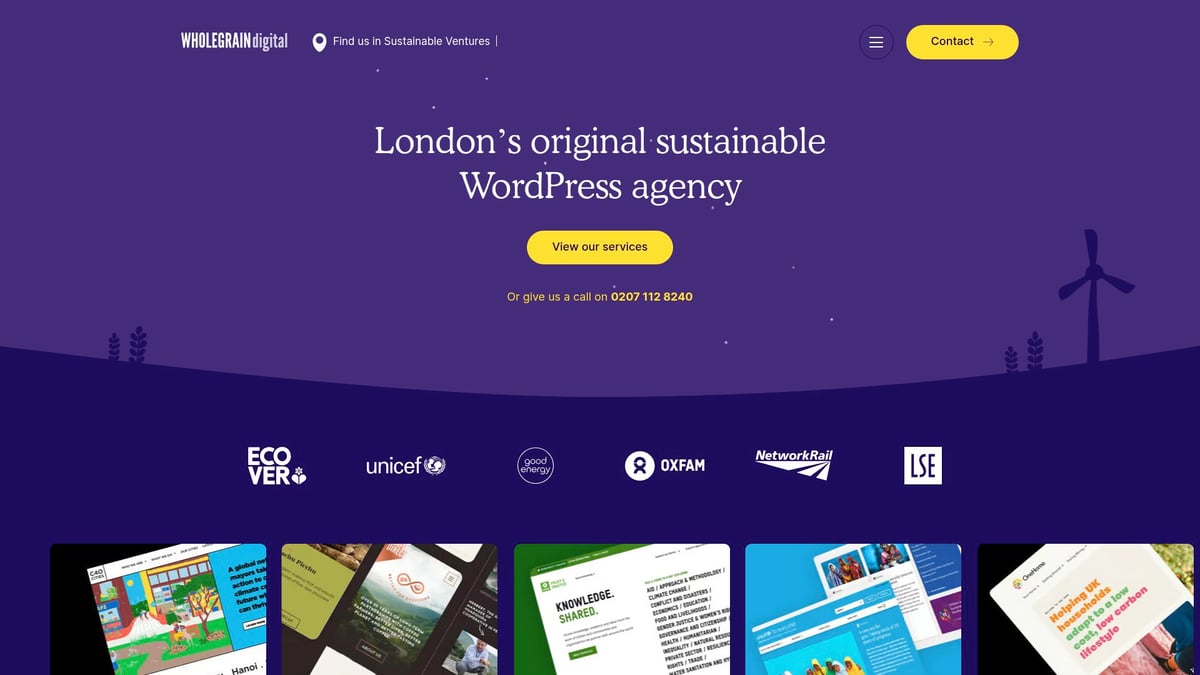
Core features:
Unique selling points:
Target audience:
Ideal use cases:
Pros:
Cons:
Wholegrain Digital’s expertise is ideal for businesses wanting to align their digital presence with ethical and environmental values.
MadeByShape is renowned among e commerce website designers for its creative, visually striking e-commerce builds. Pricing starts from £7,000, with a focus on bespoke Craft CMS solutions, branding, and UX/UI design.
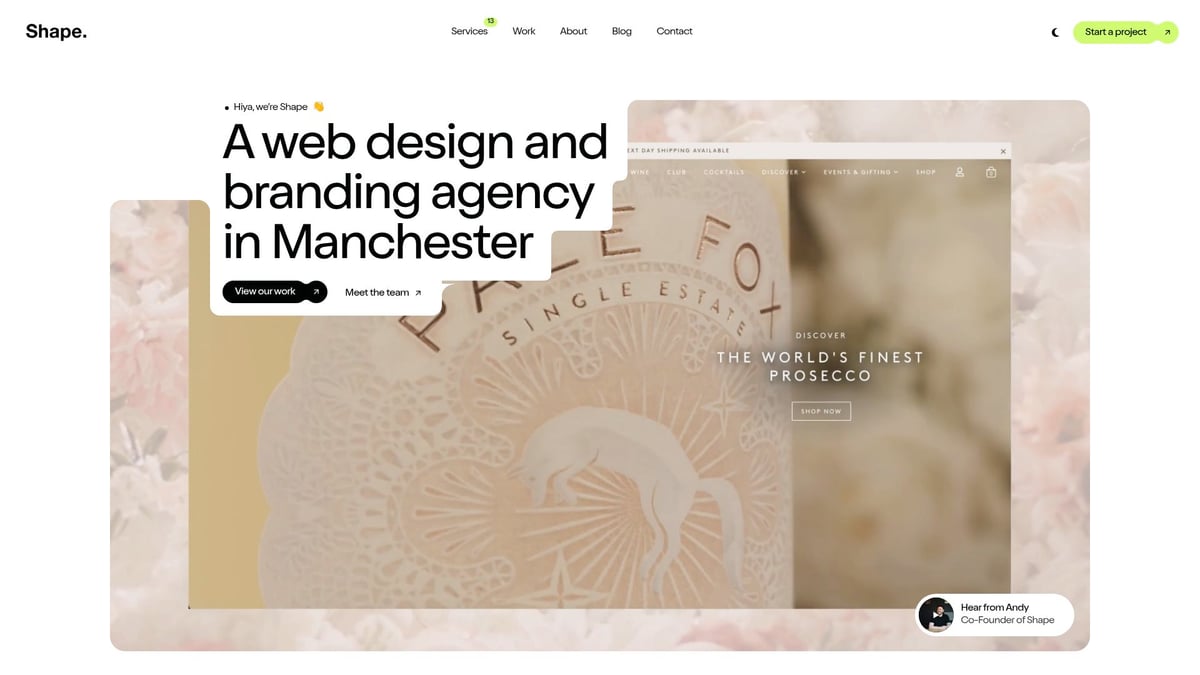
Key benefits:
Unique selling points:
Target audience:
Ideal use cases:
Pros:
Cons:
MadeByShape is perfect for businesses wanting their online store to be as memorable as their brand identity.
Absolute Design brings cross-platform expertise to e commerce website designers, offering Magento, Shopify, and WooCommerce solutions starting from £8,000. Their strength lies in handling large-scale, high-traffic stores and complex integrations.
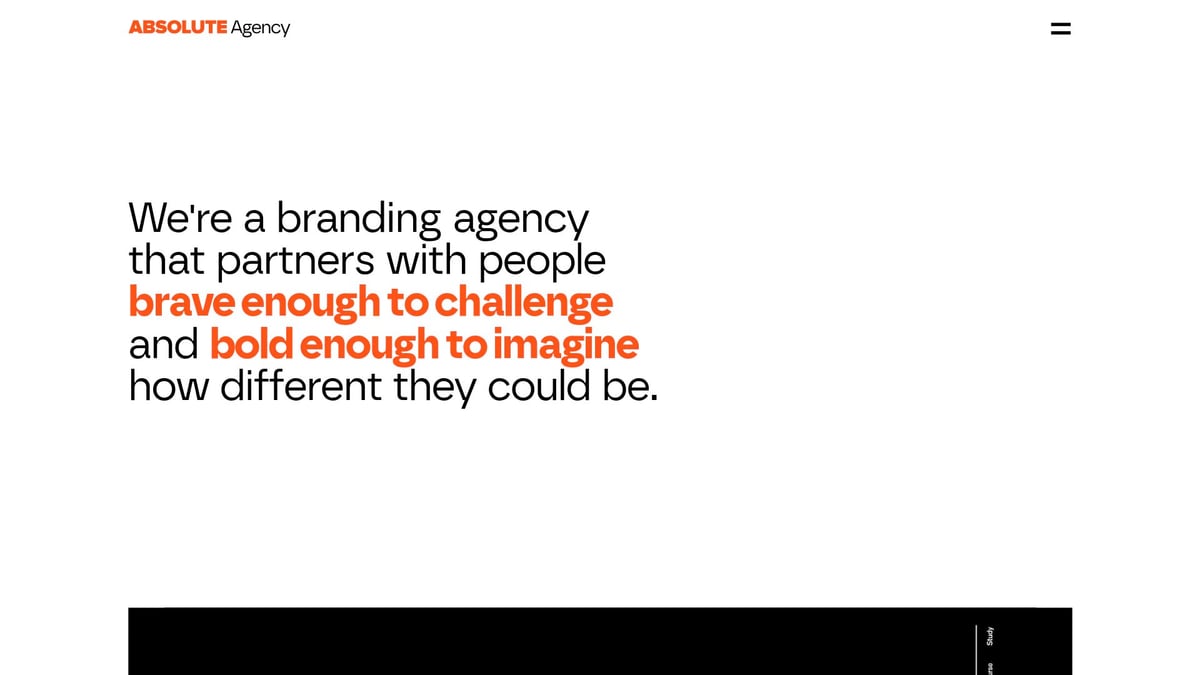
Core features:
Unique selling points:
Target audience:
Ideal use cases:
Pros:
Cons:
Absolute Design is ideal for brands needing robust, scalable, and technically advanced e-commerce solutions.
Propeller is an established force among e commerce website designers, delivering end-to-end projects from £10,000. Their team specialises in Shopify Plus and Magento, blending digital strategy, UX/UI, and marketing integration for unified growth.

Key benefits:
Unique selling points:
Target audience:
Ideal use cases:
Pros:
Cons:
Propeller’s expertise is perfect for e-commerce brands aiming for seamless design and marketing synergy.
Summary Table: Top 7 E Commerce Website Designers
| Designer | Platforms | Pricing (from) | Unique Strengths | Ideal For |
|---|---|---|---|---|
| Pixelish | WordPress, WooCommerce | £2,500 | Bespoke, multisite, sustainable | SMBs, franchises, UK retailers |
| Reddico Digital | Shopify, WooCommerce | £3,000 | CRO, SEO, holistic strategy | Growth-focused brands |
| Eastside Co | Shopify, Shopify Plus | £10,000 | Shopify Plus partner, apps | D2C, enterprise, global brands |
| Wholegrain Digital | WordPress, WooCommerce | £5,000 | Sustainability, performance | Ethical, eco-friendly brands |
| MadeByShape | Craft CMS | £7,000 | Creative, branding, CMS | Creative, premium retailers |
| Absolute Design | Magento, Shopify, WooCommerce | £8,000 | Multi-platform, enterprise | B2B, large-scale, multi-channel |
| Propeller | Shopify Plus, Magento | £10,000 | Full-service, marketing | Ambitious, lifestyle, luxury |
Choosing among these e commerce website designers means considering your business’s needs, tech stack, and growth ambitions. Each offers a unique blend of expertise and innovation, helping you stand out in a saturated online market.
Choosing among the many e commerce website designers can feel overwhelming, especially with the stakes so high in 2025. The right partnership can define your brand’s online success. Here is a step-by-step guide to help you make a confident, informed decision.
Start by mapping out the essentials for your online store. What features must your site have? Consider payment gateways, third-party integrations, and the scalability you may need as you grow. Align these requirements with e commerce website designers who understand your industry. For example, a fashion retailer might need advanced product filtering, while a B2B supplier could prioritise complex pricing structures. This clarity ensures your designer can deliver solutions tailored to your business vision.
Pricing is more than just the upfront cost. Evaluate whether e commerce website designers offer one-off projects, retainer-based models, or hybrid approaches. Transparent pricing helps you avoid hidden fees and surprises. When weighing options, remember that long-term value often outweighs initial savings. For a deeper understanding of the costs involved, see this How much does a website cost? guide. Investing wisely now can prevent regrets down the line.
A designer’s past work speaks volumes. Examine portfolios for recent, relevant projects that reflect your goals. Look for before-and-after examples, client testimonials, and measurable results. Top e commerce website designers often showcase client retention and repeat business, signalling a successful track record. Scrutinise case studies to see how challenges were solved and what tangible improvements were achieved. This approach helps you gauge both creativity and reliability before making your final choice.
Your technology stack shapes your store’s future. Decide whether Shopify, WooCommerce, Magento, Craft CMS, or a bespoke solution suits your business model. Each platform has unique strengths and limitations. For instance, Shopify is ideal for rapid launches, while WooCommerce offers flexibility for customisation. Leading e commerce website designers will recommend platforms that fit your scale, product range, and integration needs. Discuss these options early to avoid costly migrations later.
A successful launch is only the beginning. Prioritise e commerce website designers who provide ongoing support, maintenance, and optimisation. Ask about their approach to updates, bug fixes, and performance monitoring. Comprehensive support packages, including training and clear documentation, empower your team to manage the site confidently. This ongoing relationship ensures your website continues to evolve and perform, keeping pace with market changes and customer expectations.
Effective communication underpins every successful project. Choose e commerce website designers who are proactive with timelines, use modern project management tools, and provide regular updates. Transparency in process translates to fewer delays and a smoother experience. Agencies with clear workflows and open dialogue consistently deliver projects faster and with fewer surprises. Prioritising this clarity from the outset builds trust and sets the stage for a rewarding partnership.
The landscape for e commerce website designers is evolving quickly. In 2025, several trends are shaping how brands connect with customers and drive results. Let us explore the key shifts every business should watch.
AI is redefining what shoppers expect from online stores. Dynamic product recommendations, tailored content, and intelligent chatbots are becoming standard. These tools help e commerce website designers create experiences that feel unique for every visitor.
The integration of AI does more than offer personal touches. It boosts engagement and drives more sales, with personalisation increasing conversion rates by up to 15 percent in leading studies. For a deeper dive into how AI is transforming e-commerce, see this resource on AI-driven personalization in e-commerce.
Mobile commerce is no longer just an option, it is essential. Progressive Web Apps (PWAs) are leading the way, offering fast, app-like browsing and smooth navigation on any device. Mobile-first strategies ensure thumb-friendly layouts, quick loading times, and seamless one-click checkouts.
Optimising for mobile means fewer abandoned carts and happier customers. As expectations rise, e commerce website designers must prioritise intuitive experiences that work everywhere.
Sustainability is at the heart of modern e-commerce. Eco-friendly hosting, green design practices, and accessible interfaces are now expected by many consumers. Designers are choosing energy-efficient servers, optimised code, and ethical visuals to show their commitment.
Accessible design is crucial, ensuring that everyone can shop online with ease. For a closer look at these trends, explore the latest on sustainable web design practices. E commerce website designers who embrace both sustainability and inclusivity set brands apart in a crowded market.
Immersive experiences are transforming how customers interact with products. Augmented Reality (AR) and Virtual Reality (VR) allow shoppers to visualise items in their own space before buying. Micro-animations and interactive storytelling elements make browsing more engaging and memorable.
E commerce website designers are using these tools to reduce uncertainty and increase customer confidence. Brands that invest in interactive features often see longer session times and higher conversion rates.
Headless commerce is gaining momentum. This approach decouples the front-end and back-end, giving designers greater flexibility to create unique experiences. API-first systems support rapid scaling and seamless omnichannel selling, from websites to apps and in-store tech.
For e commerce website designers, headless solutions enable faster updates and more tailored interfaces. Businesses benefit from agility and the freedom to innovate as trends shift.
Trust is non-negotiable in e-commerce. Secure payment gateways, strict GDPR compliance, and accessible design standards protect both businesses and shoppers. E commerce website designers must prioritise robust data protection and transparent privacy practices.
Regular updates, encrypted transactions, and clear consent forms build long-term loyalty. In 2025, brands that invest in security and compliance will stand out for their professionalism and reliability.
Choosing the right e commerce website designers can transform an ordinary online shop into a thriving digital destination. Every aspect of your website, from visuals to user experience, shapes how customers perceive and interact with your brand. A great designer does not just make your store look good, but actively drives results that impact your bottom line.
First impressions matter. Professional e commerce website designers create cohesive, visually appealing sites that instantly build credibility. According to Stanford, 75% of consumers judge a business’s trustworthiness by its website. A well-crafted site communicates reliability, attention to detail, and commitment to customer experience. Interactive elements, consistent branding, and clear messaging reassure visitors, encouraging them to explore and ultimately purchase.
A designer’s impact goes beyond aesthetics. Conversion-focused e commerce website designers use data-driven strategies to streamline navigation, highlight calls to action, and remove friction at checkout. Case studies show that UX improvements can double conversion rates. Integrating website design and SEO integration ensures your site is discoverable and drives qualified traffic, maximising sales opportunities. The right design decisions create a seamless path from discovery to purchase.
The digital landscape is always evolving. Great e commerce website designers build scalable platforms that can handle new product lines, traffic surges, and emerging technologies. Features like mobile optimisation, modular design systems, and adaptability keep your store ahead of trends. This flexibility ensures your business is ready for future growth, protecting your investment and reputation as customer expectations shift.
A memorable, user-friendly experience keeps shoppers coming back. E commerce website designers focus on intuitive layouts, fast load times, and personalisation features that make each visit enjoyable. Loyalty programmes and tailored content encourage repeat business, while thoughtful design elements foster an emotional connection. Happy customers are more likely to advocate for your brand and return for future purchases.
Reliable, secure websites reduce the burden on your team. E commerce website designers implement robust platforms that are easy to manage, integrate with essential tools, and support smooth day-to-day operations. Ongoing support, regular updates, and proactive maintenance free up resources, allowing you to focus on growth rather than troubleshooting technical issues. Clear documentation and training further empower your staff.
In a competitive environment, unique design is a powerful differentiator. E commerce website designers use innovative features like interactive storytelling, micro animations, and even augmented reality in online shopping to create memorable experiences. Brands that embrace distinctive, user-centric design enjoy higher brand recall and loyalty. A standout website not only attracts attention but also converts visitors into lifelong customers.
As you look ahead to 2025 and consider the ever-evolving world of e commerce, choosing the right website designer could make all the difference for your business. A great designer does more than create a good looking site—they craft seamless experiences that build trust, drive conversions, and position your brand for growth. If you’re ready to put your business in expert hands and want a bespoke solution that truly converts, we’re here to help you explore your options. Let’s discuss how we can bring your vision to life—Get in touch.


© Copyright 2025, All Rights Reserved by Pixelish