
No products in the basket.
Website Design Website Development Guide for 2026 Success
Master website design website development for 2026 with expert strategies…

Confused by the wide range of pricing for web design in 2026? You are not alone. Many businesses feel frustrated and uncertain when trying to budget for a new website, especially as prices and expectations keep evolving.
Web design quality and cost have a direct impact on your business growth and online reputation. Making the right investment is more important than ever, but with so many models and options, it is easy to feel lost.
This essential guide brings clarity. We will break down the latest pricing models, reveal what drives costs, and show you how to secure the best return on your investment. Use this guide to make confident, informed choices about your next website project.
You will discover everything you need to know about pricing for web design in 2026. We will cover pricing models, cost breakdowns, value versus budget, how to choose the right provider, and expert tips to maximise your investment.
Navigating the landscape of pricing for web design in 2026 can feel overwhelming, given the evolving models and options now available. As businesses demand more value and flexibility, understanding how agencies price their services is critical to making informed decisions and maximising your investment.
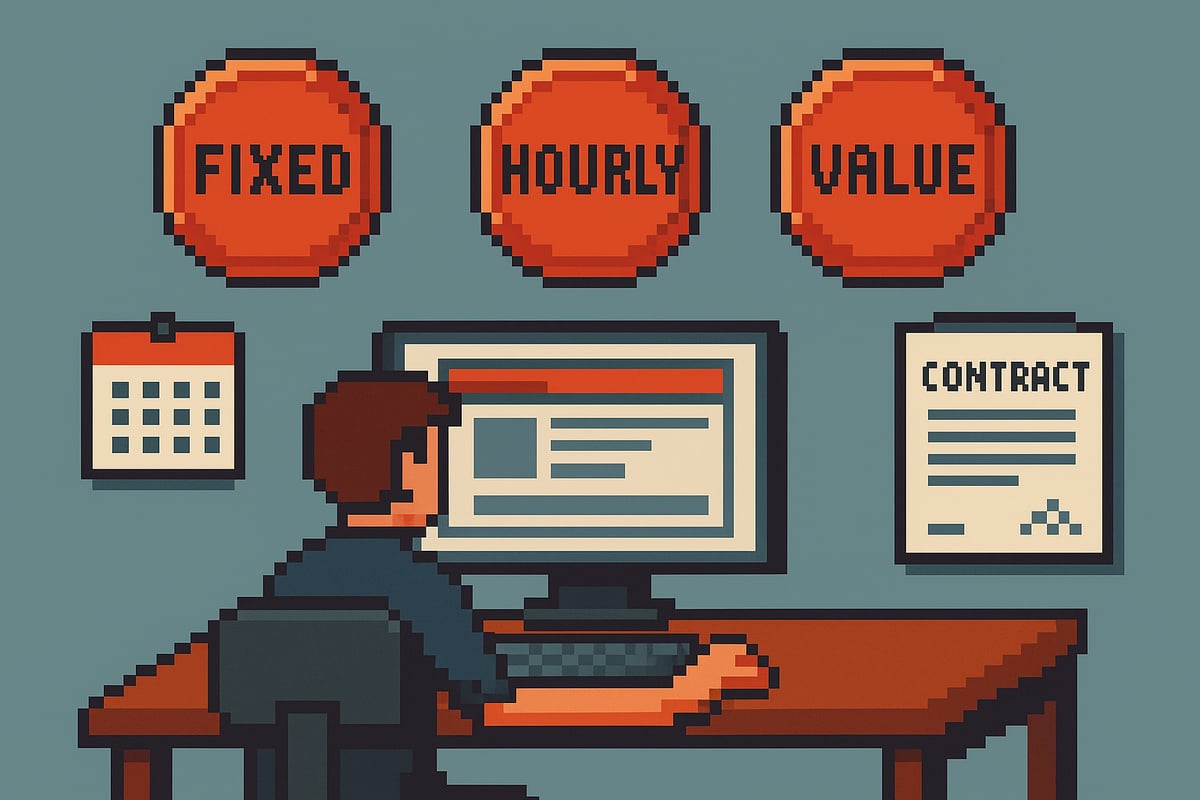
In 2026, the three main approaches to pricing for web design are fixed price, hourly rate, and value-based models. Each method suits different project types and client needs.
A fixed price model offers a set fee for a defined scope of work. This approach provides predictability, making budgeting straightforward for small businesses or projects with clear requirements. However, changes in scope can lead to renegotiations or additional fees.
An hourly rate charges for the actual time spent on the project. This model is flexible, especially for evolving requirements or ongoing work, but can make total costs harder to predict. It suits businesses seeking bespoke functionality or regular updates.
Value-based pricing is gaining significant traction in 2026. Here, agencies price projects based on the value delivered to the client, not just time or outputs. For example, a complex e-commerce platform that drives significant revenue may be priced higher than a standard brochure site, even if build times are similar. According to Clutch.co, 56% of agencies now offer value-based pricing, reflecting a major shift towards ROI-driven partnerships.
| Pricing Model | Best For | Pros | Cons |
|---|---|---|---|
| Fixed Price | Simple, defined scope | Predictable, easy to budget | Less flexible, scope limits |
| Hourly Rate | Ongoing, flexible | Adaptable, transparent | Harder to estimate total cost |
| Value-Based | High-value, complex | ROI-focused, scalable | Requires trust, complex setup |
Your choice of pricing for web design impacts project scope, timeline, and deliverables. Contracts in 2026 commonly include milestones, staged payments, and clear definitions to avoid misunderstandings. For an in-depth look at how packages and pricing compare, see the website packages and pricing page for real-world examples.
The rise of subscription and retainer models is transforming pricing for web design in 2026. Many agencies now offer monthly packages that bundle essential services, including hosting, maintenance, and continuous updates.
A typical subscription might include:
E-commerce businesses often choose retainer arrangements to ensure their sites remain optimised, secure, and up-to-date. This model supports ongoing growth and adaptability, making it a popular choice for brands with evolving needs.
Pros of subscriptions: Predictable monthly costs, proactive support, and peace of mind.
Cons: Long-term commitments and potential for higher total costs if you need only minimal updates.
In 2026, average monthly costs for retainers range from £50 for basic maintenance to £500+ for comprehensive support and optimisation. Compared to traditional one-off projects, subscription models align agency incentives with your long-term success, ensuring your investment in pricing for web design continues to deliver value over time.
Whether you choose fixed, value-based, or subscription pricing for web design, understanding these models empowers you to select the best fit for your business goals and budget.
Understanding the factors that contribute to pricing for web design is essential for making informed decisions in 2026. Costs can vary dramatically, depending on the scope, complexity, and long-term needs of your business. By breaking down the main elements that influence your investment, you can budget more effectively and achieve the best possible results.

The complexity of your website is a primary driver of pricing for web design. A simple brochure site with five pages and basic contact forms will cost significantly less than a custom e-commerce platform with product catalogues, booking systems, or advanced integrations.
Consider the following features that add to project complexity:
For example, a standard brochure site may require minimal development time, whereas a multi-vendor e-commerce platform demands substantial planning and technical expertise. The more features and pages you need, the higher the pricing for web design is likely to be.
The approach you take to design also has a direct impact on pricing for web design. Bespoke, tailor-made designs require more collaboration, prototyping, and revision cycles compared to template-based solutions, which are quicker and more affordable.
Mobile responsiveness and accessibility are non-negotiable in 2026. With the majority of users browsing on mobile devices and regulations tightening around digital accessibility, investing in inclusive and responsive design is crucial. Recent data highlights that 72% of users say user experience influences their purchasing decisions. For more on how UX affects conversion rates, see Impact of UX Design on User Retention and Conversion Rates.
Design choices not only affect upfront costs but also determine long-term value and user satisfaction.
High-quality content is a cornerstone of effective web design, influencing both user engagement and search rankings. Pricing for web design often includes professional copywriting, custom imagery, and video production. Sites that invest in these elements tend to perform better and create a stronger brand impression.
SEO set-up and ongoing optimisation are now standard inclusions in most web projects. Comprehensive keyword research, metadata configuration, and on-page SEO help ensure your site is discoverable and competitive. For a deeper dive into how design and SEO work hand-in-hand, visit Web design and SEO.
Sites that prioritise content and SEO from the outset consistently outperform competitors, making these investments a wise choice when considering pricing for web design.
The technology stack you choose will significantly affect pricing for web design. Popular platforms include:
| Platform | Typical Cost Range | Maintenance Level | Scalability |
|---|---|---|---|
| WordPress | £2,000–£10,000 | Moderate | High |
| Custom CMS | £5,000–£20,000+ | Higher | Very High |
| Proprietary | £3,500–£15,000 | Variable | Dependent |
WordPress remains popular for its flexibility and cost-effectiveness, while custom CMS solutions offer greater control but at a premium. Proprietary platforms may include licensing fees and limited scalability, impacting both upfront and future costs.
When choosing a platform, consider not just initial build but also maintenance, updates, and future growth. Selecting the right technology can save substantial money over time, making it a key consideration in pricing for web design.
Where your web design team is based and their level of expertise also play a role in pricing for web design. UK agencies tend to charge more than overseas providers, but they often deliver higher quality, local support, and better compliance with regulations.
Freelancers may offer lower rates, but agencies typically provide a broader skill set and more robust project management. Specialist agencies with a strong track record in your sector can command premium fees, but often deliver superior ROI.
According to recent statistics, UK agencies charge an average of £3,500–£10,000 per website in 2026. Assess the value on offer, not just the headline price, to make the best decision for your business.
Once your website launches, ongoing support ensures it remains secure, up-to-date, and performing at its best. Pricing for web design often includes care plans covering backups, security updates, performance monitoring, and analytics.
Typical monthly costs for support and maintenance in 2026 range from £40 for basic packages to £500 for enterprise-level service. Investing in proactive support can prevent costly downtime and protect your digital assets.
Choosing the right support plan is essential for maximising the lifespan and effectiveness of your website, making it a vital part of overall pricing for web design.
Understanding typical pricing for web design in 2026 is essential for making informed decisions and setting realistic budgets. Whether you are a small business owner or managing digital projects for a large enterprise, knowing what to expect helps you avoid surprises and maximise your investment.
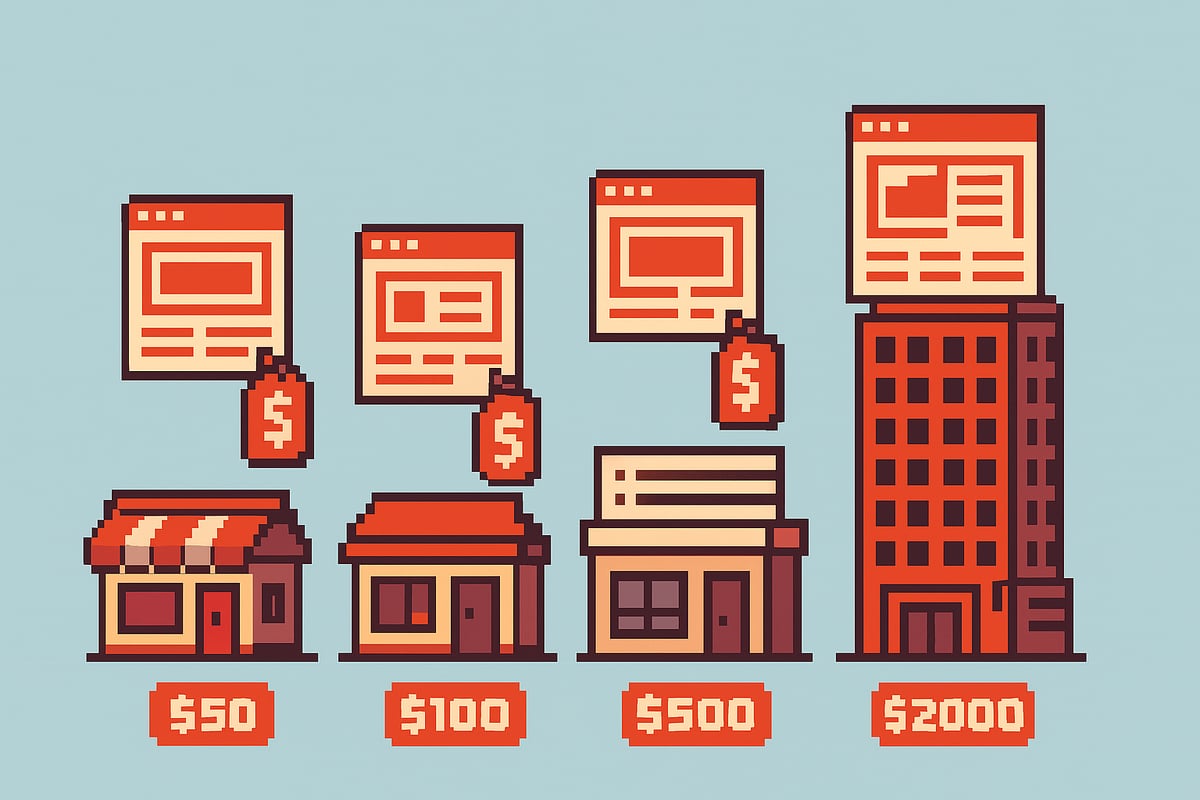
For small businesses, pricing for web design typically ranges from £2,000 to £5,000 in 2026. This range covers up to 10 pages, basic SEO set-up, contact forms, and mobile responsiveness. Packages often include initial consultation, template customisation, and essential integrations.
Typical inclusions:
Many leading UK agencies, such as those highlighted in Web design Doncaster pricing, offer transparent packages tailored for local businesses. Choosing the right provider ensures you get the features you need without overpaying for unnecessary extras.
When it comes to e-commerce or advanced business sites, pricing for web design starts around £5,000 and can exceed £20,000 for more complex functionality. These projects require robust platforms, secure payment integrations, and scalable product catalogues.
Key features:
Platforms like WooCommerce and Shopify are popular choices, offering flexibility and scalability. The investment reflects the need for seamless user experience, custom features, and regular updates to stay competitive in the online retail space.
Larger enterprises and multisite projects see pricing for web design ranging from £15,000 to £50,000 or more. These budgets accommodate multilingual capabilities, multi-location support, and bespoke integrations with internal systems.
Scope and considerations:
Higher costs are driven by project complexity, the need for custom development, and extensive collaboration with internal teams. These websites are designed to be future-proof, supporting growth and ongoing digital transformation.
Ongoing support is a critical part of pricing for web design in 2026. Monthly care plans range from £40 to £500, depending on the level of service and responsiveness required.
Typical inclusions:
Investing in a suitable support plan minimises downtime and ensures your site stays secure and up to date. This ongoing commitment helps protect your initial investment and supports long-term business growth.
Understanding the return on investment is essential when navigating pricing for web design. Many businesses focus solely on cost, yet the true value of a website lies in its ability to deliver measurable results. In 2026, a strategic approach to pricing for web design can make the difference between a site that drives growth and one that hinders progress.
When considering pricing for web design, it is tempting to opt for the lowest quote. However, cheap web design often results in hidden costs, such as poor user experience, limited scalability, and frequent fixes. These issues can lead to lost sales, diminished brand reputation, and the need for costly redesigns.
| Aspect | Cheap Web Design | Quality Web Design |
|---|---|---|
| Initial Cost | Low | Higher |
| Ongoing Expenses | High (fixes, updates) | Lower (built-in) |
| Conversion Rates | Poor | Strong |
| Brand Perception | Negative | Positive |
| Long-Term ROI | Low | High |
According to HubSpot, businesses that invest in professional design see conversion rates rise by 34 percent. This highlights how pricing for web design directly impacts business outcomes.
Investing in quality web design is not just about immediate results. Pricing for web design should reflect the long-term advantages of scalability and future-proofing. A well-built site allows your business to add features, integrate new tools, and adapt to market changes without major overhauls.
For example, companies that choose scalable platforms often save thousands by avoiding frequent redesigns. When assessing pricing for web design, consider whether your site can grow with your business and technology trends.
To truly gauge the effectiveness of your investment, focus on clear metrics. Key indicators include increases in website traffic, lead generation, and revenue. Analytics tools like Google Analytics and Hotjar offer benchmarks for tracking these metrics over time.
Industry research, such as the Small Business Web Design Research Report 2025, demonstrates that strategic investment in web design leads to improved user engagement and higher sales. When reviewing pricing for web design, ensure your provider can help you set up and monitor these ROI metrics.
Consider a UK retailer that upgraded from a budget website to a bespoke solution in 2025. After investing in higher pricing for web design, the company saw traffic double within six months. Lead conversions rose by 28 percent, and the brand’s online reputation improved significantly.
This case illustrates that thoughtful investment in pricing for web design can deliver substantial financial returns and set your business apart in a competitive market.
Selecting the right partner for your project is a pivotal step in achieving the best value from pricing for web design. With so many choices on the market, it can be challenging to know where to start. The following steps will help you navigate the process and secure the results your business deserves.
Start by clearly outlining your objectives before engaging providers. What do you want your website to achieve? For example, generating leads, increasing sales, or building brand authority. Set measurable goals and agree on your priorities internally.
Next, define your budget range. Transparent communication about your budget helps ensure realistic proposals and avoids surprises later. When discussing pricing for web design, remember that clarity on deliverables and outcomes leads to more accurate quotes.
A simple project brief should include:
The choice between agencies, freelancers, or in-house teams influences both the experience and the final cost. Agencies generally offer a wider skill set, structured processes, and ongoing support, while freelancers may provide flexibility and lower upfront costs.
| Provider Type | Pros | Cons |
|---|---|---|
| Agency | Full-service, reliability, scalability | Higher costs, less personal |
| Freelancer | Flexible, cost-effective, direct contact | Limited scope, availability risks |
When considering pricing for web design, weigh these factors against your project’s complexity and support needs. Industry data, such as those found in Web Design Statistics 2025: Speed, Accessibility & Color Trends, show that high-performing sites often result from teams with diverse expertise.
Pixelish stands out as a top choice for SMEs and multi-location businesses seeking bespoke WordPress and e-commerce solutions. Their transparent pricing for web design starts at £2,500 for custom websites and £4,500 for WooCommerce builds.
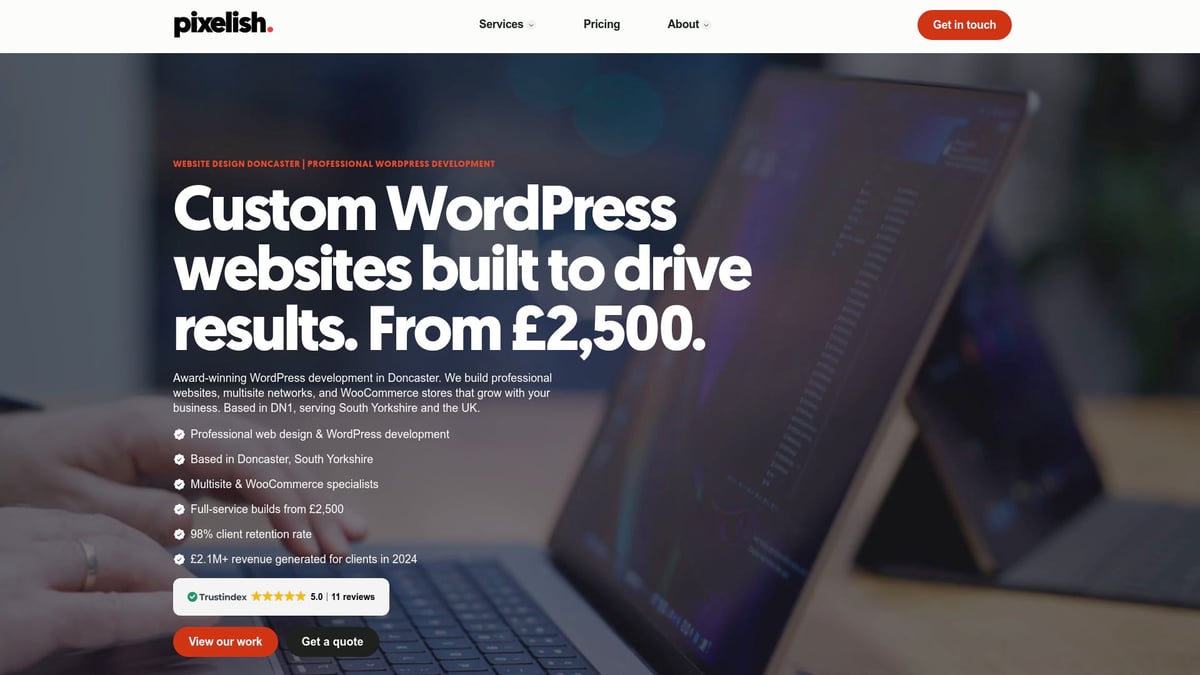
Key features include:
Pixelish prioritises scalable, future-proof solutions aligned with best practices and the latest findings on High-Performing Websites in 2026: Key Findings. This ensures your investment delivers measurable business outcomes.
Vetting your provider is crucial. Prepare a list of questions to evaluate their suitability and approach to pricing for web design:
Be alert to red flags such as vague answers, unclear pricing, or lack of transparency.
A professional proposal should outline project scope, timeline, deliverables, and detailed pricing for web design. Review the contract for key terms, including:
Take time to clarify any uncertainties before signing. A robust contract protects both parties and sets expectations for a successful collaboration.
Ultimately, choosing the right provider ensures your investment in pricing for web design delivers sustainable growth, reliable performance, and a website tailored to your goals.
Optimising your spend on web design is crucial in 2026, especially as pricing for web design continues to fluctuate. By taking a structured approach, you can ensure every pound delivers measurable results and secures your digital future.
Start by connecting your website goals directly to your business strategy. For effective pricing for web design, clarity is essential from the outset.
Define the main purpose of your website. Is it to generate leads, boost sales, or elevate your brand? Set specific KPIs, such as increasing traffic by 20% or doubling online enquiries within a year. Clear objectives help you compare providers and proposals accurately, ensuring you get the best value for your investment.
A comprehensive project brief also allows for more precise budgeting. This reduces scope creep and unexpected costs, both of which can negatively impact your ROI.
User experience (UX) is a core driver of value in pricing for web design. A well-structured, intuitive site keeps visitors engaged and encourages conversions.
In 2026, accessibility is not optional. Ensure your website complies with the latest standards, making it usable for everyone. This includes proper contrast ratios, keyboard navigation, and alt text for images. An inclusive site reflects positively on your brand and avoids legal risks.
Investing in UX and accessibility at the design stage saves money long-term. It reduces the need for costly fixes and supports wider audience reach.
Content and SEO play a significant role in pricing for web design. High-quality copy, professional imagery, and video assets enhance credibility and engagement.
SEO optimisation is not just a launch requirement. Plan for ongoing updates to maintain rankings and adapt to algorithm changes. Allocate budget for keyword research, on-page optimisation, and regular performance reviews.
Sites with integrated SEO consistently outperform competitors. Investing here ensures your site attracts and converts the right audience, amplifying your ROI.
Scalability should be central to your pricing for web design strategy. Choose platforms that support your long-term business vision, allowing you to expand features or add e-commerce as needed.
Think beyond the initial launch. Will your business require multilingual support, advanced integrations, or a future redesign? Understanding potential cost for website redesign helps in planning for growth and budgeting accurately.
Building a future-proof site avoids expensive overhauls and supports evolving business needs, ensuring your investment delivers returns for years.
Ongoing support is a key component in the overall pricing for web design. Post-launch, your website will require regular updates, security checks, and backups to stay effective.
Choose a support plan that aligns with your business's complexity and traffic levels. Proactive maintenance prevents downtime, protects data, and ensures compliance with changing regulations.
Dedicated support can also assist with analytics, user feedback, and feature enhancements, maximising your site's performance and lifespan.
Continuous improvement is essential to maximise pricing for web design. Use analytics tools to track user behaviour, conversion rates, and traffic sources.
Regularly review this data against your KPIs. Identify areas for optimisation, such as improving page speed or refining calls to action. Small, incremental changes can lead to significant gains in engagement and revenue.
Iteration ensures your website remains competitive and aligned with business goals.
Staying current with 2026's latest design and technology trends is vital in pricing for web design. Monitor industry updates, new compliance requirements, and emerging user preferences.
Investing in ongoing learning and site enhancements keeps your business ahead of competitors. Consider regular design refreshes or feature upgrades to maintain a modern, trustworthy online presence.
This proactive approach helps sustain long-term growth and relevance.
Recent data shows that businesses following these steps achieve a stronger ROI and greater satisfaction from their web design investment.
Now that you have a clearer understanding of how web design pricing works in 2026 and the real value behind every pound you invest, it’s time to take the next step with confidence. If you’re ready to discuss your website goals or want tailored advice for your business, we’re here to help you navigate your options and maximise your return. Whether you need a simple brochure site, a robust e commerce platform, or ongoing support, you deserve solutions that genuinely drive results.
Get in touch
Let’s explore how your business can grow with the right digital partner.

© Copyright 2025, All Rights Reserved by Pixelish