
No products in the basket.
Website Design Website Development Guide for 2026 Success
Master website design website development for 2026 with expert strategies…

In 2026, the digital landscape is more competitive than ever. A website redesign could be the pivotal move that sets your business apart and drives results.
Understanding the real cost for website redesign is essential for any UK business aiming to thrive. This guide will demystify the costs, reveal hidden expenses, and help you plan with confidence.
We will break down every factor affecting your investment, compare different approaches, and share practical budgeting tips. If you want a modern, high-converting website without costly surprises, you are in the right place.
Ready to unlock the secrets to a successful website redesign? Let’s get started.
A website redesign is a strategic move that can dramatically improve your business’s online presence. However, understanding what is truly involved—and how it influences the cost for website redesign—is crucial for making informed decisions.

Not every website update is a full redesign. A refresh might involve updating colours, fonts, or images to modernise your look, while a full redesign rethinks structure, features, and technology.
A redesign is appropriate when your business needs to overhaul its identity, add major features, or fix deep technical issues. In contrast, a refresh suits minor brand updates or seasonal campaigns. The cost for website redesign is typically higher than a refresh, as it involves more planning, design, and development time.
| Aspect | Refresh | Redesign |
|---|---|---|
| Scope | Visual tweaks | Structural/functional overhaul |
| Timeline | Days to weeks | Weeks to months |
| Cost Impact | Lower | Higher |
| Example | New images, minor CSS | New layout, CMS, UX overhaul |
Every successful redesign focuses on several essential elements. User experience (UX) and interface (UI) improvements ensure visitors can navigate with ease. Mobile responsiveness and accessibility updates allow your site to perform well for all users and devices.
Content restructuring and SEO optimisation boost your search rankings and engagement. Integration of new functionalities—such as e-commerce, chatbots, or booking systems—can open new revenue streams. Finally, backend upgrades to your CMS, security, and performance are vital. Each of these impacts the overall cost for website redesign, depending on your business’s needs.
What prompts a business to invest in a redesign in 2026? Often, outdated branding or obsolete technology signals it is time for change. Declining traffic or poor conversion rates may reveal user experience issues.
Other triggers include the need to address security vulnerabilities, comply with new regulations, or support business growth. Industry trends, such as AI-driven personalisation or advanced automation, also play a role in motivating a redesign.
A successful redesign needs the right people involved at every stage. Internally, marketing, IT, and leadership teams all play key roles in shaping vision and requirements. Externally, agencies, freelancers, and consultants bring expertise and fresh perspective.
Clear roles and communication ensure your project stays on track and within budget. Failing to define responsibilities can drive up the cost for website redesign through delays or scope creep. Effective collaboration is essential for a smooth process.
Every website redesign follows a structured lifecycle. It starts with discovery and planning, where goals, scope, and budgets are set. The design and prototyping phase brings ideas to life visually, followed by development and rigorous testing.
Launch marks the transition to your new site, but post-launch support is just as important for long-term success. For a detailed breakdown of each step and how it affects the cost for website redesign, see the Website redesign process explained.
Each phase requires careful coordination and review to ensure the final result meets your expectations and delivers measurable value.
Understanding the true cost for website redesign means looking beyond surface-level estimates. Every website overhaul is unique, shaped by design ambitions, technical needs, and the scale of your business. Let’s break down the major expense categories so you can plan and invest wisely.
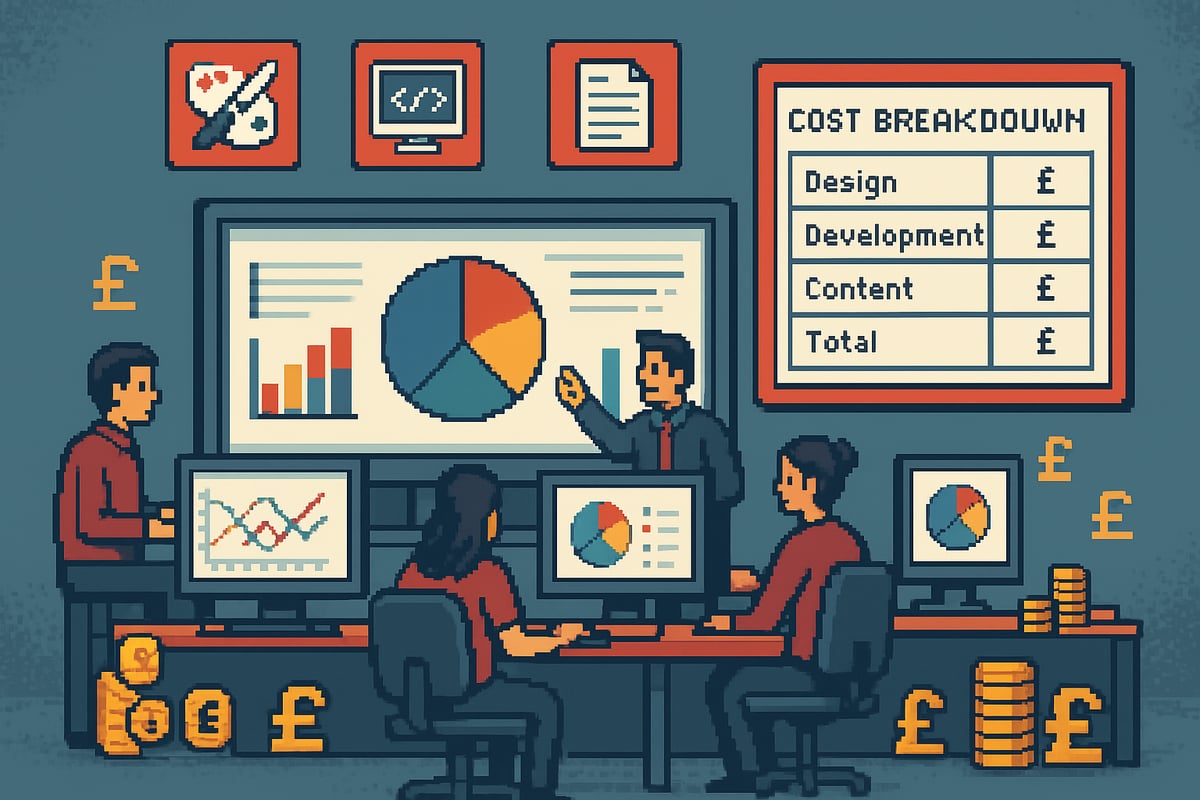
A significant portion of the cost for website redesign is driven by the design phase. Businesses must decide between custom design—tailored to brand and audience—or more affordable template-based solutions.
Custom designs offer unique branding and advanced user experience (UX), but they require more time and expertise, increasing costs. Template designs reduce both cost and timeline, making them suitable for simpler projects.
UX research, wireframing, and prototyping are vital for modern sites. These steps ensure the design resonates with your target users and supports conversion goals. Accessibility compliance, now a legal requirement, also factors into the cost for website redesign, especially if you need to meet WCAG standards or serve a diverse UK audience.
Development is where your vision becomes reality. The cost for website redesign here depends on your chosen content management system (CMS)—whether WordPress, a custom build, or a proprietary platform.
Frontend and backend development hours can vary widely. More complex features, such as dynamic content, member areas, or advanced search, require specialist skills and extra time. Mobile optimisation and cross-browser testing are essential for reaching UK consumers on any device.
Security upgrades and GDPR compliance are not optional. Allocating budget for SSL certificates, encrypted data storage, and regular audits is essential. Each of these technical requirements adds to the cost for website redesign but protects your business in the long run.
Content is often underestimated in the overall cost for website redesign. Professional copywriting, high-quality imagery, and engaging video production breathe life into your site but come with their own price tags.
Migrating content from an old platform can be complex—especially if your current site is outdated or poorly structured. Manual migration takes more time and increases the risk of data loss, while automated tools may need customisation.
SEO audits and on-page optimisation are crucial to retain or improve search rankings after a redesign. Factoring these into your cost for website redesign helps prevent costly traffic drops and ensures your investment pays off.
Modern websites rarely stand alone. Integrating third-party tools can add considerable value, but each integration affects the overall cost for website redesign.
Common integrations include:
Licensing fees, setup, and ongoing support for these features must be included in your budget. The more customisation you need, the higher the cost for website redesign will climb.
Your investment does not end at launch. Ongoing maintenance is a recurring element in the cost for website redesign.
Key maintenance expenses include:
Some agencies offer care plans or managed services, while others operate on a pay-as-you-go model. Planning for these costs upfront ensures your website remains secure, fast, and competitive.
Effective project management keeps your website redesign on track and within budget. It is common for project management and consultancy fees to make up 10–20% of the total cost for website redesign.
Choosing between an agency, freelancer, or in-house team will impact these costs. Agencies typically bundle project management into their pricing, offering streamlined communication and clear milestones. Freelancers may require more input from your team, potentially increasing internal time commitments.
Communication cycles, feedback rounds, and revisions all influence the final budget. Clear expectations help avoid costly overruns.
To illustrate how these elements add up, here is a sample cost breakdown for a typical UK SME in 2026:
| Item | Cost Estimate |
|---|---|
| Design & UX | £1,000 – £2,000 |
| Development & Technical | £1,200 – £2,500 |
| Content Creation & Migration | £500 – £1,200 |
| Integrations & Features | £400 – £1,000 |
| Maintenance & Support | £300 – £800/year |
| Project Management | £400 – £800 |
| Total | £3,800 – £8,300 |
For a more detailed look at how these numbers shift by project type, see the Website packages and pricing breakdown, which offers transparent, up-to-date figures for UK businesses.
Understanding each cost for website redesign category empowers you to set a realistic budget and avoid unwelcome surprises.
Selecting the best approach for your website redesign is a pivotal decision. The right choice can directly affect the cost for website redesign, project outcomes, and your business’s digital future.
Managing your website redesign internally offers hands-on control and potential savings. If you have in-house design or technical talent, you can keep the cost for website redesign low. This option works best for micro-businesses or straightforward sites.
However, DIY projects often face knowledge gaps, which can lead to technical debt or missed opportunities in user experience. The process is usually time-consuming and may divert your team from core business activities.
Careful planning and honest assessment of internal resources are crucial before taking this route.
Bringing freelancers on board can be a flexible and cost-effective way to tackle the cost for website redesign. Freelancers often specialise in areas like UX, development, or SEO, letting you tap into specific expertise for your project.
On the upside, freelance rates are typically lower than agency fees. However, managing multiple freelancers can create challenges around communication, timelines, and consistency. Reliability can also be a risk, especially for larger or more complex redesigns.
For small to medium projects, or when you need niche skills, freelancers can be a smart choice. Always check portfolios and reviews before hiring.
Agencies provide a full-service solution, managing every stage of your website’s transformation. This comprehensive approach can streamline the cost for website redesign by reducing risks and ensuring professional results.
Agencies bring established processes, diverse teams, and scalability, making them ideal for complex or high-stakes projects. The main trade-off is a higher upfront investment compared to DIY or freelancers. For a detailed look at localised pricing, see How much does a website cost?.
Expect agencies to offer case studies, a robust portfolio, and transparent communication throughout the project.
Pixelish stands out for UK businesses seeking a reliable, expert partner for their website redesign. Specialising in custom WordPress and WooCommerce sites, Pixelish offers transparent pricing to demystify the cost for website redesign. Their packages start at £2,500 for custom sites and £4,500+ for e-commerce builds.
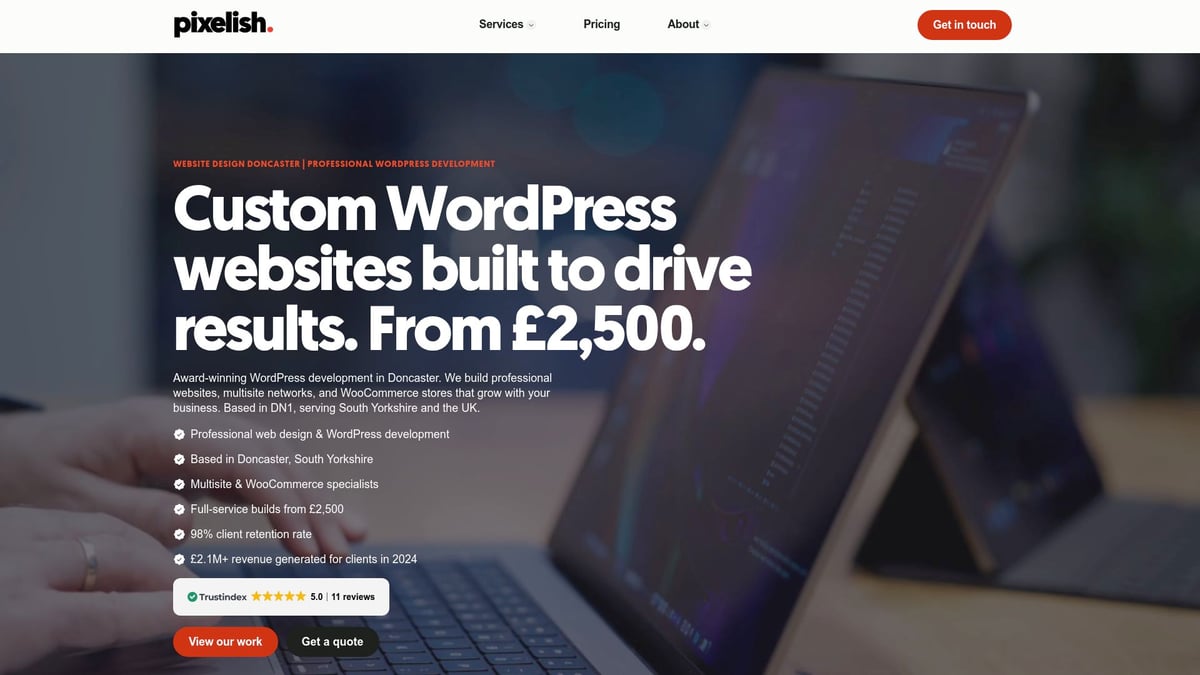
With a proven track record, including £2.1M in client revenue for 2024 and a 98% retention rate, Pixelish combines local insight with national reach. Their Doncaster base means hands-on support for South Yorkshire and beyond. Clients benefit from end-to-end project management, flexible care plans, and measurable outcomes.
How do you choose the right approach? Consider your budget, timeline, and the complexity of your site. Assess your internal skills and resources, and think about long-term support needs.
For simple projects, DIY or freelancers may suffice. For growth-focused or technically demanding sites, agencies like Pixelish deliver the strategic value and peace of mind that justify the investment.
Website redesign projects often hide a range of costs that can catch businesses off guard. Understanding these hidden and variable expenses is crucial if you want to accurately budget the true cost for website redesign and avoid post-launch headaches.

One of the most underestimated risks in the cost for website redesign is the impact on your site's existing search rankings. A poorly managed migration can lead to significant traffic loss, sometimes over 30 percent, which directly affects revenue and leads.
Key elements to budget for include:
Following SEO best practices during redesign is essential to minimise risks. Investing here protects your organic traffic and ensures your new site starts strong.
Underestimating the time and resources needed for new content can quickly inflate the cost for website redesign. Businesses often discover late in the process that extra pages, rewritten copy, or multimedia assets are required.
Scope creep is another common pitfall. Additional features, design changes, or rounds of revisions can push projects beyond their original budget.
To avoid these issues:
Ongoing platform and licensing costs can be a surprise component of the cost for website redesign. This includes:
These fees can add up over time, eroding initial savings from a low upfront quote.
Legal compliance is non-negotiable for UK businesses in 2026. The cost for website redesign must factor in:
Fines and legal risks from non-compliance far outweigh the investment in proper upgrades.
A redesigned website often comes with a new CMS or workflows. Allocating budget for staff training is vital to prevent productivity loss and user errors.
This might include:
Proper change management ensures a smooth transition for your team and maximises your site's ROI.
The cost for website redesign does not end at launch. Ongoing support, security updates, and technical assistance are essential to keep your investment running smoothly.
As technology evolves, maintenance costs can rise, especially if new vulnerabilities or features emerge. Planning for this ensures no unpleasant surprises down the road.
Understanding the cost for website redesign in 2026 is vital for UK businesses planning a digital upgrade. Prices have shifted in recent years, and knowing what to expect can help you avoid overspending or underinvesting. Let's break down the real numbers, influencing factors, and what you get for your money.
The cost for website redesign varies significantly based on business size and site complexity. Here’s a summary of average UK price ranges in 2026:
| Business Type | Typical Cost Range |
|---|---|
| Small business/informational | £2,500 – £6,000 |
| E-commerce/retail | £4,500 – £15,000+ |
| Multi-site/enterprise | £6,000 – £50,000+ |
A small business might invest at the lower end, focusing on a modern, mobile-friendly site. In contrast, e-commerce and multi-site organisations often require advanced features, pushing the cost for website redesign higher.
Several factors directly impact the cost for website redesign. Key considerations include:
A site with complex integrations or unique branding will naturally command a higher cost for website redesign compared to a simple refresh.
In the UK, website redesign budgets have increased by around 30 percent between 2025 and 2026. Demand for mobile-first layouts and AI-driven features is accelerating this trend. According to Website redesign cost statistics UK 2025, businesses are prioritising investment in performance, security, and user experience.
This shifting landscape means the cost for website redesign is more closely linked to the value delivered rather than just the upfront expense.
Consider an SME rebranding with a new e-commerce platform. Their cost for website redesign might look like this:
| Item | Cost |
|---|---|
| Design | £2,000 |
| Development | £3,000 |
| Content | £1,000 |
| Integrations | £1,500 |
| Support | £500 |
| Total | £8,000 |
Each element—design, development, content, integrations, and support—contributes to the total cost for website redesign. The balance depends on project goals and business needs.
A well-executed website redesign can offer significant returns on investment. Consider these benefits:
When evaluating the cost for website redesign, factor in both upfront expense and long-term gains.
Opting for the lowest possible cost for website redesign can backfire. Watch for these warning signs:
Cutting corners often leads to higher long-term costs and lost business opportunities. Investing wisely in your redesign is essential for sustainable growth.
A successful website redesign starts with a clear roadmap. Careful planning not only controls the cost for website redesign, but also ensures your investment delivers tangible results. Let’s break down the essential steps UK businesses should follow.
Begin by evaluating your existing site’s design, user experience, technical performance, and content quality. This audit is crucial for understanding what works and what needs improvement.
A thorough audit lays the groundwork for setting realistic expectations and controlling the cost for website redesign.
Set measurable objectives that align with your business strategy. Are you aiming to boost traffic, increase conversions, or drive more sales? Defining clear KPIs ensures your redesign stays focused.
Establishing these benchmarks early helps justify the cost for website redesign and track your return on investment.
Not all features carry equal weight. Distinguish between must-haves and nice-to-haves using frameworks like MoSCoW.
Prioritisation prevents scope creep and keeps the cost for website redesign within reach.
Allocate funds for each project phase, from design to development and content. Always include a contingency (typically 10–20 percent) for unexpected costs.
A structured budget is key to controlling the overall cost for website redesign and avoiding nasty surprises.
Choosing between agencies, freelancers, or an in-house team depends on your budget, project complexity, and internal expertise.
The right partner can make or break your cost for website redesign, so invest time in due diligence.
Content is often underestimated in both effort and expense. Audit existing materials, update for relevance and SEO, and prepare a migration plan.
Following website redesign best practices 2025 can help structure your approach and maximise value for your investment.
Testing, staff training, and documentation are essential for a smooth launch. Plan for post-launch monitoring and technical support.
Proper preparation minimises disruption and protects your cost for website redesign investment.
A typical SME website redesign follows a phased approach:
| Phase | Timeframe | % of Budget |
|---|---|---|
| Discovery | 1–2 weeks | 10% |
| Design | 1–2 weeks | 30% |
| Development | 2 weeks | 40% |
| Content | 1 week | 15% |
| Project Mgmt | Ongoing | 10% |
| Contingency | N/A | 5% |
This breakdown helps visualise how the cost for website redesign is allocated across the project lifecycle.
Stay informed about affordable website design trends to make smart choices that stretch your budget further.
By following these steps, UK businesses can plan confidently, optimise the cost for website redesign, and achieve a site that delivers measurable results.
Staying ahead in the digital landscape means anticipating trends that will shape the cost for website redesign in 2026. Let us explore what is driving up investment, where the savings lie, and how to ensure your redesign stands the test of time.
Artificial intelligence is rapidly changing how websites are designed and maintained. AI-driven tools can automate tasks like content generation, UX personalisation, and even A/B testing. While there is an initial investment, the cost for website redesign can decrease over time due to faster workflows and reduced manual effort.
Businesses are using AI to analyse user behaviour, recommend content, and streamline support with chatbots. These capabilities improve user experience and can drive higher ROI. However, integrating advanced AI features may require additional budget upfront.
Another major shift is the adoption of headless CMS and JAMstack architecture. These technologies decouple the front end from the back end, offering greater flexibility, speed, and security. For many, the cost for website redesign can be higher at the start due to the need for specialist development skills and setup.
However, ongoing maintenance costs often drop, and sites enjoy better performance. JAMstack is also ideal for integrating modern features and scaling as your business grows. This future-proof approach is becoming a standard for high-growth UK organisations.
Legal and ethical standards for accessibility are tightening. UK and EU laws now require most sites to meet WCAG 2.2 standards, which impacts the cost for website redesign as compliance is non-negotiable for many sectors. Investing in accessible design not only minimises legal risk but also opens your site to a wider audience.
To achieve this, businesses are adopting frameworks like the Inclusive web accessibility framework, which help ensure user autonomy and customisation. Budgeting for accessibility means considering audits, testing, and often, redevelopment of existing features.
Sustainability is no longer just a buzzword. More businesses are demanding green hosting and low-carbon web solutions. Choosing eco-friendly providers may affect the cost for website redesign, as green infrastructure can carry a premium.
However, these investments can enhance your brand reputation and appeal to environmentally conscious customers. Over time, energy-efficient sites may also reduce running costs, making sustainable options more attractive.
With regulations like GDPR firmly in place, security and privacy are essential parts of any redesign. Ongoing investment in encryption, monitoring, and compliance is necessary. This can increase the cost for website redesign, especially for e-commerce or data-driven platforms.
It is vital to budget for regular updates, vulnerability testing, and policy reviews. The risk of non-compliance or data breaches far outweighs the up-front investment in robust security.
Websites are no longer static assets. The trend is shifting toward ongoing optimisation rather than one-off projects. This affects the cost for website redesign, as you will need to budget for iterative updates, user feedback cycles, and continuous A/B testing.
A forward-looking approach ensures your site stays relevant and competitive. Planning for regular improvements helps spread costs and delivers better long-term value.
Consider a UK retailer who invested in AI-driven UX, adopted JAMstack, implemented accessibility frameworks, and chose green hosting. Their initial cost for website redesign was higher, but within three years, they saw a 20% drop in maintenance costs and a 15% rise in conversions.
These strategies show that future-proofing is not just about technology, but about smart investment choices that deliver measurable ROI.
If you’re ready to take the next step after learning what really goes into the cost of a website redesign in 2026, let’s talk about your unique goals. Every business is different, and your website should reflect that—from tailored design and seamless user experience to strong SEO foundations. At Pixelish, we’ve helped businesses across Doncaster and South Yorkshire turn visitors into loyal customers, all with transparent pricing and ongoing support. If you want clarity on what your investment could look like, you can Get a quote today—we’ll help you plan with confidence and make every pound count.




© Copyright 2025, All Rights Reserved by Pixelish