
No products in the basket.
Website Design Website Development Guide for 2026 Success
Master website design website development for 2026 with expert strategies…

In 2026, website design support has become essential as digital competition accelerates and user demands evolve at a rapid pace. Businesses must adapt quickly to stay ahead and ensure their online presence meets modern standards.
This guide offers expert insights and practical strategies to help you master website design support, from understanding the latest trends to implementing effective support processes. Discover the tools and tips you need to optimise your website, boost user satisfaction, and prepare for the future of digital engagement.
Staying competitive in 2026 means understanding how website design support is rapidly transforming. Businesses must navigate a landscape shaped by new technologies, changing standards, and rising user expectations. In this section, we explore the most significant trends, the challenges organisations face, and strategies to ensure your website design support remains robust and future-ready.
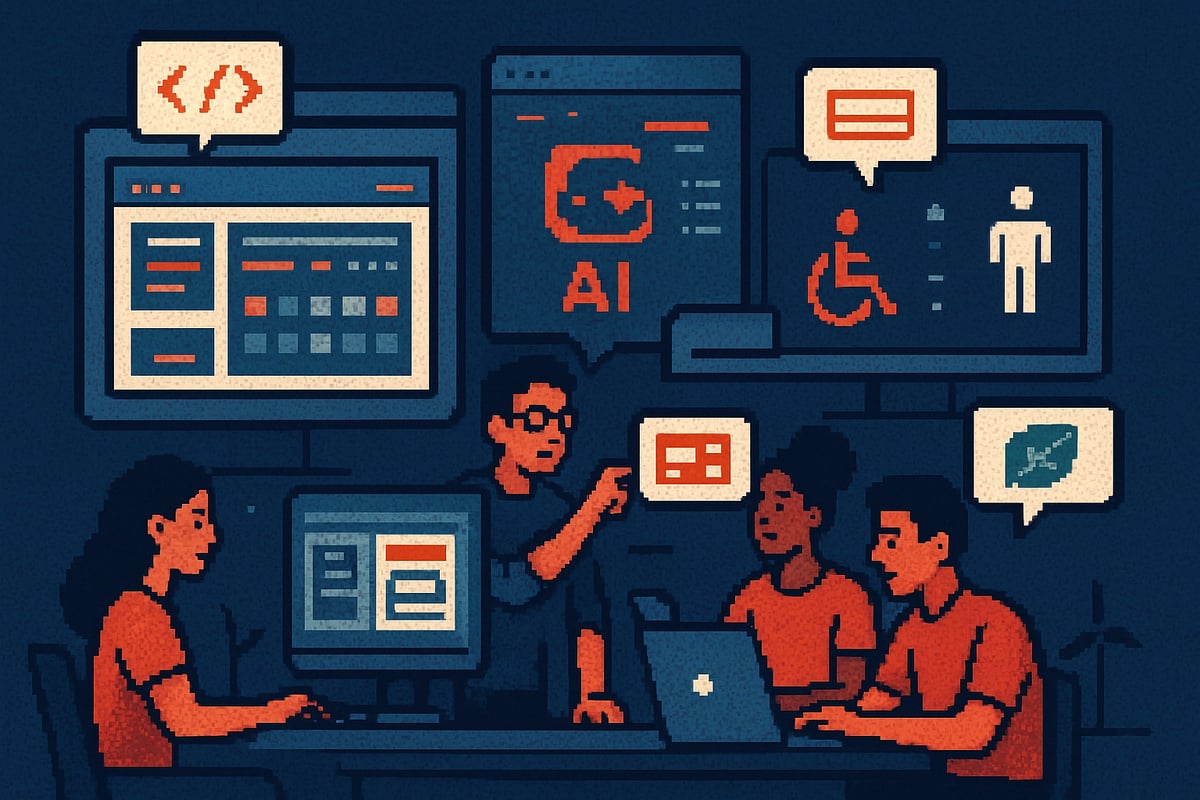
The environment for website design support in 2026 is defined by innovation and user-centricity. Several key trends are reshaping how support teams operate and deliver value.
These trends highlight the importance of adaptable, forward-thinking website design support strategies.
While opportunities abound, organisations encounter significant obstacles when managing website design support in 2026.
To address these challenges, website design support must be proactive and strategic. Teams should invest in upskilling, leverage automation, and maintain a clear understanding of evolving risks. Benchmarking against industry standards and competitors helps identify gaps and prioritise improvements.
Adapting your website design support for the future requires a commitment to both innovation and resilience. Organisations are increasingly adopting modular design systems, allowing for easier updates and integration with new technologies.
Continuous learning is vital. Support teams benefit from regular training, ensuring they can handle the latest design and compliance requirements. Automation, such as scheduled health checks and AI-driven maintenance, reduces manual workloads and minimises downtime.
A compelling example comes from a UK retailer that increased conversion rates by 22 percent after implementing AI-powered website design support tools. According to the TechUK Web Trends Report 2025, 67 percent of businesses plan to boost their investment in website support and maintenance by 2026.
By prioritising flexibility, automation, and data-driven decision-making, you can ensure your website design support remains effective in the face of evolving demands.
Delivering robust website design support requires a clear, structured process. By following a step-by-step approach, you can ensure every aspect of your website stays optimised, secure, and ready for the future. Here’s how to master effective website design support in 2026.
The first step in any website design support strategy is a thorough assessment. Begin by conducting a comprehensive health check. Evaluate site performance, security, and user experience. Use analytics tools to pinpoint where users drop off or encounter friction.
Create a checklist for your audit:
For example, an audit might reveal slow load times due to outdated plugins. Addressing these early can prevent future issues. Consistent website design support at this stage lays the groundwork for long-term success.
Once you have your audit results, the next phase of website design support is careful planning. Set clear support objectives that align with your business goals. Prioritise issues based on their impact and urgency.
Develop a roadmap that outlines:
Utilise project management tools to track progress and ensure accountability. By prioritising effectively, your website design support efforts become more strategic and measurable. This step ensures resources are allocated where they will deliver the most value.
With a plan in place, move on to implementing support solutions. Update core frameworks and plugins to enhance security and performance. Optimise site speed using image compression, lazy loading, and code minification.
Focus on accessibility improvements, ensuring your site meets the latest WCAG 2.2 standards. Integrate new features based on user feedback to keep experiences fresh and engaging.
If your business relies on WordPress, leveraging WordPress maintenance and support services can streamline updates and reduce risk. This approach ensures your website design support is proactive, not just reactive.
Website design support does not end with implementation. Set up automated monitoring for uptime, security vulnerabilities, and traffic spikes. Schedule regular backups and disaster recovery drills to safeguard your digital assets.
Monitor SEO health and rankings to maintain visibility. For instance, monthly maintenance routines have been shown to reduce downtime by up to 40 percent for B2B service providers. Ongoing website design support is essential for sustaining performance over time.
Effective website design support always includes strong user support channels. Set up chatbots, help desks, or ticketing systems to address user concerns promptly. Gather and analyse user feedback to inform continuous improvements.
Implement A/B testing for new design elements to optimise user experience. Remember, 74 percent of users expect real-time support when interacting with business websites. By closing the loop with users, you ensure your website design support adapts to evolving needs and expectations.
Selecting the right tools and technologies is a pivotal step for any business aiming to excel in website design support. In 2026, the landscape is more dynamic than ever, with solutions evolving rapidly to meet both technical and user experience demands.
Modern website design support relies on a toolkit that is not only powerful but also adaptable, ensuring your site remains competitive, secure, and engaging. Below, we explore the essential tools and strategies every business should consider.
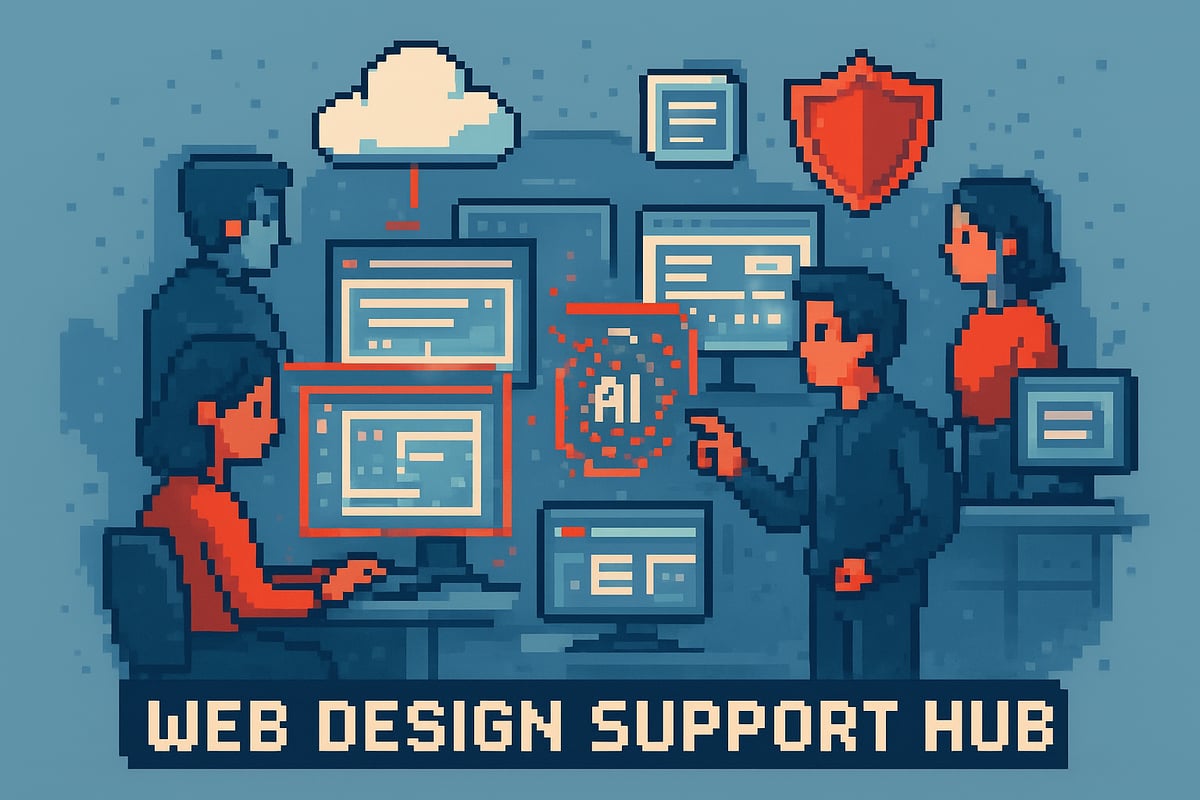
To deliver effective website design support, businesses should invest in a robust set of tools that address performance, security, and accessibility. AI-powered builders and design assistants have become mainstream, enabling rapid prototyping and automated content adjustments. These tools use machine learning to personalise experiences and flag issues before they impact users.
Automated testing platforms are now indispensable. They check for accessibility compliance, performance bottlenecks, and code integrity across multiple browsers and devices. Multi-device preview tools allow teams to visualise how designs render on mobiles, tablets, and desktops, ensuring consistency and a seamless user journey.
Cloud-based backup and version control systems protect against data loss and streamline collaboration. Security monitoring platforms provide real-time alerts for vulnerabilities, keeping your site safe from emerging threats. For those looking for hands-on assistance, Web design help and support offers expert guidance tailored to your unique requirements.
Seamless integration is vital for modern website design support. Connecting your support tools with CRM, marketing, and analytics platforms creates a unified workflow, reducing manual effort and minimising errors. Automation has transformed routine maintenance, enabling tasks like software updates, bug fixes, and content deployment to occur with minimal intervention.
Analytics dashboards provide real-time insights into site performance, user behaviour, and conversion rates. These insights help support teams identify trends, address issues proactively, and optimise user journeys. Automated alerting systems can notify teams of downtime, security threats, or unusual traffic spikes, ensuring rapid response.
A typical automation stack might include scheduled backups, continuous integration for code deployments, and AI-driven chatbots for user support. By leveraging these integrations, businesses can focus on strategic improvements rather than repetitive tasks, making website design support more efficient and scalable.
Selecting the optimal technology stack for website design support requires careful consideration of several factors. Scalability ensures your tools can grow alongside your business, while ease of use reduces the learning curve for support teams. Integration capabilities are crucial for connecting with existing systems, and cost-effectiveness must always be balanced with functionality.
For example, many small businesses now utilise low-code or no-code platforms to streamline support processes, reducing technical barriers and cutting support time by up to 50%. When evaluating options, look for platforms that offer robust documentation, active community support, and regular updates.
According to the WebOps Survey 2025, 81% of organisations use at least three integrated tools for website support, reflecting the need for a flexible, modular approach. Choosing wisely today ensures your support strategy remains adaptable, secure, and aligned with long-term business goals.
Achieving scalable website design support in 2026 is no longer just a technical challenge, but a strategic imperative. Businesses must focus on building resilient teams, maintaining robust documentation, shifting from reactive to proactive support, and measuring what matters. Let us explore the best practices that set successful organisations apart.

A high-performing website design support team is the bedrock of scalable digital operations. The modern team blends designers, developers, UX specialists, and support engineers. Each role brings unique expertise, ensuring that every facet of website design support is covered.
Continuous training is essential. Encourage certifications in the latest design standards, accessibility, and security. This keeps the team ahead of the curve as technologies evolve.
Cross-functional collaboration is crucial. Regular stand-ups, shared project boards, and open communication break down silos. When support engineers and designers work closely, issues get resolved faster, and new features are rolled out more effectively.
To attract and retain top talent, invest in a supportive culture and clear career paths. Foster curiosity, reward innovation, and ensure everyone understands the value they bring to website design support.
Comprehensive documentation is the backbone of efficient website design support. Internal guides, onboarding manuals, and process checklists help teams maintain high standards and consistency.
An up-to-date knowledge base is vital. It should cover troubleshooting steps, system configurations, and compliance requirements. For example, with accessibility regulations tightening, your documentation must reflect the latest standards. Referencing resources like Accessibility-first design becomes mandatory ensures your team stays compliant and future-ready.
Well-documented support processes also benefit clients. Clear, client-facing guides reduce confusion and build trust. A robust knowledge management strategy can cut onboarding time for new team members by 30 percent, reducing operational friction and enhancing the overall quality of website design support.
Shifting from reactive fixes to proactive website design support is transformative. Proactive monitoring tools send alerts before issues escalate, allowing teams to address vulnerabilities or performance dips early.
Scheduling regular audits and updates keeps systems secure and optimised. Monthly health checks, code reviews, and security patches should be part of your routine. In one case, a financial services website avoided a major security breach thanks to these proactive measures.
Proactive support not only minimises downtime, but also improves customer satisfaction. By anticipating needs and preventing disruptions, you position your business as a reliable partner. Embedding this approach within your website design support model drives long-term success and resilience.
Measuring the effectiveness of website design support is essential for continuous improvement. Key metrics include uptime, response time, resolution rate, and user satisfaction. The table below summarises these core metrics:
| Metric | Target Benchmark | Why It Matters |
|---|---|---|
| Uptime | 99.9%+ | Ensures reliability |
| Response Time | <1 hour | Improves user trust |
| Resolution Rate | >90% | Reduces backlog |
| User Satisfaction | 85%+ | Drives loyalty |
Feedback and analytics are invaluable. Regularly review user feedback and monitor site analytics to identify patterns and areas for improvement. Integrating Website design and SEO integration into your support workflow helps align technical performance with business goals, ensuring ongoing optimisation.
Companies with a proactive support approach report 35 percent higher customer retention. By tracking these metrics and refining your processes, your website design support will deliver measurable value for both your business and your clients.
Staying ahead in website design support means preparing for what’s next, not just reacting to current trends. As digital landscapes shift, businesses must proactively adopt new technologies, sustainable practices, and robust strategies to ensure their online presence remains effective. Let’s explore how to future-proof your website design support by embracing innovation, ethics, scalability, and compliance.
The speed at which technology evolves demands that website design support strategies are agile and forward-thinking. AI-driven personalisation is now central to delivering bespoke user experiences, while predictive UX leverages data to anticipate user needs.
Augmented reality (AR) and virtual reality (VR) are transforming how brands engage with audiences, offering immersive experiences that boost retention. Preparing for Web3 and blockchain features ensures your website remains compatible with decentralised applications and secure transactions.
Supporting new interaction methods is equally important. The adoption of voice and gesture-based navigation trends is accelerating, requiring support teams to adapt their workflows. By integrating these technologies early, your website design support can keep your site relevant and engaging.
Sustainability is now a cornerstone of effective website design support. Implementing green hosting reduces your site’s carbon footprint, while energy-efficient coding practices optimise resource use.
Designing for accessibility and digital inclusion is not just ethical, it’s a business imperative. Accessible sites reach wider audiences and comply with legislation. For example, a UK non-profit increased its reach by 28% after a website redesign focused on accessibility and inclusive design.
Website design support teams should regularly audit their sites for accessibility and sustainability, ensuring ongoing compliance and broad appeal.
To ensure your website thrives as your business grows, scalability and flexibility are essential. Adopting modular design systems and headless CMS architectures allows for easy updates and seamless integration with future tools.
Continuous training for in-house teams keeps your website design support at the cutting edge, equipping staff to manage new challenges. Investing in flexible systems reduces technical debt and positions your website to take advantage of emerging trends with minimal disruption.
Using a structured approach to website design support means your site can evolve alongside your business, not against it.
User expectations are evolving rapidly. Monitoring changing behaviours and preferences is key to maintaining engagement. Leveraging data analytics provides actionable insights, enabling ongoing optimisation of your website design support strategies.
According to recent research, 90% of users are more likely to remain on websites that adapt to their needs in real time. This underscores the importance of proactive adaptation, ensuring your website is always one step ahead of user demands.
Regular feedback loops, A/B testing, and user journey analysis should be built into your website design support processes.
Future-proofing your website means staying ahead of regulatory changes and compliance requirements. With GDPR and accessibility laws evolving, regular security audits and compliance checks are essential parts of website design support.
Proactive compliance not only prevents costly fines but also builds user trust. For example, an e-commerce retailer avoided significant penalties by implementing a rigorous compliance review process.
By embedding risk management into your website design support, you ensure your site remains secure, trustworthy, and ready for what’s next.
As you look to strengthen your website design support strategy for 2026, remember that having expert guidance can make all the difference. We’ve covered everything from emerging trends like AI-driven tools and accessibility, to best practices for building a resilient, high-performing site. If you want tailored advice or ongoing support from a team that understands what drives results in Doncaster and beyond, now is the perfect time to take the next step. Let’s work together to ensure your website is ready for whatever the future brings.
Get in touch

© Copyright 2025, All Rights Reserved by Pixelish