
No products in the basket.
Website Design Website Development Guide for 2026 Success
Master website design website development for 2026 with expert strategies…

Web design is evolving at an unprecedented pace, reshaping how businesses connect with their audiences in 2025. Staying ahead in this digital landscape demands more than just a visually appealing website. To truly succeed, companies need modern, user-centric, and high-performing online experiences.
This comprehensive handbook is your trusted source for web design help, whether you are building a new site or transforming an existing one. Inside, you will discover the latest trends, a practical step-by-step design process, essential tools, accessibility guidance, and strategies to future-proof your website.
Gain actionable insights and expert advice to ensure your website not only meets but exceeds expectations in 2025.
The web design landscape in 2025 is evolving at a remarkable pace. With over 5.35 billion global internet users reported in 2024, digital presence is now a business imperative. Companies are seeking web design help to keep up with rapidly shifting user expectations and new technologies.
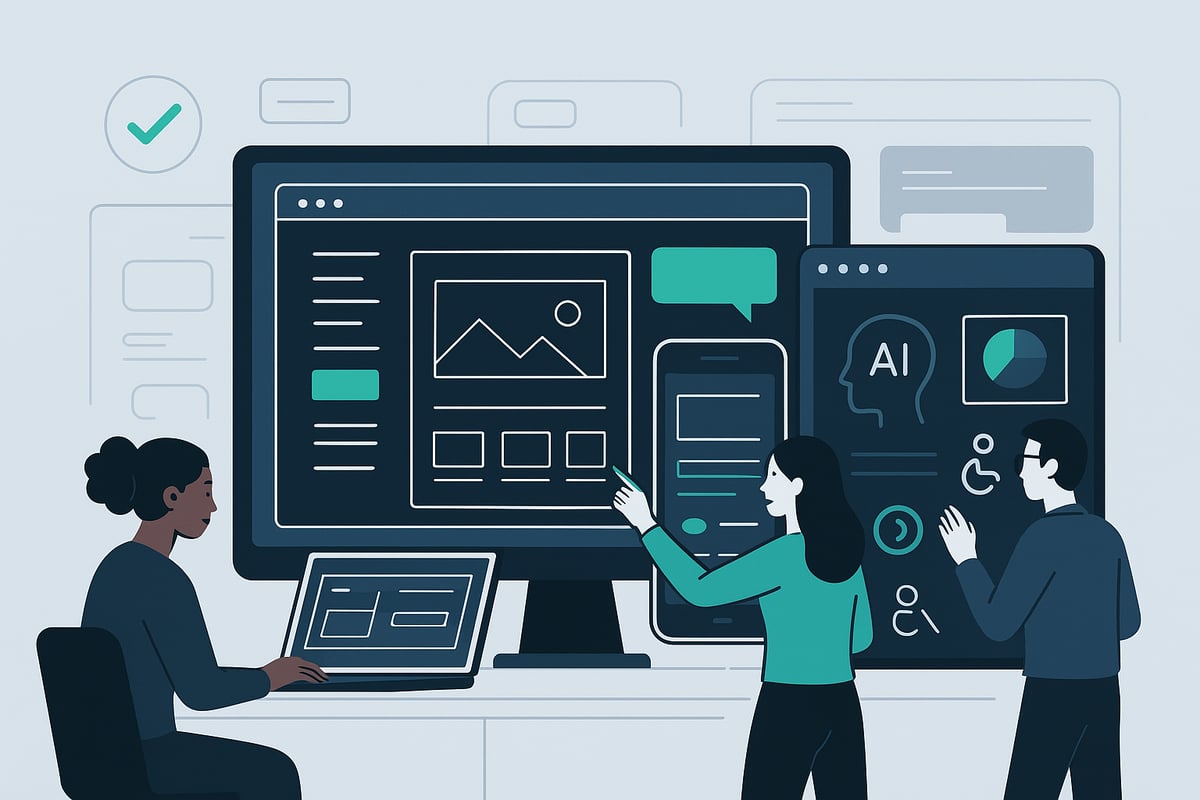
In 2025, mobile-first and responsive design are not simply recommendations, but standard practice. According to recent statistics, over 60% of global web traffic now originates from mobile devices. Businesses that fail to optimise for mobile risk losing a significant portion of their audience.
Responsive layouts, fluid grids, and adaptable imagery ensure that websites perform seamlessly across all devices. For those seeking web design help, focusing on mobile usability is now non-negotiable.
Artificial intelligence is reshaping the web design process. AI-powered layout generators, content personalisation engines, and automated testing tools are streamlining workflows and enabling designers to deliver more engaging experiences.
AI not only accelerates prototyping but also provides data-driven insights into user behaviour. This empowers teams to make smarter design decisions and deliver tailored experiences. Web design help now often includes leveraging AI to boost efficiency and creativity.
Minimalist design continues to dominate, with content taking centre stage. Heavy graphics and cluttered layouts are fading away, replaced by clean structures and whitespace. This shift enhances readability and reduces cognitive load for visitors.
Performance is a top priority. Google reports that 53% of users abandon sites if they take longer than three seconds to load. Fast-loading sites are no longer a luxury, but a necessity for retaining users. Designers use lazy loading, image optimisation, and streamlined code to meet these expectations.
Dark mode, micro-interactions, and immersive storytelling are among the most influential trends shaping 2025. Dark mode provides visual comfort and battery savings, while micro-interactions offer subtle feedback and delight users. Immersive storytelling uses animations, video, and interactive elements to engage audiences on a deeper level.
Major brands such as BBC and GOV.UK have adopted these trends, setting new standards for user engagement and satisfaction. Organisations seeking web design help should consider how these elements can be integrated into their digital strategy.
Accessibility is both a legal and ethical requirement in the UK, especially with the Public Sector Bodies Accessibility Regulations. Inclusive design ensures that websites are usable by people with diverse abilities, including those relying on screen readers or keyboard navigation.
Leading organisations now prioritise accessibility from the outset, using advanced CSS features like container queries, variable fonts, and motion design to create adaptable, user-friendly interfaces. Accessibility is no longer an afterthought, but a core component of modern web design help.
Below is a summary of the most impactful trends and data points shaping the industry:
| Trend/Statistic | 2025 Data/Insight |
|---|---|
| Global Internet Users | 5.35 billion+ (2024, DataReportal) |
| Mobile Web Traffic | 60%+ (Statista, 2024) |
| AI Adoption in Web Design | AI-driven tools now widely used |
| Abandon Rate for Slow Sites | 53% leave if load time > 3s (Google) |
| Accessibility Focus | Legal requirement in UK, driving inclusive design |
| Major Brand Leaders | BBC, GOV.UK set benchmarks for speed and accessibility |
For a deeper dive into current statistics and emerging shifts, visit these Web Design Statistics 2025.
As we move further into 2025, staying informed about web design help trends and statistics is vital for any business or individual seeking a competitive edge. Embracing innovation, prioritising accessibility, and focusing on user experience will ensure your website stands out in a crowded digital landscape.
Creating an effective website in 2025 requires a clear, methodical approach. Whether you are building from scratch or refreshing an existing platform, following a proven process offers reliable web design help and maximises your return on investment.
The first step in any web design help journey is understanding your business goals. Start by identifying what your website needs to achieve, such as increasing online sales or generating leads. Conduct interviews with stakeholders to capture every key perspective.
Next, analyse your competition. What are others in your industry doing well, and where can you differentiate? Developing detailed user personas helps clarify who your audience is, while mapping out their journey reveals opportunities to engage and convert.
For example, an e-commerce business may set a goal to boost conversion rates by 20 percent. Aligning these objectives with your strategy ensures every design decision supports measurable success. If you are unsure where to start, consult a website creation company guide for expert web design help tailored to your needs.
With clear goals, move to the planning phase. Here, web design help focuses on structuring your content and navigation for optimal user experience. Create a sitemap to outline your site’s main sections, and use wireframes to visualise layouts.
Prioritise user flows by mapping how visitors will move through your site. Clarity is vital—ensure navigation is intuitive. Plan content to balance SEO requirements with engagement. For a service-based business, an effective homepage highlights services, trust factors, and a clear call to action.
Techniques like card sorting and tree testing validate your structure. These methods provide practical web design help by confirming your site is easy to use and logically organised.
Once the framework is in place, it is time to design. Use web design help strategies to craft visually appealing mockups that reflect your brand identity. Responsive and mobile-first principles are essential, as most users browse on mobile devices.
From the outset, prioritise accessibility. Choose high-contrast colours and legible fonts. For instance, compare before-and-after mockups to see how improved layouts enhance user experience.
Collaborative prototyping tools, such as Figma or Adobe XD, streamline feedback and iteration. This stage of web design help ensures your ideas translate into practical, user-friendly interfaces.
In this phase, selecting the right platform is crucial. Whether you opt for WordPress, Shopify, or a custom solution, web design help guides you in making choices that fit your goals. Clean, semantic HTML, CSS, and JavaScript form the foundation for a high-performing site.
Integrate SEO best practices, including structured data and meta tags. For example, adding lazy loading can significantly improve site speed, directly impacting user satisfaction. Regularly test your site across different browsers and devices to catch issues early.
By following these steps, web design help ensures your website is robust, scalable, and optimised for success.
Before going live, comprehensive testing is vital. Conduct usability, accessibility, speed, and security checks to ensure your site meets modern standards. Use tools like Google Lighthouse and Core Web Vitals to measure performance.
Gather feedback from real users and analyse analytics for ongoing improvements. Consider running A/B tests on calls-to-action to maximise conversions. Establish a maintenance plan to keep your site secure and up to date.
This ongoing commitment to web design help guarantees your website continues to perform and evolve with your audience’s needs.
Pixelish stands out for delivering bespoke web design help, offering WordPress development and e-commerce solutions tailored to your business objectives. With over 50 custom projects completed in the last six months, they focus on measurable ROI and high-performance sites.
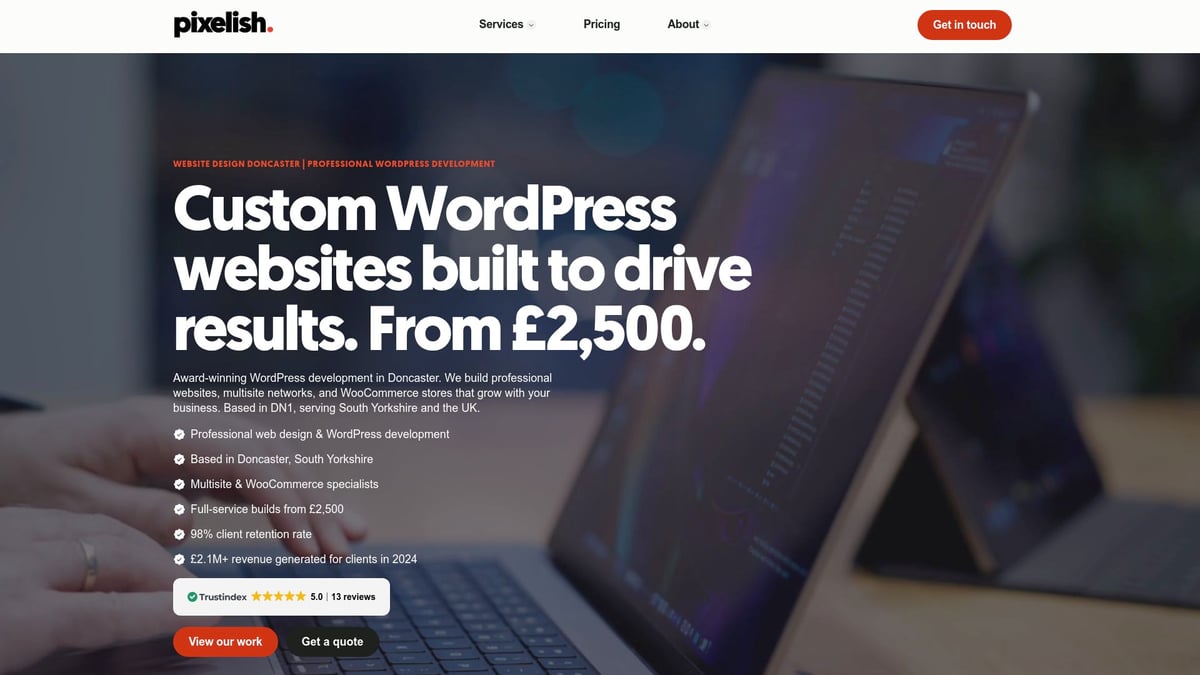
Their services cover everything from custom WordPress builds and WooCommerce stores to multisite networks, seamless migrations, and ongoing support. Pixelish’s results-driven approach means every website is SEO-optimised, mobile-responsive, and future-proofed.
Trusted by businesses across Doncaster and the UK, Pixelish boasts a 98 percent client retention rate and has helped generate over £2.1 million in client revenue this year. Their transparent process, from discovery through to launch, provides web design help that converts visitors into loyal customers.
Staying ahead in 2025 requires the right mix of tools and technologies. For anyone seeking web design help, understanding which platforms, editors, and testing solutions power modern websites is crucial. Selecting the best tools can make the difference between a site that simply looks good and one that truly performs.
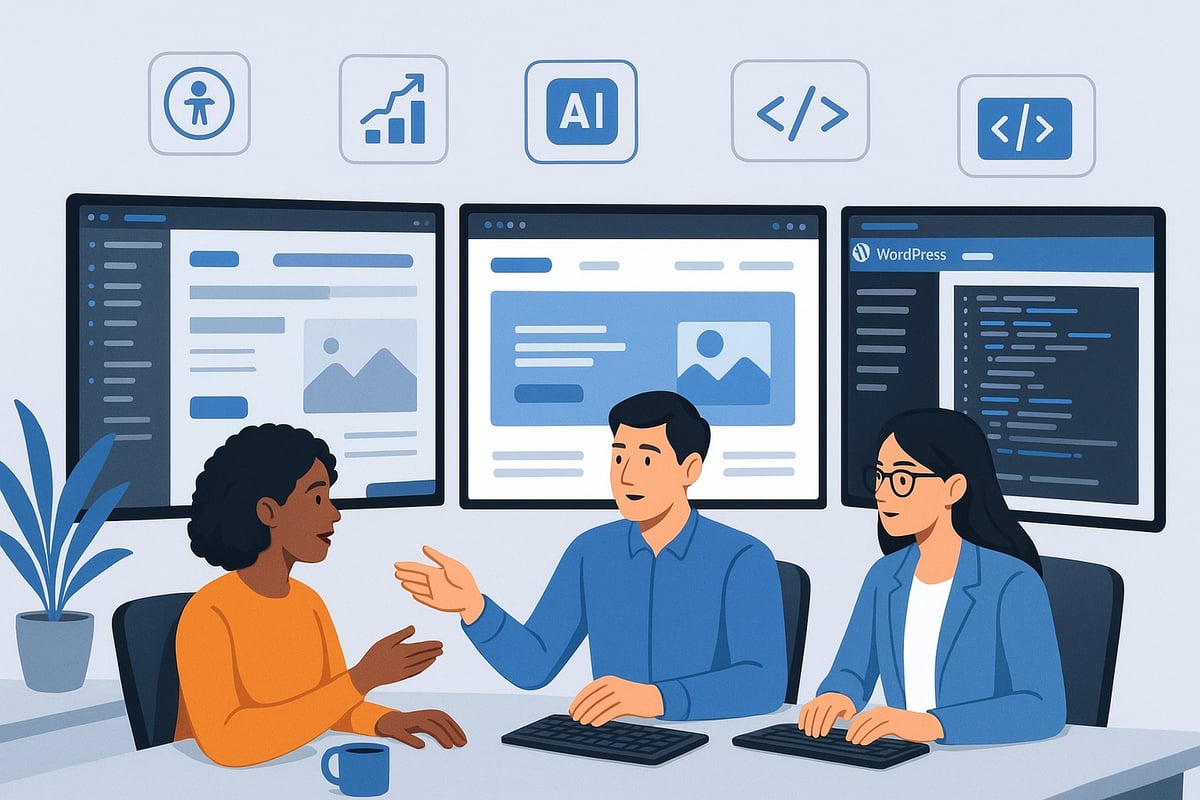
Professional web design help starts with robust UI/UX tools. Figma, Adobe XD, and Sketch are the industry standards for crafting intuitive interfaces. These platforms support collaborative design, real-time feedback, and smooth prototype handoff to development teams.
Figma stands out for its cloud-based collaboration and version control, making it ideal for distributed teams. Adobe XD offers seamless integration with Creative Cloud, while Sketch remains popular among macOS users. Using these tools ensures the design process is both efficient and consistent.
Content Management Systems play a central role in delivering web design help to businesses of all sizes. WordPress dominates the market, powering over 42% of the web. Its flexibility, vast plugin ecosystem, and extensive community make it a top choice for everything from blogs to enterprise sites.
Shopify excels for e-commerce, providing secure, scalable solutions with minimal setup. Webflow appeals to designers who want visual control with clean HTML/CSS output. For those exploring professional WordPress solutions, WordPress web development expertise can ensure your project is both robust and future-proof.
| Platform | Strengths | Limitations |
|---|---|---|
| WordPress | Versatile, SEO-friendly, scalable | Requires updates, plugin risks |
| Shopify | E-commerce, secure, easy to use | Less flexible for content |
| Webflow | Visual design, clean code | Higher learning curve |
Choosing the right CMS is essential for long-term success and ongoing web design help.
Efficient coding is fundamental to modern web design help. Visual Studio Code (VS Code) leads among code editors, offering rich extensions and intelligent code completion. Frameworks like Bootstrap 5 and Tailwind CSS streamline responsive design and speed up development.
Bootstrap provides a component-based structure, while Tailwind CSS offers utility-first styling for rapid prototyping. Both have strong communities and documentation, ensuring developers have the support needed to build high-quality sites.
Automation tools are a vital part of effective web design help. GitHub facilitates version control and team collaboration. Gulp and Webpack automate tasks such as minification and asset management, reducing manual workload and errors.
Accessibility remains a legal and ethical imperative. Tools like Axe, WAVE, and Lighthouse help designers meet WCAG 2.2 standards by detecting issues early. For image optimisation, TinyPNG, Squoosh, and SVGOMG compress assets without sacrificing quality, ensuring faster load times and better user experiences.
Ongoing web design help requires continuous monitoring and adaptation. Google Analytics 4 and Hotjar provide insights into user behaviour and site performance. Core Web Vitals metrics highlight areas for speed and usability improvements.
AI-assisted design tools, such as Framer AI, are revolutionising workflows by automating layout generation and personalising content. No-code platforms continue to lower barriers for non-developers, making high-quality web design help more accessible than ever.
Selecting the right mix of these tools ensures your website remains competitive, accessible, and ready for future challenges.
Creating an inclusive and engaging website is essential for any business seeking web design help in 2025. Accessibility and user experience are no longer optional—they are fundamental for reaching your audience and delivering measurable results. Let us explore the guiding principles, practical strategies, and business benefits of designing for everyone.

Inclusive design is central to web design help, ensuring everyone can access and use your website. Following the Web Content Accessibility Guidelines (WCAG 2.2) is vital for both legal compliance and ethical responsibility in the UK.
Accessible websites cater to users with disabilities, such as those using screen readers or keyboard navigation. Consider colour contrast and readable font sizes to support users with visual impairments.
Forms should be clear, with descriptive error messages and labels. For example, the GOV.UK Design System demonstrates best practice by making navigation and content accessible to all. With 1 in 5 people in the UK having a disability (Scope, 2024), designing inclusively is not just a legal requirement but a strategic advantage.
User experience is the backbone of effective web design help. Clear navigation, readable fonts, and intuitive layouts are crucial for keeping visitors engaged. Micro-interactions, such as button animations and instant feedback, can make websites feel more responsive and user-friendly.
Mobile UX is equally important, especially as most users access sites on smartphones. Prioritise large touch targets and responsive menus to improve usability on smaller screens. The BBC’s commitment to mobile-first UX has set a benchmark for others to follow.
According to Web Design Impact on User Experience, 88% of users are unlikely to return after a poor website experience. Investing in web design help ensures your site meets modern expectations and keeps users coming back.
Continuous testing is key to effective web design help. Use both automated tools, like Axe and Lighthouse, and manual methods, such as screen reader testing, to identify accessibility issues. Regular audits help ensure ongoing compliance and uncover areas for improvement.
Training your team on accessibility best practices is essential. Encourage feedback from real users, especially those with disabilities, to refine the experience further. In enterprise environments, routine audits are standard to maintain high accessibility standards.
A combination of automated and manual testing, along with a feedback loop, ensures your site remains accessible as it evolves. This proactive approach is a hallmark of professional web design help, building trust and reliability.
Investing in accessibility through web design help offers measurable business benefits. Accessible websites reach a broader audience, improve SEO, and enhance brand reputation. Non-compliance with the Equality Act 2010 can lead to legal risks, making accessibility a business-critical concern.
Retailers have seen increased sales after overhauling their sites for accessibility, demonstrating a direct link between inclusive design and conversions. Data from AbilityNet shows accessible websites can reach over 15% more users.
By making accessibility a priority in your web design help strategy, you not only avoid legal pitfalls but also position your business for growth, improved customer satisfaction, and long-term success.
A robust approach to web design help ensures your site stands the test of time. In 2025, security, SEO, and ongoing maintenance are the pillars of a future-proof website. Each element plays a crucial role in building user trust, improving rankings, and supporting business growth.
Security forms the backbone of any web design help strategy. SSL certificates and HTTPS are now non-negotiable, encrypting data between users and servers. Regular updates for your CMS, plugins, and dependencies prevent vulnerabilities from being exploited.
Threats like cross-site scripting, SQL injection, and DDoS attacks target sites of all sizes. Small businesses, in particular, can suffer severe reputational and financial damage from breaches. For example, a single security lapse can lead to data loss and eroded customer trust.
Essential tools include:
A layered security approach, combined with frequent audits and backups, delivers peace of mind. Prioritising web design help at the security level is key to safeguarding your digital assets.
SEO remains a cornerstone of web design help, evolving rapidly alongside search engine algorithms. In 2025, Google’s Core Web Vitals and mobile-first indexing are essential for visibility. Optimising site speed, interactivity, and visual stability directly impacts rankings.
Structured data enhances your presence in search results, enabling rich snippets and better click-through rates. With the rise of voice search, natural language optimisation is increasingly important. AI-driven content strategies are helping sites adapt to changing user intent.
A local business doubled its organic traffic by implementing structured data and improving page speed. Did you know that 68% of online experiences start with a search engine (BrightEdge, 2024)? For actionable tips, see Web design and SEO strategies, which explores the intersection of design and optimisation.
Routine maintenance is vital for lasting web design help. Regular backups, uptime monitoring, and swift bug fixes prevent unexpected downtime. Proactive performance optimisation and frequent content updates keep your site fresh and engaging.
You can choose between outsourcing maintenance to experts or managing it in-house. Each approach has pros and cons. Outsourcing offers specialist support, while in-house teams provide direct oversight.
Monthly care plans have proven effective in preventing downtime and ensuring rapid recovery. Statistics show that 40% of users abandon websites with frequent outages (Pingdom, 2024). Prioritising ongoing web design help ensures your site remains reliable and competitive.
Scalability is a major factor in future-proofing web design help. Modular design and cloud hosting make it easier to add new features and handle traffic spikes. Planning for growth from the start prevents costly redesigns later.
Analytics integration supports data-driven decisions, helping you identify trends and optimise performance. For instance, an e-commerce site that anticipated seasonal demand scaled smoothly during peak periods, maintaining high conversion rates.
Best practices include:
By embedding scalability into your web design help process, you ensure your site adapts as your business evolves.
Sustainability is now a core consideration for web design help. Reducing your website’s carbon footprint benefits both the planet and your brand. Efficient image optimisation, clean code, and green hosting make a measurable difference.
Hosting on eco-friendly servers and using CDNs minimises energy use. Leading UK agencies are adopting sustainable design, setting a standard for the industry. The internet currently produces around 3.7% of global emissions (IEA, 2024), highlighting the need for greener solutions.
Tools like Website Carbon Calculator and Green Web Foundation help you measure and improve your site’s sustainability. Taking these steps within your web design help strategy strengthens your reputation and appeals to environmentally conscious users.
You've now seen how staying ahead of web design trends, prioritising accessibility, and building for performance can set your website up for real success in 2025. Whether you're starting fresh or looking to transform your current site, having the right partner makes all the difference. At Pixelish, we help businesses in Doncaster and beyond create websites that not only look great but deliver measurable results. If you're ready to turn your digital goals into reality with a tailored, future proof solution, Get in touch and let's talk about how we can help your business thrive online.

© Copyright 2025, All Rights Reserved by Pixelish