Website Design Expert Guide: Master Your Online Presence 2026

Author Pixelish
Published December 21, 2025

In 2026, the digital landscape is more competitive than ever. A strong website is now the foundation for business credibility, trust, and measurable growth. For any organisation or professional, simply having a website is not enough.

A website design expert understands how vital it is to create an online presence that attracts, engages, and converts visitors. With rapid advances in technology and rising user expectations, mastering modern website design is crucial for standing out and driving results.

This article serves as your definitive guide to elevating your online presence in 2026. Discover the latest trends, strategic planning essentials, step-by-step design processes, and expert optimisation tips for user experience and SEO.

Ready to transform your website into a high-performing asset? Let’s dive in and unlock the strategies you need for digital success.

The Evolution of Website Design: Trends and Technologies for 2026

Website design has undergone a dramatic transformation in the past decade, driven by changing user behaviour and rapid advances in technology. The role of the website design expert has never been more critical, as businesses face a digital landscape where mobile and voice search now dominate. In 2026, over 60 percent of web traffic comes from mobile devices, while voice search continues to reshape how users interact with content.

Today's users expect more than just information. They demand seamless experiences, instant access, and a high level of personalisation. As a result, website design has shifted from static pages to dynamic, user-centred platforms. The website design expert must now anticipate trends, leverage emerging technology, and create digital spaces that are both functional and engaging.

Key Trends and Industry Data

Trend2026 ImpactStatistic/Insight
Mobile-first & Responsive DesignEssential for all sites60%+ of traffic is mobile
AI-driven PersonalisationCustomised experiences, better engagementUX boosts conversions by 30%
AR/VR & Immersive UXDeeper engagement, storytellingEarly adopters see longer session times
Advanced Accessibility (WCAG 2.2+)Larger, more inclusive audienceAccessible sites reach 20% more users
Low-code/No-code PlatformsFaster, flexible site launchesShorter development cycles
Sustainability & Green HostingLower carbon footprint, brand trustGrowing user demand
Privacy-first & SecurityEnhanced trust, regulatory complianceGDPR essential for all businesses

Sustainability is also a growing concern, with more businesses seeking green hosting solutions to reduce their digital carbon footprint. Privacy-first design is now standard, with GDPR compliance and robust security features safeguarding user data. Companies that prioritise these trends are seeing measurable gains in trust, retention, and search rankings.

Forward-thinking organisations are investing in future-proof website design by adopting flexible platforms, optimising for new technologies, and prioritising accessibility. For a deeper dive into current and emerging trends, see this Web design trends and analysis.

The website design expert is not just a designer but a strategic partner, ensuring every digital decision keeps your business ahead of the curve.

The Evolution of Website Design: Trends and Technologies for 2026

The Role of AI and Automation in Web Design

AI has become indispensable for every website design expert in 2026. AI-powered tools automate content creation, analyse user behaviour, and recommend optimal design layouts. This streamlines workflows, allowing designers to deliver high-quality websites with greater efficiency and precision.

Personalisation engines use AI to tailor content, imagery, and calls-to-action for each visitor. AI chatbots now handle routine queries and deliver instant support, increasing user engagement and satisfaction. Automation also extends to A/B testing, with algorithms rapidly identifying the highest-converting elements and layouts.

Routine maintenance and updates are now largely automated, reducing risk and freeing website design expert teams to focus on innovation. AI-driven analytics provide actionable insights, ensuring ongoing improvement and competitive advantage.

Accessibility and Inclusivity: Designing for Everyone

Accessibility is no longer optional, and every website design expert must prioritise inclusivity. The latest standards, such as WCAG 2.2+, require sites to be usable by people of all abilities. This not only fulfils legal obligations but also expands your audience and builds brand loyalty.

Practical steps include ensuring keyboard navigation, providing descriptive alt text, and maintaining strong colour contrast. Scalable fonts and translatable content further improve usability. According to recent industry data, accessible websites reach up to 20 percent more users, making inclusivity a clear business advantage.

By integrating accessibility best practices from the outset, a website design expert ensures your site is welcoming, compliant, and effective for everyone.

Strategic Planning: Laying the Foundation for an Effective Website

A successful website in 2026 starts with strategic planning, not just creative flair. Every business aiming to thrive online should engage a website design expert to ensure their digital presence is not just attractive, but also purposeful and measurable.

Strategic Planning: Laying the Foundation for an Effective Website

Defining Objectives and Aligning with Business Goals

Begin by setting clear, actionable objectives for your website. Ask what you want to achieve: lead generation, online sales, brand awareness, or customer support. A website design expert facilitates collaboration with stakeholders, translating business aims into digital KPIs such as increased conversion rates or reduced bounce rates.

Audience Research and Persona Development

Understanding your audience is essential. Research user behaviours, preferences, and pain points to build detailed personas. This ensures your messaging and design resonate with the right people, making your investment more effective.

Competitor Analysis and Market Positioning

Study competitors to spot strengths, weaknesses, and unique opportunities. Analyse their content strategies, SEO efforts, and user experience. By learning from industry leaders and identifying gaps, a website design expert can help you position your site for standout performance.

Mapping Sitemaps and User Journeys

Strategic planning includes developing a sitemap and mapping user journeys. This visualises how visitors navigate your site, ensuring intuitive paths and logical content structure. Effective mapping leads to increased engagement and higher satisfaction.

Planning StepPurposeOutcome
Goal SettingAligns site with business aimsMeasurable KPIs
Audience ResearchUnderstands user needsTargeted messaging
Competitor AnalysisIdentifies gaps and trendsStrategic positioning
Sitemap & User JourneyMaps navigationImproved UX
Early SEO PlanningOptimises for searchHigher visibility
Brand ConsistencyBuilds trustCohesive experience
BudgetingEnsures resourcesSustainable growth

Early SEO Planning and Technical Considerations

Integrate SEO from the outset. Conduct keyword research and plan technical SEO to ensure your site ranks and loads quickly. For expert insights on combining SEO with web design, see Web design and SEO strategies. This proactive approach prevents costly revisions and maximises ROI.

Brand Consistency and Messaging

Your website should reflect your brand’s identity in every element, from colour palette and typography to tone of voice. Consistent branding builds trust and sets your business apart, a hallmark of any website design expert’s approach.

Budgeting for Features and Support

Plan your budget to cover custom features, third-party integrations, and ongoing support. Underestimating these costs can hinder growth. Allocate resources for updates, security, and future scalability, ensuring your site evolves with your business.

Strategic planning with a website design expert is the foundation for digital success in 2026. By aligning every element—from user research to branding and ongoing support—you can transform your website into a powerful business asset that delivers measurable results.

The Expert Website Design Process: Step-by-Step Guide for 2026

A successful digital presence in 2026 demands a rigorous, structured approach. Whether you are a business owner, marketer, or aspiring website design expert, following a proven process is vital for delivering measurable results. This step-by-step guide walks you through the essential phases, ensuring your site stands out, performs reliably, and supports your growth objectives. For a deeper dive into each phase, consult the Website design and build process for professional insights.

The Expert Website Design Process: Step-by-Step Guide for 2026

Step 1: Discovery and Goal Setting

Every website design expert begins with a discovery phase. This involves gathering stakeholders to clarify the business vision, core objectives, and how the website will contribute to success. Define measurable goals, such as increasing leads or reducing bounce rates, and identify the audiences you want to attract.

Developing clear KPIs at this stage sets a benchmark for future evaluation. Typical KPIs include conversion rate, average session duration, or form submissions. A website design expert always ensures objectives are SMART: specific, measurable, achievable, relevant, and time-bound.

Regular feedback loops between teams help refine requirements before moving forward. Starting with a solid foundation reduces costly revisions later and aligns everyone on the project's purpose.

Step 2: Competitor and Market Analysis

A website design expert never skips the research phase. Analysing both direct competitors and broader market leaders reveals strengths, weaknesses, and innovation opportunities. Review their website structures, content focus, and unique features.

Look for patterns in messaging, calls to action, and user engagement techniques. This intelligence informs how your site can differentiate itself and address market gaps. Use competitor SEO and content strategies to spot keyword opportunities or content types lacking in your sector.

By benchmarking against industry standards, you position your site ahead of the curve. A thorough competitor analysis is essential for setting your website apart and ensuring your approach is both modern and effective.

Step 3: Content Strategy and Information Architecture

Content is the backbone of any high-performing site. A website design expert meticulously plans a sitemap that reflects user journeys and business priorities. Identify key content types: landing pages, service overviews, product listings, and blog posts.

Integrate keyword research early to structure content around what your audience is searching for. Develop a logical hierarchy using clear navigation, intuitive menus, and strategic internal linking. This supports both user experience and search engine optimisation.

Create content for every stage of the funnel, from awareness to conversion. By aligning information architecture with business goals, you ensure visitors find what they need quickly, encouraging engagement and action.

Step 4: Visual Design and Branding

A website design expert understands that visual identity goes beyond aesthetics. Start with mood boards and wireframes to explore design directions. Consistent use of colour palettes, typography, and imagery reinforces brand recognition and trust.

Prioritise accessibility from the outset. Select high-contrast colours, readable fonts, and descriptive imagery to ensure inclusivity. User-centric design means every visual element serves a purpose, guiding visitors naturally through content.

Wireframes and prototypes let you test ideas before development. Iterative feedback with stakeholders ensures the design meets both business and user needs, creating an engaging, memorable digital experience.

Step 5: Development and Technical Build

The technical build is where vision becomes reality. A website design expert selects a tech stack and content management system (CMS) that matches your scalability and integration needs. WordPress, Shopify, and Webflow are popular choices for their flexibility and robust ecosystems.

Responsive design is a must, ensuring the site works seamlessly across all devices and browsers. Integrate essential features such as contact forms, analytics, e-commerce modules, and robust security protocols.

Throughout development, maintain clean, well-documented code for future maintenance. Regular code reviews and collaboration between designers and developers help catch issues early and keep the project on track.

Step 6: Testing, Launch, and Quality Assurance

Before launch, a website design expert conducts thorough quality assurance. This includes usability testing, cross-browser checks, mobile responsiveness, and speed optimisation. Address any bugs or performance bottlenecks promptly.

Use checklists to verify all content, links, and forms function correctly. Test accessibility features like keyboard navigation and screen reader compatibility. Prepare a detailed launch plan, covering DNS updates, backup strategies, and stakeholder communication.

A smooth rollout is critical for first impressions. Rigorous testing minimises post-launch issues and builds confidence in the website's reliability from day one.

Step 7: Post-Launch Support and Continuous Improvement

Launching is just the beginning for a website design expert. Set up monitoring tools to track uptime, user behaviour, and conversions. Schedule regular updates, security patches, and backups to protect your investment.

Gather user feedback and analyse analytics to identify areas for optimisation. Continuous improvement ensures your site adapts to changing user expectations and business goals. Regularly add new features, refresh content, and fine-tune SEO strategies.

A robust support plan maintains your site's performance and security, enabling sustainable growth. By committing to ongoing improvement, you future-proof your online presence and maximise long-term ROI.

Optimising for User Experience (UX) and Conversion

A website design expert knows that user experience is the cornerstone of any successful digital strategy in 2026. With customers more discerning than ever, a seamless, intuitive website can make the difference between a fleeting visit and a loyal customer. Competitors regularly report higher engagement and sales after investing in strategic UX enhancements.

Every aspect of design, from visual hierarchy to colour theory, shapes how users interact with your site. Clear calls to action guide visitors smoothly through the journey, while logical page structures reduce friction and confusion.

Fast load times are essential. Research shows a one-second delay may reduce conversions by 7 percent. With mobile devices now accounting for over 60 percent of all web traffic, mobile-first design is no longer optional. Responsive layouts ensure your content looks and performs flawlessly, regardless of device.

Trust signals also play a vital role. Reviews, testimonials, security badges, and case studies reinforce credibility and encourage users to take action. Many competitor sites have seen measurable improvements in conversions by refining their trust elements and navigation.

Below is a table summarising key UX best practices and their impact:

UX Best PracticeImpact on Conversion
Fast load timesIncreased engagement
Mobile-first designHigher mobile conversions
Logical navigationLower bounce rates
Strong trust signalsImproved credibility

A website design expert always leverages A/B testing, heatmaps, and user feedback to refine and optimise the user journey. These tools reveal what truly resonates with your audience, helping you make informed improvements that drive results.

Optimising for User Experience (UX) and Conversion

Enhancing Accessibility and Inclusivity in UX

Accessibility is not just a legal obligation, it is a business advantage. A website design expert ensures that everyone, regardless of ability, can use your site easily. Meeting WCAG 2.2 plus standards opens your business to up to 20 percent more users.

Practical ways to make your website more inclusive include providing clear colour contrasts, using scalable fonts, and supporting keyboard navigation. Alt text for images and properly labelled buttons assist those using screen readers. Translatable content broadens your reach to a global audience.

Competitor data shows that accessible websites consistently see higher engagement and satisfaction rates. Focusing on inclusivity from the outset is a strategic move that pays dividends in customer loyalty and brand reputation.

Leveraging Personalisation and Dynamic Content

Personalisation is revolutionising the digital landscape. A website design expert uses dynamic content to create tailored experiences, such as personalised recommendations or location-based offers. This approach increases engagement and encourages repeat visits.

Modern tools and plugins allow for advanced personalisation without heavy coding, making it accessible to businesses of all sizes. For example, AI-driven engines can analyse user behaviour and adapt content in real time. According to AI-driven personalization in web design, this strategy is a defining trend in 2026, helping brands stand out in crowded markets.

Competitors who have embraced personalisation frequently report higher retention and customer satisfaction. By using data-driven insights, you can deliver content that resonates with each visitor, ensuring your website achieves lasting results.

SEO and Performance: Ensuring Your Website Gets Found

In 2026, mastering SEO is a non-negotiable skill for any website design expert aiming to secure visibility and growth. Despite rapid advances in AI and search algorithms, organic search remains a primary driver of qualified traffic and business leads. If your site is not easily found, even the best design will fail to deliver measurable results.

Search engines now prioritise websites that offer a seamless, high-quality experience. For a website design expert, this means balancing technical precision with content authority and user trust. Let us explore the core pillars of SEO and performance for the coming year.

On-Page and Technical SEO: The Building Blocks

A website design expert always starts with on-page SEO. This includes crafting compelling meta titles and descriptions, using structured data (schema.org markup), and ensuring every page is keyword-optimised. Well-written content, internal linking, and logical heading structure improve both user experience and search rankings.

Technical SEO is equally vital. Modern websites must load quickly, be fully responsive, and run on secure HTTPS protocols. Google’s Core Web Vitals are now essential ranking factors, measuring load time, interactivity, and visual stability. Even a one-second delay in load time can reduce conversions by 7 percent.

SEO FactorBest PracticeImpact
Meta TagsUnique, keyword-rich titles and descriptionsHigher CTR, relevancy
Structured DataUse schema.org for products, reviews, etc.Rich results, better ranking
Site SpeedCompress images, use caching, optimise codeImproved UX, SEO boost
Mobile OptimisationResponsive design, mobile-first approachWider reach, lower bounce
HTTPSSecure certificate for all pagesTrust, ranking signal

E-E-A-T and Content Authority

In 2026, Google places immense value on E-E-A-T: Experience, Expertise, Authoritativeness, and Trustworthiness. A website design expert ensures every page demonstrates these qualities. Publish high-quality, original content that answers user questions and showcases your industry knowledge. Use testimonials, case studies, and author bios to build trust and credibility.

Local SEO: Reaching Nearby Audiences

For UK businesses, local SEO is critical. Set up and optimise your Google Business Profile, ensure consistency in local citations, and use schema markup for address and contact details. A website design expert who masters these steps can dominate “near me” searches, driving foot traffic and local leads.

AI and the Future of SEO

Artificial intelligence is reshaping how websites are designed and optimised. AI-driven tools analyse user behaviour, automate keyword research, and suggest improvements for content and layout. According to AI’s role in web design evolution, AI has transformed web design and SEO, enabling continuous adaptation to algorithm updates and user trends.

Performance Tracking and Continuous Improvement

A true website design expert never sets and forgets. Use tools like Google Analytics 4, Search Console, and heatmaps to monitor traffic, bounce rates, and conversions. Regularly review site performance and adjust your SEO strategy to stay ahead of competitors. Industry data shows that websites with ongoing SEO support experience up to 50 percent more organic leads than those without.

In summary, combining expert SEO techniques with high-performance design ensures your website gets found and delivers real business value. Stay proactive, embrace innovation, and measure everything for sustained online success.

Future-Proofing Your Website: Maintenance, Security, and Growth

In 2026, a future-ready website is not just about staying online, it is about staying ahead. For any business aiming to become a website design expert, ongoing maintenance, robust security, and a focus on scalable growth are essential. Without a proactive approach, even the most stunning sites can quickly become vulnerable or outdated.

Why Ongoing Maintenance Matters

A website design expert understands that websites require regular attention to perform at their best. Maintenance is not a one-off task, but an ongoing process that keeps your digital presence secure, fast, and compliant with ever-changing standards. Ignoring updates or backups can leave your site exposed to cyber threats and performance issues.

Essential maintenance tasks include:

TaskFrequencyPurpose
Software UpdatesWeeklyPatch security vulnerabilities
BackupsDailyPrevent data loss
Uptime Monitoring24/7Detect and resolve outages
Vulnerability ScansMonthlyIdentify and fix weaknesses
Performance ChecksMonthlyEnsure speed and usability

Regularly performing these tasks is the mark of a true website design expert.

Risks of Neglecting Your Website

Neglecting maintenance can have serious consequences. Downtime leads to lost sales and damages your reputation. Security breaches can compromise sensitive data, resulting in legal or financial penalties. Outdated sites often lose their search rankings, making it harder for potential customers to find you.

Consider businesses that failed to update plugins or security certificates. Many have faced costly downtime, customer distrust, or even removal from search engines. For anyone striving to be a website design expert, these risks are simply not worth taking.

The Value of Support Plans and Managed Services

A dedicated support plan or managed service helps future-proof your site. By partnering with an agency, you gain access to skilled professionals who handle updates, monitor for threats, and recommend improvements as technology evolves. In fact, agencies offering ongoing support consistently report higher client retention and satisfaction.

If you are weighing options, Choosing a website design company can help clarify the value of professional support and what to look for in a reliable partner. This is a critical step for any business focused on long-term growth and reliability.

Scaling for Growth and Adapting to Change

A forward-thinking website design expert plans for scalability from the start. As your business grows, your website should easily accommodate new features, integrations, and content. This might include adding e-commerce capabilities, launching new service lines, or integrating with third-party platforms.

To ensure sustainable digital growth:

  • Schedule regular strategy reviews
  • Invest in flexible, modular website architecture
  • Monitor user behaviour to spot trends and opportunities
  • Stay informed about new security, accessibility, and SEO standards

In summary, future-proofing your website is a continuous commitment. With the mindset of a website design expert, you can safeguard your investment, maximise uptime, and drive ongoing business success—no matter how the digital landscape evolves.

As you look to master your online presence in 2026, remember that effective website design is about more than just great visuals—it’s about aligning your site with your business goals, engaging your audience, and staying ahead of evolving trends. Whether you need a bespoke e commerce solution, ongoing WordPress support, or expert SEO guidance, having a dedicated partner makes all the difference. If you’re ready to elevate your website and drive real results for your business, let’s start the conversation.
Get in touch
and discover how Pixelish can help you turn your vision into measurable success.

Tags:

Let’s build your hassle-free, high-performing website today!

Let’s create a stunning, conversion-focused website for you. We handle design, SEO, and maintenance—so you can focus on growth. Choose the contact option that suits you!
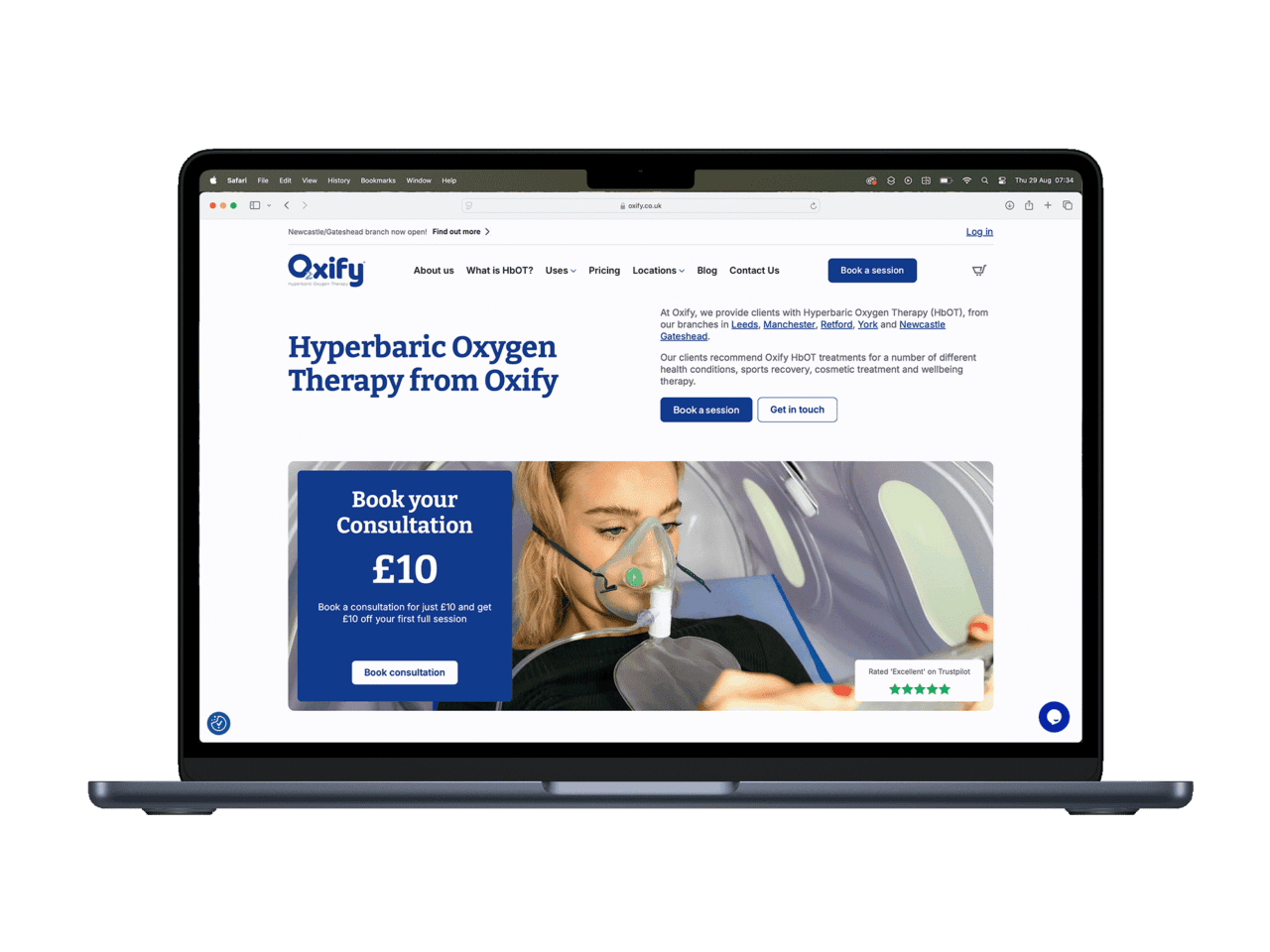
Oxify Hyperbaric Oxygen Therapy website on laptop screen.

Related Posts

Let's be friends.

Sign up to hear from us—no spam, just helpful web tips and updates.

Say hello!

hello@pixelish.co.uk +44 (0) 1302 315 156
4 Cavendish Court, Doncaster, DN1 2DJ