Cost of Website Build Guide: What to Expect in 2026

Author Pixelish
Published January 7, 2026

Wondering about the cost of website build in 2026? You are not alone. As digital investments continue to rise, many businesses are facing an evolving market with new challenges and opportunities.

This guide is here to demystify the cost of website build for 2026. Our goal is to help you plan your budget confidently and steer clear of hidden fees that can catch you off guard.

Inside, you will discover the main factors influencing website costs, current industry trends, practical budgeting tips, advances in technology, and advice for choosing the right provider.

Ready for clarity? Let us guide you through the changing landscape so you can make informed decisions and maximise your digital investment.

Key Factors Influencing Website Build Costs in 2026

Understanding the cost of website build in 2026 requires a close look at the core factors that drive pricing. From project complexity to ongoing support, each element plays a significant role in shaping your final investment. Below, we break down these key factors to help you plan with clarity and confidence.

Key Factors Influencing Website Build Costs in 2026

Complexity and Type of Website

The complexity of your project is the single biggest driver of the cost of website build. A simple brochure site typically ranges between £2,000 and £5,000, suitable for businesses needing a professional online presence without advanced features. E-commerce sites, with payment gateways and inventory management, often start at £4,000 and can exceed £10,000.

Membership platforms and custom web apps demand even more investment due to bespoke logic, user accounts, and integrations. More features—such as booking systems or chatbots—require extra design, development, and testing hours, pushing up costs. Industry data from 2024 shows e-commerce projects cost 25–40% more than equivalent brochure sites.

For a more detailed breakdown of pricing by website type, see this Website design pricing guide.

Design and User Experience Requirements

A bespoke design tailored to your brand can elevate your site but also increases the cost of website build. While template-based designs offer affordability, custom UI/UX solutions often add 20–30% to the total investment.

Responsive, mobile-first layouts are now the expected standard in 2026, ensuring your site performs seamlessly across devices. Accessibility is not just a nice-to-have but a legal requirement, demanding extra attention during the design phase. Investing in professional design aligns your site with your brand and boosts conversion rates, making it a wise allocation of resources.

Content Creation and Migration

Quality content remains at the heart of the cost of website build. Professional copywriting, high-resolution imagery, and video production can add anywhere from £500 to £3,000, depending on scope and quality.

Migrating content from an existing site, or restructuring for a new platform, also adds to the overall cost. SEO-ready content is essential for visibility, requiring keyword research and on-page optimisation from the outset. Allocate time and budget for content planning to avoid delays and additional expenses later.

Integrations and Third-Party Tools

Modern websites rarely operate in isolation, and the cost of website build reflects the need for integrations. Whether you require a CRM system, payment gateway, or marketing automation, each third-party tool adds complexity and cost.

Custom API integrations are more expensive than off-the-shelf plugins, often adding £1,000 to £5,000 to the budget. Do not overlook ongoing subscription fees for essential tools and services, which can impact your operating costs long after launch.

Hosting, Security, and Ongoing Support

Reliable hosting and robust security are critical components of the cost of website build. You can choose between managed hosting—where updates, backups, and security are handled for you—or self-hosted solutions that require more hands-on management.

SSL certificates, daily backups, and security monitoring are must-haves for protecting your investment. Ongoing support and maintenance plans typically range from £40 to £300 per month, ensuring your site remains up to date and secure. Investing in quality hosting also improves website performance and SEO, safeguarding your digital presence.

2026 Website Cost Benchmarks: What the Market Says

Curious how the cost of website build compares across the UK in 2026? Transparent benchmarks are essential for effective budgeting and avoiding surprises. This section breaks down current price ranges, regional trends, cost structures, pricing shifts, and real-world examples to help you understand what to expect when planning your next digital investment.

2026 Website Cost Benchmarks: What the Market Says

Average Price Ranges by Website Type

Understanding the cost of website build starts with knowing typical price brackets for different site types. In 2026, agency-built brochure websites average between £3,500 and £7,000, while e-commerce sites range from £6,000 to £15,000 or more. Custom web applications can exceed £20,000 depending on features and scope.

Website TypeAverage Cost (2026)
Brochure£3,500 – £7,000
E-commerce£6,000 – £15,000+
Custom Web App£20,000+

Freelancers often offer competitive rates, but agencies provide broader expertise. DIY platforms may seem cost-effective, yet hidden costs can accumulate. For a detailed comparison of packages and inclusions, see Website packages and pricing options.

Regional and Industry Variations

The cost of website build can fluctuate significantly depending on your location and industry. London-based agencies typically charge a premium, with prices 20–30% higher than regional counterparts. Outsourcing internationally can reduce costs, but may impact communication or compliance.

Industry-specific requirements also influence pricing. For example, healthcare and legal websites must meet strict regulatory standards, raising costs by 15–25%. E-commerce and finance sectors often demand advanced security and integrations, further increasing the project budget.

Niche industries benefit from providers with relevant experience, which can justify higher investment for peace of mind. Always assess how regional rates and industry needs affect your overall website budget.

Breakdown of Typical Cost Components

A clear breakdown of the cost of website build helps you plan and prioritise spending. Most projects are divided into these components:

  • Planning and discovery: 10–15%
  • Design and UX: 20–30%
  • Development: 40–50%
  • Testing and QA: 10–15%
  • Launch and training: 5–10%

Hidden costs can include software licensing, premium plugins, or staff training. For instance, design and development together often account for up to 80% of the total spend. Understanding where your money goes ensures you spot any potential surprises and helps you allocate resources wisely.

Trends Affecting Pricing in 2026

Several trends are shaping the cost of website build in 2026. AI-driven tools are streamlining design and development, leading to potential savings of 10–15% for standard builds. However, as demand for accessibility and security rises, compliance investments are growing.

Ongoing inflation and a shortage of skilled developers may push prices upward. Meanwhile, the need for robust performance and Core Web Vitals compliance is driving investment in optimisation. Businesses should stay informed about these trends to make cost-effective decisions and future-proof their websites.

Case Studies and Real-World Examples

Examining recent projects reveals how the cost of website build varies in practice. A small business brochure site with basic features might cost £4,000, covering design, content, and a year of support. An SME e-commerce project with advanced integrations and SEO could reach £12,000, especially if custom features are required.

Enterprise builds often exceed £25,000, influenced by complex requirements and compliance standards. Lessons from these case studies show that clear scoping, regular reviews, and choosing the right partner are crucial to avoiding overruns and achieving a strong return on investment.

Step-by-Step Guide: Planning Your Website Build Budget

Planning the cost of website build in 2026 requires a structured approach. Whether you are a small business owner or part of a large enterprise, following a clear process helps you stay on track, avoid overspending, and achieve a website that aligns with your goals.

Step-by-Step Guide: Planning Your Website Build Budget

Step 1: Define Your Goals and Requirements

Start your planning by identifying your core business objectives. Are you looking to drive online sales, generate leads, or build brand credibility? The purpose will shape the cost of website build significantly. For example, an e-commerce platform with payment integration will have a different scope than a lead generation site.

List your must-have features and consider future growth. If you anticipate scaling up, factor this into your requirements from the outset. Aligning your website type to your business vision ensures you only invest in what genuinely supports your aims.

Step 2: List Required Features and Integrations

Next, write down all essential and desired features for your website. Separate must-haves from nice-to-haves to keep the cost of website build manageable. Think about third-party integrations such as CRMs, payment gateways, and analytics tools.

Custom features can quickly drive up costs, so prioritise those that deliver real value. Documenting requirements early helps avoid surprises and ensures your budget reflects actual needs, not wishful thinking.

Step 3: Choose the Right Design and Content Approach

Decide whether you need a bespoke design or if a template will suffice. Bespoke designs offer unique branding and tailored user experiences, but templates can reduce the cost of website build. Evaluate your content strategy: will you write content yourself, use in-house resources, or hire an agency?

SEO and accessibility should be built in from the start. For a detailed comparison of business website solutions and how they impact overall cost, review the Business website solutions overview.

ApproachProsConsCost Impact
BespokeUnique, tailored, on-brandHigher cost, longer timelineAdds 20-30%
TemplateFaster, lower costLess unique, limited optionsBudget-friendly

Step 4: Research Providers and Gather Quotes

Explore your options: agencies, freelancers, or website builders. The provider you choose will affect the cost of website build and the level of support you receive. Always review portfolios and client testimonials to assess experience and suitability.

Request detailed, itemised quotes. A transparent proposal should break down costs for design, development, content, integrations, and support. Comparing quotes side by side helps you make informed decisions and avoid hidden fees.

Step 5: Plan for Ongoing Support and Maintenance

Post-launch support is essential for keeping your website secure, updated, and performing well. Maintenance packages can include updates, backups, bug fixes, and performance monitoring. The cost of website build should always include a provision for ongoing support.

Consider what level of support you need. Some businesses require 24/7 monitoring, while others need only basic updates. Investing in reliable support can prevent costly downtime or security incidents.

Typical Support Plans:

  • Basic: Updates, security patches
  • Standard: Updates, backups, monitoring
  • Premium: All above plus priority support and performance tuning

Step 6: Set a Realistic Contingency Budget

No project goes exactly as planned. Scope creep, change requests, and regulatory updates can affect the cost of website build. Set aside a contingency budget—usually 10–20% of the total project value—to absorb unexpected expenses.

For example, adding new features or adapting to compliance changes during development can increase costs. Having a buffer minimises stress and ensures you can address changes without compromising quality or timeline.

Step 7: Track and Review Costs Throughout the Project

Transparency is key to staying within budget. Use project management tools to monitor spending and progress. Schedule regular reviews with your provider to discuss milestones, address issues, and adjust the scope as needed.

Keeping a close eye on the cost of website build at every stage helps you spot potential overruns early. Regular check-ins create accountability and allow you to make informed decisions, reducing the risk of financial surprises.

How Technology and Trends Will Shape Website Costs in 2026

The digital world is changing rapidly, and the cost of website build in 2026 will be shaped by powerful new technologies and evolving industry trends. Understanding these shifts is crucial for anyone budgeting for a website project. Let’s explore the key innovations and forces influencing what you’ll pay, and what you’ll get for your investment.

AI and Automation in Web Development

AI is transforming the cost of website build by automating many routine tasks. AI-powered site builders can generate layouts, content, and even run automated accessibility tests in minutes. This saves both time and money, especially for straightforward projects.

Automated tools streamline content creation and perform quality checks, reducing manual labour. For more complex builds, AI assists developers by handling repetitive coding and testing, freeing up time for more creative work. According to recent insights, AI reduces repetitive build tasks by up to 30 percent, directly impacting project budgets.

If you want to dive deeper, discover how AI web development can cut your business costs by 50% in 2025. As AI advances, expect smarter tools to play a bigger role in the cost of website build in 2026.

The Rise of No-Code/Low-Code Platforms

No-code and low-code platforms are changing the cost of website build, especially for SMEs and startups. These platforms allow users to launch functional sites without writing code, making web development more accessible and affordable.

For simple brochure sites or landing pages, no-code solutions can cut costs dramatically. Builds can start from as little as £1,000 to £3,000, much lower than traditional development. However, the trade-off is limited flexibility for custom features or unique user experiences.

For businesses needing advanced integrations or bespoke designs, custom development may still be necessary. When budgeting, weigh the initial savings of no-code platforms against long-term scalability needs in your cost of website build plan.

Enhanced Security and Compliance Demands

Security and compliance are top priorities for any cost of website build in 2026. New regulations, such as updated GDPR rules and stricter accessibility standards, are driving increased investment in robust security features.

Websites now require SSL certificates, regular backups, and active monitoring as standard. Compliance with accessibility and data privacy laws can add 10 to 20 percent to overall project costs, especially in regulated industries like healthcare or finance.

Ignoring these demands can lead to fines or reputational damage. Factoring security and compliance requirements into the cost of website build early helps avoid unexpected legal and technical challenges down the line.

Performance and Core Web Vitals

Website performance is a non-negotiable factor in the cost of website build for 2026. Google’s Core Web Vitals set higher standards for speed, user experience, and mobile responsiveness. Sites that fail to meet these metrics risk losing up to 15 percent of their organic traffic.

Optimising for performance requires investment in quality hosting, efficient coding, and ongoing monitoring. While these improvements may increase upfront costs, they pay off through better SEO, higher conversion rates, and a smoother user journey.

When planning your cost of website build, prioritise performance from the start to stay competitive and visible online.

Sustainability and Green Hosting

Sustainability is becoming a key consideration in the cost of website build. Eco-friendly or green hosting options are in demand, as businesses seek to reduce their digital carbon footprint and appeal to environmentally conscious customers.

Green hosting providers use renewable energy, efficient servers, and carbon offsetting. This commitment to sustainability can add 5 to 10 percent to annual hosting costs, but it demonstrates corporate responsibility and can enhance brand reputation.

Including green hosting in your cost of website build not only helps the planet but also aligns your business with future-focused values.

Choosing the Right Website Partner in 2026

Selecting the right partner is one of the most critical steps when considering the cost of website build. Your choice affects not only your initial investment but also your site's future performance, scalability, and ongoing support. In 2026, the landscape is more competitive and nuanced than ever, making due diligence essential.

Agency vs. Freelancer vs. DIY: Pros and Cons

When weighing the cost of website build, compare agencies, freelancers, and DIY platforms. Agencies offer end-to-end service, a team of specialists, and robust support. Freelancers can be more cost-effective and agile but may lack scalability or dedicated support. DIY platforms provide a budget-friendly entry point, yet often limit customisation and long-term growth.

OptionExpertiseSupportTypical Cost RangeScalability
AgencyHighOngoing£3,500–£15,000+Excellent
FreelancerModerate-HighLimited£1,500–£8,000Moderate
DIYBasicMinimal£500–£3,000Limited

Recent research, such as the Web Development Cost in 2025: A Complete Breakdown, shows agencies generally deliver greater value for complex projects, while freelancers and DIY tools suit simpler needs. Weigh these factors against your business goals and the total cost of website build.

Evaluating Portfolios and References

Reviewing a provider’s portfolio is vital in assessing their suitability for your cost of website build. Look for recent examples relevant to your industry and project type. Strong portfolios demonstrate technical ability, creativity, and an understanding of user experience.

Pay special attention to case studies and client testimonials. These highlight real-world results and ongoing relationships. Red flags include a lack of recent projects, unclear outcomes, or missing references. Directly contact previous clients for honest feedback on working style and post-launch support. This approach ensures your investment in the cost of website build is well-placed.

Understanding Proposals and Contracts

Understanding the fine print is essential for managing the cost of website build. Proposals should outline scope, deliverables, timelines, and payment schedules. Insist on clear definitions of what is included and excluded, especially regarding revisions and additional features.

A well-structured contract protects both parties, preventing scope creep and hidden charges. Request a detailed breakdown of costs and confirm how change requests are handled. Transparent terms help you avoid unexpected expenses and ensure the cost of website build remains within budget.

Why Choose Pixelish for Your Website Build?

Pixelish stands out for its bespoke WordPress solutions, transparent pricing, and ongoing support. Their packages start at £2,500 for a Starter site, £4,000–£6,000 for E-commerce, and £6,000+ for Enterprise builds, ensuring you know the exact cost of website build upfront.

Cost of Website Build Guide: What to Expect in 2026 - Why Choose Pixelish for Your Website Build?

Clients benefit from 100% ownership, green hosting, and direct access to senior developers. Pixelish’s focus on performance means every site is optimised for 90+ PageSpeed and Core Web Vitals compliance. With proven expertise in Doncaster and across the UK, Pixelish delivers results for SMEs and enterprises looking to maximise the value of their cost of website build.

Key Questions to Ask Potential Providers

Before committing, ask targeted questions to clarify the true cost of website build and avoid surprises:

  • How do you handle support, maintenance, and updates?
  • What’s included and excluded in your quote?
  • Can you provide timelines and examples of similar projects?
  • What is your process for revisions and feedback?
  • Is post-launch support included?

These questions ensure you understand the provider’s process and support, helping you safeguard your investment in the cost of website build. Informed decisions today lead to fewer headaches tomorrow.

Hidden Costs and How to Avoid Them

Building a website in 2026 involves more than the upfront quote. Many businesses underestimate the true cost of website build projects by overlooking hidden expenses. Understanding these additional charges is essential if you want to avoid budget surprises and keep your project on track.

Commonly Overlooked Expenses

Many hidden charges can push the cost of website build projects beyond initial estimates. Below is a summary of the most common overlooked expenses:

ExpenseTypical Cost (Annual)Notes
Plugin renewals£200–£500Essential for security/features
Licensing fees£100–£800Depends on software/tools
Premium integrations£300–£2,000Advanced features
Staff training£100–£1,000Platform or CMS onboarding
Content migration£200–£1,500Moving existing content

For example, annual plugin renewals alone can add £200–£500 to the cost of website build, especially if you rely on premium tools. If you are planning a redesign, reviewing website redesign cost factors can help you anticipate additional expenses often missed at the planning stage.

Scope Creep and Change Requests

Scope creep is a frequent reason the cost of website build rises unexpectedly. Small, unplanned changes might seem harmless but can quickly accumulate. Without a well-defined project scope and a clear change management process, you risk losing control of both timeline and budget.

For instance, adding new features or making design adjustments after the contract is signed can increase the cost of website build by 10 to 25 percent. To avoid this, agree on a detailed project brief and ensure all parties understand the change request protocol before work begins.

Ongoing SEO and Marketing Investments

The cost of website build does not end at launch. Ongoing SEO and marketing are vital if you want your website to perform and generate results. There is a difference between initial SEO setup and continuous optimisation, which often includes content updates, PPC campaigns, and analytics tools.

Ongoing SEO services typically start from £1,000 per month. Neglecting these investments can undermine your long-term digital strategy and reduce the return on your initial cost of website build.

Tips to Stay on Budget

Careful planning helps you control the cost of website build and prevent unpleasant surprises. Use these tips to stay on track:

  • Request detailed, fixed-price quotes with clear breakdowns.
  • Prioritise must-have features and defer nice-to-haves if needed.
  • Schedule regular check-ins with your provider to review progress.
  • Always allow for a 10–20 percent contingency fund.

Regular reviews and transparent communication significantly reduce the risk of hidden costs derailing your project. By staying proactive, you ensure your cost of website build remains within your expectations.

Now that you have a clear view of what influences website costs in 2026—from the complexity of your site and the latest tech trends to the essential support and hidden fees—you're in a much stronger position to budget wisely and avoid surprises. If you're ready to take the next step, why not see how Pixelish can tailor a solution for your business goals? With transparent pricing, local expertise, and a proven results-driven approach, we’re here to help you create a high-performing website that delivers real impact.
Get a quote

Tags:

Let’s build your hassle-free, high-performing website today!

Let’s create a stunning, conversion-focused website for you. We handle design, SEO, and maintenance—so you can focus on growth. Choose the contact option that suits you!
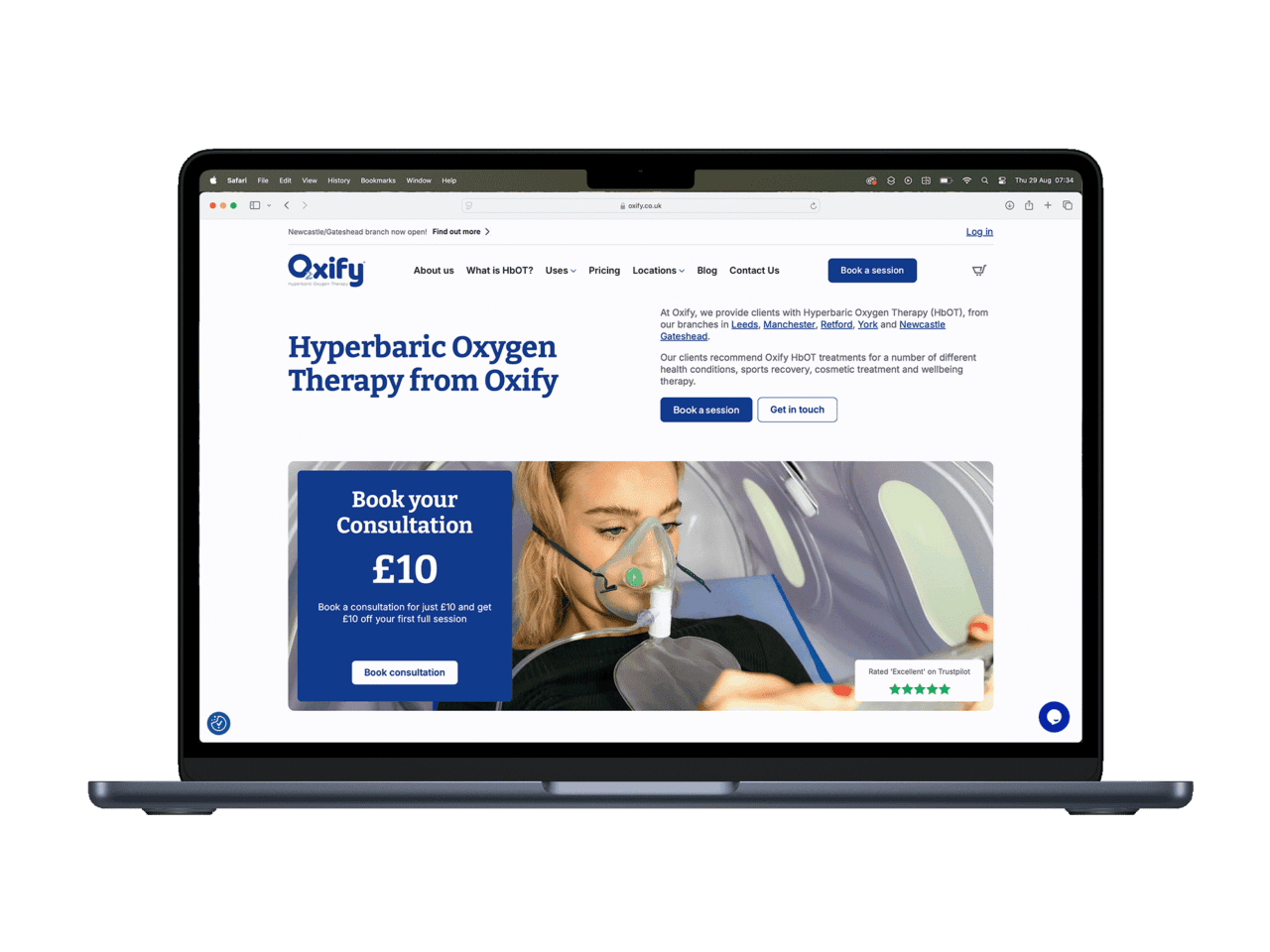
Oxify Hyperbaric Oxygen Therapy website on laptop screen.

Related Posts

Let's be friends.

Sign up to hear from us—no spam, just helpful web tips and updates.

Say hello!

hello@pixelish.co.uk +44 (0) 1302 315 156
4 Cavendish Court, Doncaster, DN1 2DJ