
No products in the basket.

Website Design Website Development Guide for 2026 Success
Master website design website development for 2026 with expert strategies…

In 2026, your website is no longer just a digital business card. It is the beating heart of your brand’s local success, driving real connections and measurable growth in your community.
This guide is your roadmap to mastering website design local strategies that set your business apart. You will discover how to boost visibility, build credibility, and increase customer conversions right where it matters most.
Whether you are a business owner or a marketer, you will gain actionable steps and up-to-date advice for creating a powerful local website presence.
Here is what you can expect: a deep dive into local website design essentials, a step-by-step process for building your site, tips on search and mobile optimisation, branding integration, and the latest future trends. Let’s get started on turning your website into your strongest local asset.
In 2026, the digital landscape is more localised and competitive than ever. Businesses must rethink their approach, making website design local a strategic priority. With consumer expectations rising, the right local website acts as a bridge between digital discovery and real-world engagement.
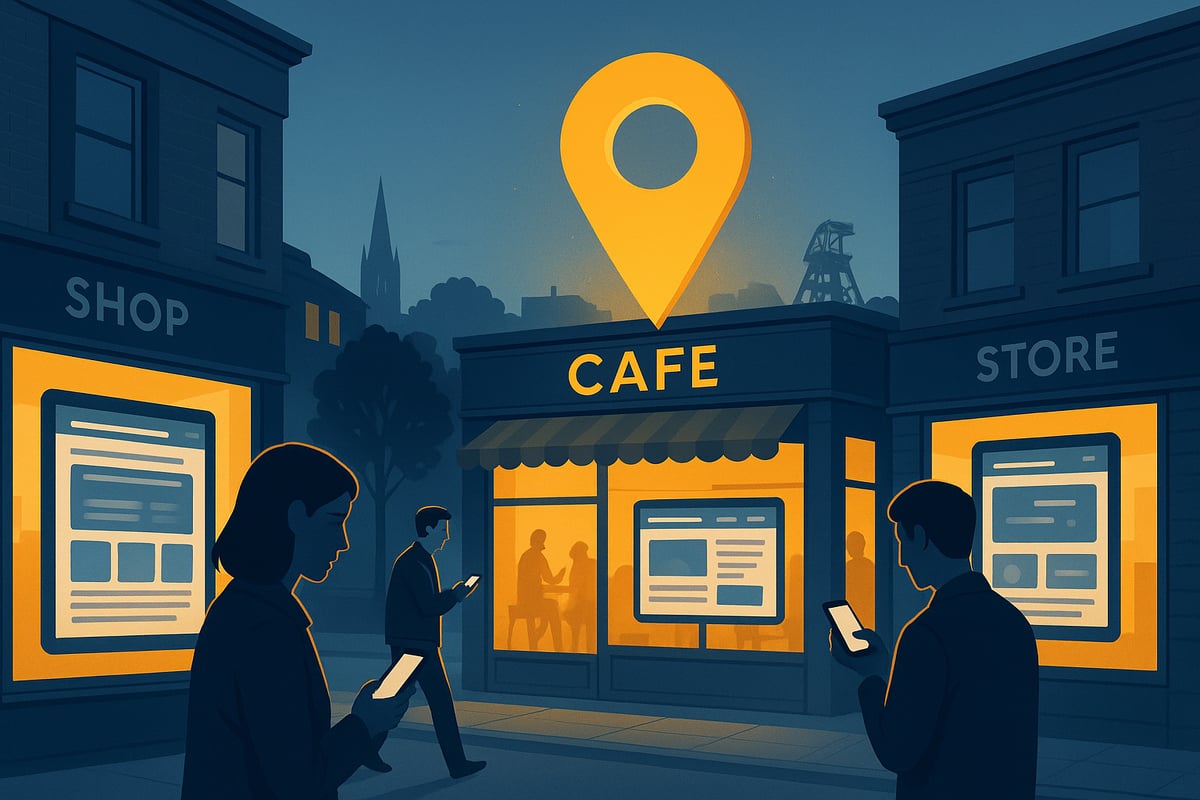
The surge in "near me" searches and local intent is reshaping how customers find and trust brands. According to Local SEO statistics for 2026, 46% of all Google searches now have local intent. Consumers are using their mobiles to find services close to home, and businesses with website design local strategies see double the conversion rates of those without. Mobile-first indexing and local SEO integration are no longer optional but essential for visibility. In fact, 78% of local mobile searches now result in an offline purchase, highlighting the direct impact of a strong local web presence.
A professional website design local approach builds instant credibility. Customers often judge a business by its online appearance before making contact. Consistency between your website, Google Business Profile, and local directories is vital. Trust signals, such as customer reviews and testimonials, are front and centre for local audiences. For example, a Doncaster café recently doubled its bookings after investing in a locally optimised website. The right local website assures visitors they are dealing with a reputable, established business invested in their community.
Standing out in your area starts with website design local expertise. Many competitors still rely on generic or outdated sites, missing the chance to showcase their unique strengths. A tailored local website allows you to highlight your specific services, local knowledge, and community involvement. Integration with local marketing, such as events and special offers, creates memorable touchpoints. Recent data shows that 63% of consumers prefer brands with websites tailored to their local needs, giving you a measurable edge.
Today's consumer journey is multi-touch and highly localised. People research across websites, social media, reviews, and maps before making decisions. A seamless online-to-offline experience starts with effective website design local principles. Personalisation is key, with AI-driven recommendations guiding users to the most relevant services. For instance, a local service provider using chatbots for instant bookings saw a dramatic rise in customer satisfaction and repeat business. The modern local website is no longer a static brochure but an interactive hub connecting all customer touchpoints.
A high-converting website design local approach is more than just visual appeal. It is a strategic blend of user experience, targeted features, and trust signals that drive real results. Here is what every local business should prioritise in 2026.

Every successful website design local project starts with the basics. Clear contact details, including address, phone number, and email, should be prominent on every page. Click-to-call functionality and integrated maps make it effortless for local customers to get in touch or visit.
Prominent calls-to-action (CTAs), such as 'Book Now', 'Get a Quote', or 'Visit Us', must stand out above the fold. For example, a plumber’s site with an instant quote tool can drastically improve lead generation.
For inspiration and tailored solutions, explore Local website design services Doncaster, where features are crafted for conversion and local engagement.
With mobile traffic exceeding 65 percent in 2026, website design local efforts must prioritise responsive layouts. Your site should adapt seamlessly to any screen size, ensuring a consistent experience on mobiles, tablets, and desktops.
Fast load times are critical. Google reports that 53 percent of mobile users leave sites taking longer than three seconds to load. Prioritise compressed images and streamlined scripts.
Accessibility is non-negotiable. Adhering to WCAG 2.2 standards and preparing for voice search ensures everyone can interact with your site, regardless of ability.
A website design local strategy is incomplete without robust SEO foundations. Use schema markup to help search engines understand your business and location. Create unique landing pages for each service and location you serve.
Integrating your Google Business Profile is essential, helping your site appear in local packs and on Google Maps. Businesses using local schema see up to 30 percent more search impressions, making this a must-have for visibility.
Trust is at the heart of every website design local project. Showcase genuine local photos, team bios, and your involvement in the community to humanise your brand. Up-to-date testimonials, Trustpilot badges, and Google reviews act as social proof, reassuring customers.
For instance, an accountant’s website with a “Meet the Team” section and local awards can set the business apart from faceless competitors.
Security and compliance underpin customer confidence in any website design local solution. Ensure your site has an SSL certificate, complies with GDPR, and features a clear privacy policy.
All forms should be secure, with robust data handling practices. Remember, 85 percent of users will not interact with an unsecured website, making these elements essential for conversion.
Creating a standout website design local to your area requires a clear process. Here, we break down each step to help you build a site that delivers results for your business in 2026.
Start by clarifying your local brand’s mission and audience. Who are your ideal customers? What problems do they face, and how can your services solve them? Set specific, measurable objectives, such as increasing bookings, leads, or foot traffic.
Consider practical targets. For example, a restaurant might aim to boost online reservations by 30% within six months. Define unique selling points relevant to your community. Budgeting is crucial at this stage, so explore resources like How much does a website cost in Doncaster? for clear expectations.
By starting with a focused website design local strategy, you ensure every decision supports your business goals.
Next, research your competitors’ websites. Identify what works in your local market and where others fall short. Use tools like Semrush to analyse local keywords and discover gaps in content or features.
Create a simple table to compare competitors:
| Feature | Your Site | Competitor A | Competitor B |
|---|---|---|---|
| Mobile Optimised | Yes | No | Yes |
| Booking System | Yes | Yes | No |
| Local Reviews | Yes | No | No |
This approach to website design local ensures you spot missed opportunities, such as missing CTAs or outdated content, allowing you to position your brand more effectively.
A well-organised site map is vital for website design local projects. Map out dedicated pages for each location or service you offer. Plan user journeys for different customer types, ensuring easy navigation.
For multi-location businesses, dynamic location pages help personalise the experience. Think about how visitors move from your homepage to booking or contacting you. Use logical menus and clear paths, making it simple for users to find information relevant to their area.
A strong structure supports both SEO and usability, setting the foundation for a successful site.
Design your website design local project for both impact and ease of use. Use imagery that reflects your neighbourhood, such as local landmarks or your own team. Select colours and language that resonate with your community.
Place calls to action and contact details prominently, ideally above the fold. Features like live chat or WhatsApp integration allow for instant support, creating a seamless experience for local visitors. Real-time engagement tools make it easier for customers to connect and convert.
Prioritise features that drive interaction, making your site a local hub.
High performance and robust security are essential for any website design local effort. Choose reliable, fast hosting with servers close to your area, improving load times for local users. Implement caching, optimise images, and use security plugins to protect data.
Regular vulnerability scans and updates keep your site safe from threats. Always use SSL certificates and comply with privacy regulations. Secure contact forms and clear privacy policies build trust with your audience.
By developing with performance and security in mind, you ensure both speed and peace of mind for your users.
Optimising your website design local project for search and mobile is critical. Use on-page SEO techniques, like meta titles featuring your location and targeted keywords. Test your mobile user experience with real devices and run speed audits to ensure fast loading.
Integrate Google Maps, schema markup, and review widgets to improve local visibility. These steps help your business appear in local search results and attract mobile users, who now make up the majority of local website visitors.
Strong local SEO ensures you are found by the right audience at the right moment.
Before you go live, review a pre-launch checklist: test forms, check all links, and confirm your site looks great on every device. Set up Google Analytics and Search Console to monitor traffic and performance.
Track conversions and user behaviour to see what works. Use A/B testing to compare changes and gather user feedback for ongoing improvements. This data-driven approach to website design local guarantees your site stays effective as customer needs evolve.
Continuous tracking and optimisation turn your website into a powerful business tool.
Pixelish, based in Doncaster, specialises in custom website design local businesses can trust. With over 50 WordPress sites delivered in the last six months, we offer services from bespoke design to WooCommerce stores and SEO.
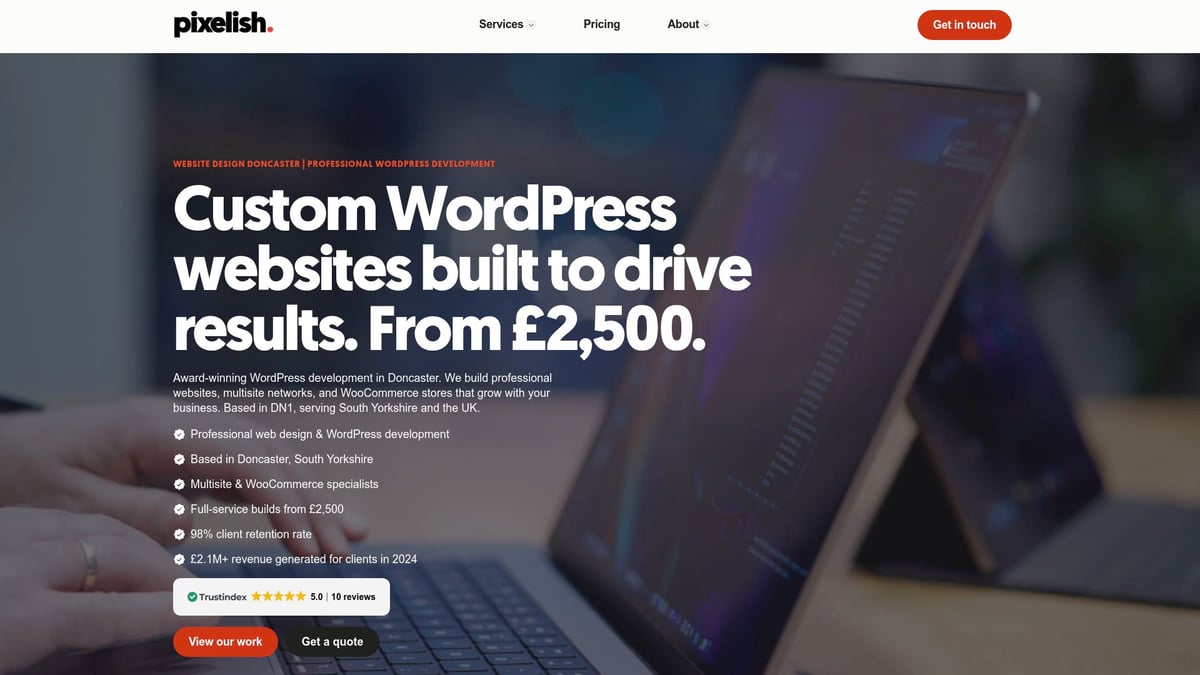
Our team has helped generate over £2.1 million in revenue for clients in 2024. We provide flexible support, from self-managed sites to fully managed care plans. Local expertise ensures your site stands out in South Yorkshire and beyond.
Choose a transparent process, client training, and measurable outcomes with Pixelish.
Optimising your website design local is essential for standing out in 2026’s competitive digital landscape. Success is no longer about simply being online; it’s about delivering a seamless, fast, and locally relevant experience that search engines and users value. Let’s break down the strategies that will help your business thrive.
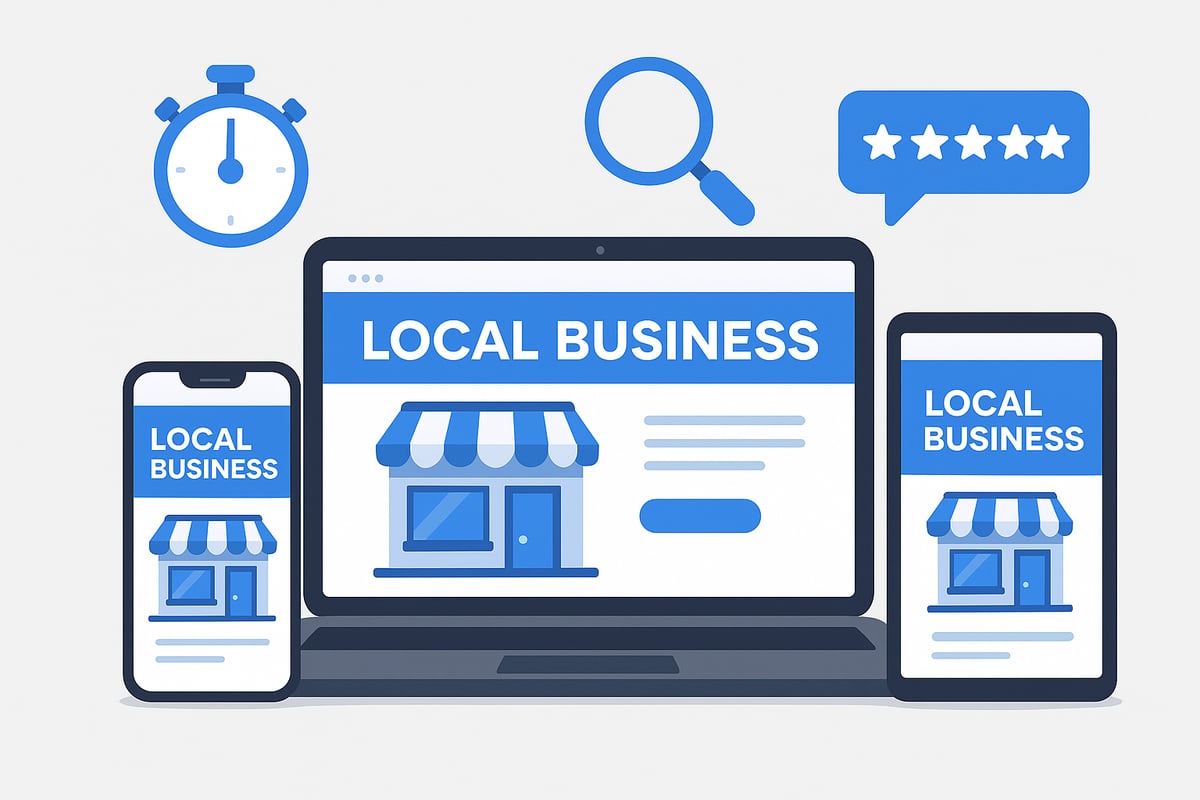
A robust website design local approach begins with advanced local SEO. Hyperlocal keyword research ensures your site appears for searches like “best Doncaster bakery near me.” Building high-quality local backlinks from directories, partnerships, and local news boosts authority. Content clusters tailored to neighbourhoods or services help search engines connect your expertise to local intent.
Regularly updating your blog with local news or events signals activity and relevance. For step-by-step tactics, explore Local SEO and search engine optimisation for proven methods to increase local visibility. Ranking in the local 3-pack can transform your lead generation, especially when your website design local supports every stage of the customer journey.
Fast load times are non-negotiable for website design local success in 2026. Google’s Core Web Vitals measure key aspects like loading speed, interactivity, and visual stability. Sites that meet these standards enjoy lower bounce rates and higher conversions.
Optimise images, leverage browser caching, and choose high-performance hosting. Tools such as Lighthouse, PageSpeed Insights, and GTmetrix allow you to monitor and enhance your site’s speed. Speed not only improves user experience but also signals trust and professionalism, making your business more appealing at the local level.
With over 70% of local searches starting on mobile, a mobile-first website design local strategy is critical. Responsive layouts ensure your site looks perfect on every device. Touch-friendly buttons, large call-to-action areas, and minimal pop-ups make navigation effortless for users on the go.
Consider AMP alternatives or progressive web apps for even smoother experiences. A mobile-optimised website design local not only attracts more visitors but also keeps them engaged, driving more bookings and store visits from your local audience.
Local reviews are powerful trust signals in website design local. Integrate automated review widgets from Google or Trustpilot directly on your pages. Use schema markup to display review stars in search results, boosting click-through rates.
Showcase recent testimonials alongside real photos of your team or business. For example, a retailer featuring glowing local reviews can see a direct increase in foot traffic and online conversions. Social proof reinforces your credibility, encouraging more users to choose your brand.
Continuous improvement is vital for any website design local project. Set up Google Analytics and Search Console to monitor local traffic, conversions, and user behaviour. Use heatmaps and session recordings to spot friction points or popular areas.
Regular A/B testing of calls to action, forms, and content layouts can reveal what resonates best with your community. Review performance data monthly, adjusting your strategy to stay ahead in the evolving digital landscape. This proactive approach ensures your site remains a top performer in your local market.
Creating a strong local brand presence through your website is vital for standing out in today's competitive landscape. The right website design local strategy will help you connect with your community, build trust, and inspire customer loyalty. Every touchpoint on your website should reinforce who you are, where you belong, and why your business matters locally.
Consistency is the cornerstone of effective website design local branding. Ensure your logo, colour scheme, and typography reflect your area's personality. For example, a boutique shop in Doncaster might incorporate the town's skyline or iconic colours into banners and backgrounds.
| Branding Element | Local Example | Impact on Users |
|---|---|---|
| Logo | Doncaster skyline motif | Instant local recognition |
| Colour Palette | Doncaster Rovers red | Emotional connection |
| Imagery | Local landmarks | Community engagement |
Keep these elements uniform across every page. This reinforces your identity and makes your website memorable to visitors seeking local expertise.
People want to know the faces and stories behind local businesses. Use your About Us page to share your history, introduce your team, and highlight community involvement. Sponsorships, charity work, and local awards show genuine investment in your area.
According to Local SEO statistics and trends, 55% of users trust brands more when they see authentic local stories. Featuring customer testimonials and visual proof of your contributions is a website design local best practice that builds lasting trust.
Personalising your website for local visitors sets you apart. Dynamic content, such as displaying the nearest branch or customising offers by postcode, makes users feel seen. Announce local events, news, and exclusive deals right on your homepage.
A well-executed website design local approach for multi-location businesses ensures every visitor receives relevant, location-specific information instantly. This level of personalisation can significantly boost engagement and conversion rates among community members.
Your website should bridge the gap between online and offline experiences. Embed local social media feeds to showcase real-time updates, customer interactions, and event highlights. Promote upcoming workshops or meetups directly on your site.
This integration demonstrates that your business is active and connected, a key element of successful website design local strategies. It also encourages visitors to engage with your brand both digitally and face-to-face.
Staying ahead in website design local means anticipating the trends that will shape your customer experience. In 2026, innovation is accelerating, and local businesses must adapt quickly to remain competitive. The following future-facing strategies will help you prepare for the next wave of digital transformation. For a comprehensive overview of emerging features and packages, see this guide to website design trends and packages for local businesses.
Artificial intelligence is revolutionising website design local by delivering smarter, more tailored experiences. AI-driven chatbots now provide instant local support, answering customer queries and guiding them through bookings in real time. Automation tools manage appointment scheduling, send reminders, and adapt content based on user behaviour. Personalised recommendations, triggered by browsing history or location, increase engagement and conversions. In 2026, businesses who harness AI will set themselves apart, offering a seamless, highly relevant journey for each visitor. Embracing these advancements ensures your website design local strategy remains adaptable and competitive as technology evolves.
Voice search is rapidly reshaping website design local, with more users relying on conversational interfaces for everyday searches. Optimising your content for “near me” queries, natural language, and FAQs is essential. In 2026, 58% of consumers will use voice to find local information, making it vital that your site is easily discoverable through smart speakers and mobile assistants. Implementing conversational content, structured data, and voice-friendly navigation ensures your website design local presence is future proofed. Businesses who cater to voice search will attract more traffic and connect with customers at key decision points.
Sustainability is now a core consideration in website design local, as more consumers seek out eco-friendly businesses. Choosing green hosting providers, displaying certifications, and highlighting sustainable practices on your site can attract environmentally conscious customers. In 2026, local businesses are expected to showcase their carbon-neutral efforts and use digital platforms to share their commitment to the planet. This not only builds trust but also strengthens your brand reputation. Incorporating sustainability into your website design local approach demonstrates leadership and aligns your business with evolving community values.
Website design local is becoming more community-centric, with the growth of local marketplaces and digital platforms. Integration with local directories, forums, and loyalty programmes fosters deeper connections with your audience. Community hubs allow customers to share experiences, access exclusive offers, and participate in local events. In 2026, businesses that leverage these platforms will increase engagement and create long-term relationships. By future-proofing your website design local strategy with marketplace features and interactive elements, you set your brand up for continued success in a rapidly changing digital landscape.
As we’ve explored, a high-performing local website is central to building trust, boosting visibility, and converting visitors into loyal customers in 2026. Whether you’re aiming to refresh your brand’s digital presence or want to stand out from the competition in Doncaster and South Yorkshire, taking that next step can make all the difference. If you’re ready to see how a tailored, results-driven website could elevate your business, we’re here to help. Let’s talk about your goals and how we can bring them to life—simply Get in touch today.


© Copyright 2025, All Rights Reserved by Pixelish