
No products in the basket.

Web Design Team Guide: Strategies for Success in 2026
Discover how to build and lead a successful web design…

Imagine unlocking the full potential of your online presence in 2025, guided by the expertise of a web design consultant. In a rapidly changing digital world, knowing how to stand out is more important than ever.
This guide demystifies the role of a web design consultant and offers a step-by-step roadmap to digital success. Whether you are a business owner or an aspiring consultant, you will discover actionable insights, proven strategies, and the latest trends shaping the industry.
Are you ready to transform your digital strategy and achieve measurable results? Dive in and explore how expert guidance can elevate your business to new heights.
A web design consultant is much more than a creative specialist. In 2025, their role is pivotal for any business seeking to thrive online. By combining technical expertise and strategic vision, a web design consultant bridges the gap between design, development, and business objectives.

Unlike web designers or developers, a web design consultant takes a holistic approach to digital projects. Their responsibilities span from initial strategy and user experience to project management and post-launch analysis.
For example, when an e-commerce site struggles with low sales, a web design consultant assesses UX, identifies friction points, and recommends actionable improvements. They guide teams through design choices, platform selection, and analytics tracking, ensuring business goals remain central.
To better understand their scope, you can explore a website design services overview to see how consulting fits into the broader digital landscape.
A web design consultant must possess a balance of technical and interpersonal skills. Proficiency in HTML, CSS, JavaScript, and responsive design is essential for advising on best practices.
Equally important are soft skills such as clear communication, problem-solving, and client management. Many consultants hold degrees in web development, digital marketing, or design, along with industry certifications like Google Analytics or UX accreditation.
These qualifications enable a web design consultant to offer reliable advice, bridging technical requirements with client needs.
The true value of a web design consultant lies in their ability to drive measurable results. Consultants focus on conversion optimisation, helping businesses achieve up to 30 percent higher conversion rates after a strategic redesign, according to recent industry data.
Real-world case studies show that consultant-led projects often result in increased sales, better user engagement, and stronger brand presence. By aligning design with business objectives, a web design consultant ensures every decision contributes to return on investment.
For businesses, this means improved performance and a clear pathway to digital growth.
A web design consultant engages in a variety of scenarios. These include launching new websites, managing rebrands, and upgrading e-commerce platforms.
Consultants may provide ongoing support or work on a project basis, depending on the client's needs. For example, a small business seeking digital transformation might rely on a web design consultant to oversee every stage, from initial planning to post-launch analysis.
This flexible approach allows consultants to adapt their services, ensuring clients receive the right level of expertise for each project.
Working as a web design consultant involves navigating several challenges. Managing client expectations is crucial, as is balancing creative ideas with business requirements.
Technical hurdles and tight deadlines can arise, but experienced consultants use structured project management and clear communication to overcome them. Effective stakeholder engagement, regular updates, and transparent reporting help build trust and keep projects on track.
By anticipating obstacles and offering practical solutions, a web design consultant delivers value even in complex environments.
Unlocking digital success as a web design consultant relies on mastering a proven consulting process. Each step is crafted to ensure every client receives tailored solutions, measurable results, and a seamless journey from vision to launch.
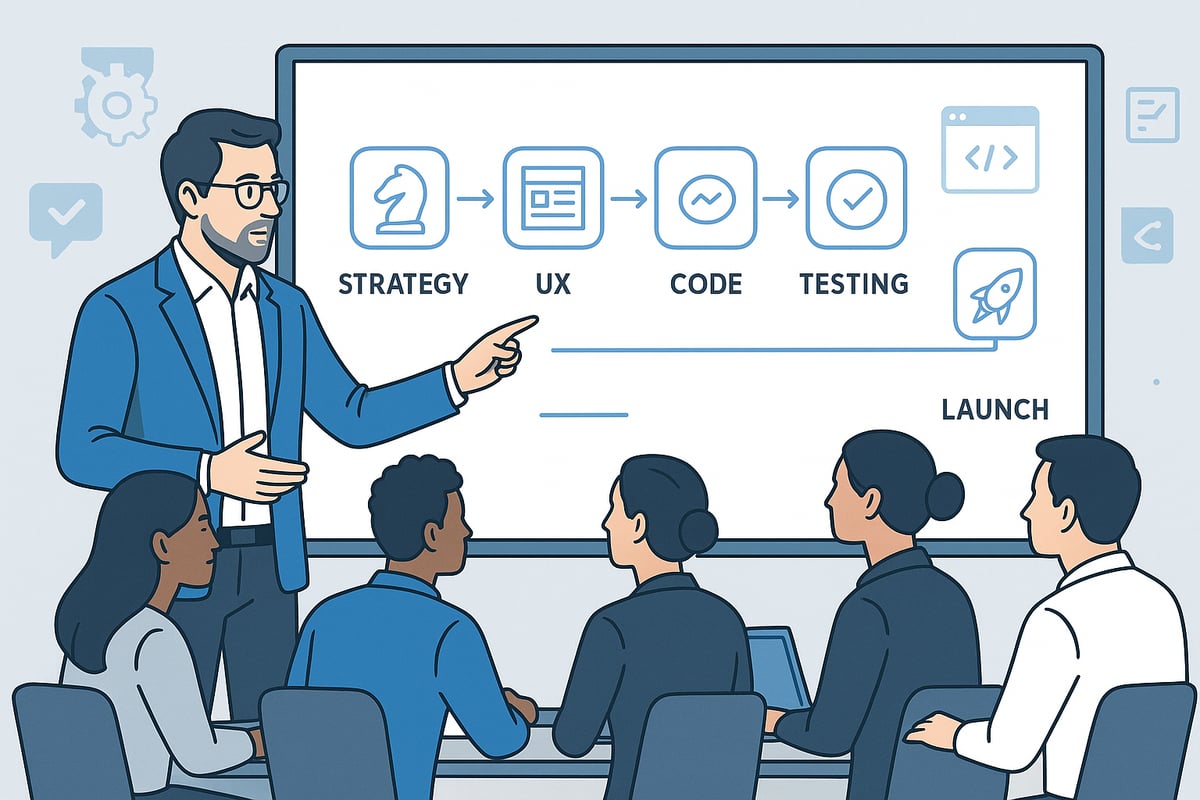
The first step for any web design consultant is a thorough initial consultation. This stage sets the foundation by clarifying business objectives, understanding the target audience, and identifying unique challenges.
During discovery meetings, the web design consultant will:
A typical needs assessment checklist includes current site audit, content evaluation, and identifying technical requirements. By mapping out these insights, the web design consultant ensures every decision supports the client’s long-term vision.
With clear requirements in hand, the web design consultant crafts a bespoke strategy aligned with business goals. This involves selecting the right technology stack, such as WordPress or Shopify, and defining user journeys.
Strategic planning incorporates market research and data-driven insights from analytics tools. The web design consultant uses these findings to recommend design approaches, content structures, and scalable solutions. By aligning creative ideas with measurable business objectives, consultants deliver actionable plans that drive results.
User experience sits at the heart of every successful project. The web design consultant leads the UX phase by creating wireframes, interactive prototypes, and comprehensive user journey maps.
Accessibility and mobile-first design are prioritised to ensure inclusivity and optimal performance across devices. For example, improvements like streamlined navigation and clear calls to action often reduce bounce rates. By championing user-centred design, the web design consultant transforms client websites into intuitive, engaging platforms.
Once the strategy and UX are approved, the web design consultant coordinates with developers to bring the vision to life. This phase involves managing timelines, overseeing progress, and embedding SEO best practices from the start.
For example, integrating SEO for website design ensures visibility and higher rankings post-launch. The web design consultant creates a project plan with milestones, balancing technical execution with business objectives. Effective collaboration at this stage streamlines delivery and maximises impact.
Before launch, rigorous quality assurance is essential. The web design consultant oversees cross-browser and device testing, identifying and resolving issues that could affect usability or performance.
Key activities include:
By prioritising thorough testing, the web design consultant guarantees a seamless experience for every visitor, building trust and credibility for the client’s brand.
Launching a new site is more than going live. The web design consultant manages the entire process, from setting up a staging environment to executing a soft launch for select users.
Ongoing monitoring is established using analytics platforms to track user behaviour and site performance. The web design consultant provides post-launch support, addressing issues quickly and recommending continuous improvements. This proactive approach ensures the website evolves alongside business needs.
To demonstrate value, the web design consultant tracks key performance indicators such as traffic, conversions, and user engagement. Regular reporting cycles keep stakeholders informed and highlight areas for optimisation.
A typical monthly performance review template includes:
By systematically measuring outcomes, the web design consultant helps clients make informed decisions and achieve lasting digital growth.
Staying competitive as a web design consultant in 2025 requires mastery of the latest tools and technologies. The right toolkit streamlines workflows, enhances collaboration, and ensures projects meet industry standards. Let’s explore the essential categories every consultant should know.
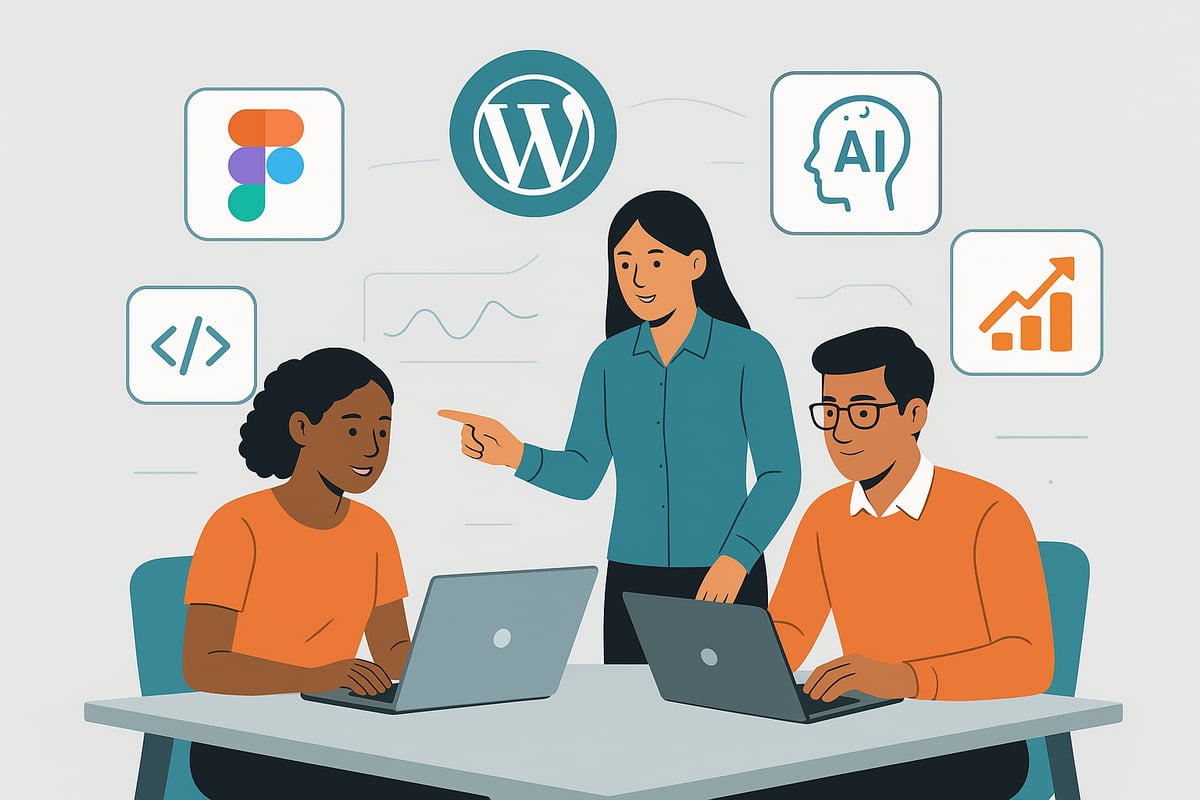
A web design consultant relies on advanced design and prototyping tools for efficient concept development. Figma, Adobe XD, and Sketch all offer robust features for wireframing, prototyping, and interactive mock-ups.
Figma stands out for real-time collaboration, making it ideal for remote teams. Adobe XD integrates seamlessly with other Adobe products, while Sketch remains popular for its simplicity and plugin ecosystem. Consultants often use these platforms to speed up client approvals, as stakeholders can comment directly on designs.
Key features to consider:
Adopting the right tool can significantly reduce revision cycles and improve client satisfaction.
Selecting the right content management system is a crucial decision for a web design consultant. WordPress is the global leader, powering 43% of the web in 2024. Webflow and Shopify are also prominent, each serving different needs.
| CMS | Pros | Cons |
|---|---|---|
| WordPress | Highly flexible, vast plugins | Requires regular updates |
| Webflow | Visual design, no-code | Limited e-commerce features |
| Shopify | E-commerce focused | Monthly fees |
Headless CMS solutions are gaining traction for scalability and customisation. For a deeper dive into market trends and adoption rates, see the Web Design Statistics 2025: Market, UX, SEO. A web design consultant must stay updated to recommend the best fit for client objectives.
Every web design consultant understands that great design must be paired with robust SEO and analytics. Google Analytics 4 offers valuable insights into user behaviour. SEMrush and Ahrefs are essential for keyword research, competitor analysis, and backlink tracking.
Integrating SEO from the outset ensures higher visibility and better rankings. Consultants often use an SEO audit checklist to identify issues before launch, covering meta tags, site speed, and mobile optimisation.
Key tools:
A solid analytics setup supports continuous improvement and measurable success.
Efficient project management is vital for a web design consultant. Tools like Trello, Asana, Slack, and Notion help organise tasks, track progress, and facilitate client communication.
Agile methodologies allow for flexible, iterative development, while Waterfall is suited for projects with fixed scopes. The choice depends on client needs and project complexity.
Comparison table:
| Tool | Use Case | Collaboration Features |
|---|---|---|
| Trello | Task boards | Assignments, comments |
| Asana | Project timelines | Automated reminders |
| Slack | Instant messaging | File sharing, integrations |
| Notion | Documentation | Shared workspaces |
Choosing the right workflow ensures deadlines are met and clients stay informed.
AI and automation are transforming the daily work of a web design consultant. Tools like Adobe Sensei automate image editing and layout suggestions, saving valuable time. Automated testing solutions streamline quality assurance, while AI-driven personalisation engines enhance user experience.
Automation also helps consultants handle repetitive tasks, such as resizing images or generating code snippets. Looking ahead, AI will play an even greater role in personalising website content and optimising conversions.
Embracing these technologies allows a web design consultant to deliver innovative, efficient, and data-driven results.
Strong client relationships are the foundation of every successful web design consultant. Navigating projects with expertise and empathy transforms one-off engagements into lasting partnerships.
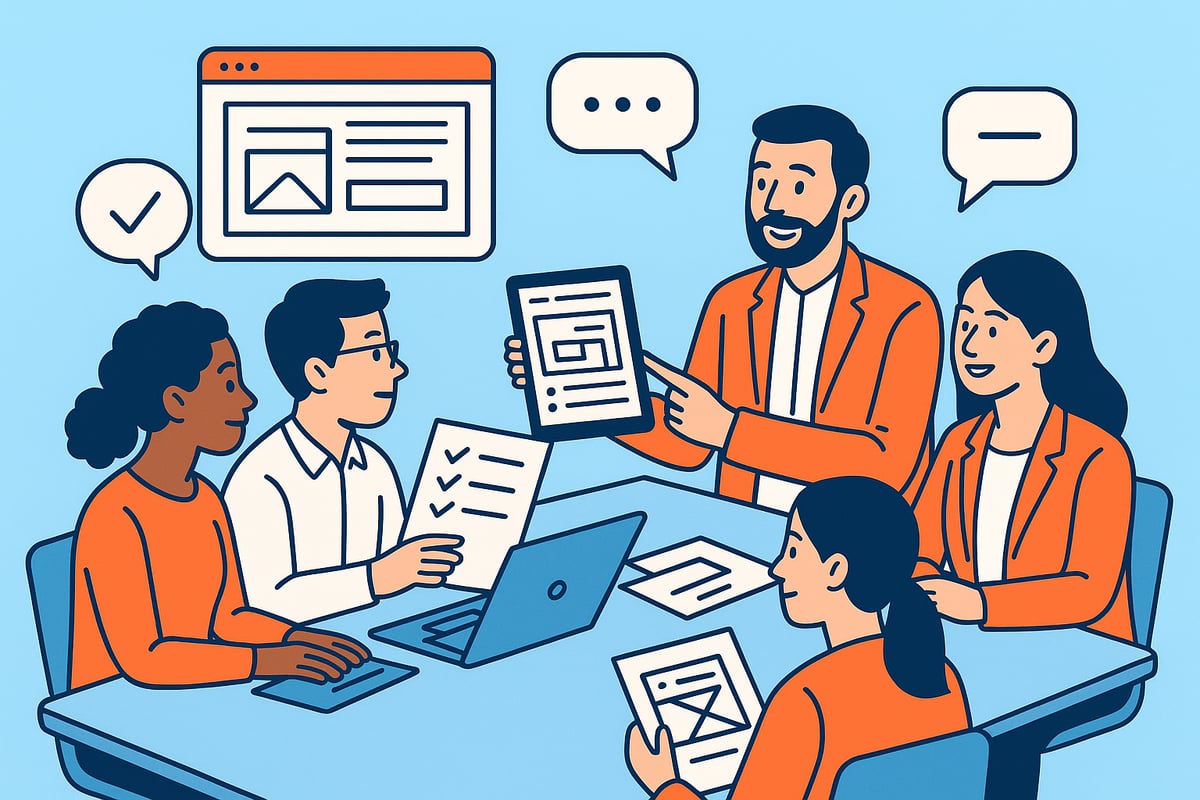
For a web design consultant, clear communication is essential from the first meeting to project delivery. Setting expectations early minimises misunderstandings and builds trust.
Start with a detailed project brief to outline goals, timelines, and responsibilities. Use regular updates, such as weekly progress reports, to keep everyone aligned. Here’s a simple template for updates:
Encourage feedback at every stage. Open channels, like Slack or email, help resolve issues quickly and foster transparency. This approach ensures both parties remain engaged and informed.
An effective web design consultant streamlines client onboarding for a smooth start. Begin with a checklist covering deliverables, access credentials, and preferred communication tools.
Provide training sessions on CMS platforms and analytics tools. This empowers clients to manage content and track performance independently. Consider recording short video tutorials or offering live walkthroughs.
Educating clients reduces post-launch queries and boosts satisfaction. When clients understand their website’s functionality, they feel more confident and invested in the project’s success.
Scope creep is a challenge every web design consultant encounters. Define the project scope clearly in your contract, detailing what is included and what counts as extra.
When clients request changes, use a formal change request process. Document the request, assess the impact on timeline and cost, and communicate adjustments before proceeding.
For example, if a client asks for additional features outside the original agreement, explain how it affects the schedule. Diplomacy and transparency help maintain positive relationships and avoid project delays.
Choosing the right pricing model is crucial for a web design consultant. Options include hourly rates, fixed project fees, or ongoing retainers. Most consultants favour project-based pricing, which offers clarity for both sides.
Here’s a quick comparison:
| Model | Pros | Cons |
|---|---|---|
| Hourly | Flexible, transparent | Harder to predict total cost |
| Project-based | Clear deliverables, fixed | Less flexible for changes |
| Retainer | Ongoing support | May not suit one-off jobs |
For more on budgeting and client planning, see How much does a website cost. Always ensure your contracts specify payment schedules, revision limits, and terms to protect both parties.
A strong portfolio is a web design consultant’s best marketing tool. Showcase before-and-after examples to highlight the impact of your work. Include measurable results, like improved conversion rates or reduced bounce rates.
Gather testimonials from satisfied clients to build credibility. Encourage clients to share specific benefits they gained from your collaboration.
Regularly update your portfolio to reflect your latest skills and achievements. This demonstrates ongoing growth and reassures prospective clients of your expertise.
The digital landscape is evolving rapidly, and a web design consultant must stay ahead of the curve to deliver real value. As 2025 approaches, new trends, tools, and business opportunities are shaping the industry. Understanding these changes is key to remaining competitive and relevant.
In 2025, user preferences are driving web design towards clean, minimalist layouts, dark mode interfaces, and micro-interactions that enhance engagement. According to industry data, 67% of users now prefer simple and intuitive designs, which directly impacts conversion rates and user satisfaction. For a web design consultant, understanding these preferences is crucial for recommending strategies that keep clients ahead.
Staying informed about affordable web design trends helps consultants offer solutions that balance innovation with budget concerns. For example, e-commerce brands are adopting dark mode and interactive elements to improve user retention and boost sales, demonstrating the value of trend adoption.
The surge of no-code and low-code platforms, such as Webflow, Wix, and Squarespace, is transforming how websites are built. These tools enable businesses to launch sites quickly, reducing reliance on traditional development. For a web design consultant, this shift means adapting services to offer guidance on platform selection, customisation, and integration.
Balancing the benefits of templated solutions with the need for custom builds is essential. Consultants can add value by recommending when a no-code platform is suitable and when bespoke development is necessary for scalability or unique branding. This adaptability ensures ongoing demand for expert consulting.
Accessibility is no longer optional, as regulations like WCAG 2.2 set the standard for inclusive digital experiences. A web design consultant must ensure that every project is navigable and usable for all, regardless of ability or device. This includes implementing features such as keyboard navigation, screen reader compatibility, and high-contrast modes.
Improving accessibility not only meets compliance but also broadens a site's audience. Real-world examples show that accessible sites often experience increased traffic and engagement, making accessibility a key differentiator for consultants in 2025.
Sustainability is becoming a core consideration for digital projects. Clients are increasingly seeking eco-friendly hosting, optimised code, and green design practices. Research indicates that sustainable websites load 20% faster, enhancing both user experience and environmental impact.
A web design consultant plays a pivotal role by recommending energy-efficient solutions and promoting digital sustainability. This might involve selecting green hosting providers, optimising images, and streamlining site architecture to minimise resource use. These steps contribute to both business goals and a positive brand image.
The role of a web design consultant is expanding to include services such as digital marketing, SEO, and brand strategy. Offering ongoing support and maintenance packages is becoming standard, as clients seek long-term partnerships rather than one-off projects.
Full-service consultancy enables consultants to drive greater results, integrating web design with broader business objectives. For instance, combining SEO strategy with design recommendations leads to higher visibility and sustained growth, positioning consultants as invaluable business partners in 2025.
As you reflect on the insights and practical strategies we've explored together, remember that building a high performing website is about more than just good design—it's about creating a digital experience that truly connects with your audience and drives results. Whether you're refining your consulting skills or planning your next business milestone, having the right partner can make all the difference. If you're ready to take your web presence to the next level in 2025, I invite you to get in touch and discover how Pixelish can help you achieve your goals.



© Copyright 2025, All Rights Reserved by Pixelish