
No products in the basket.
Website Design Website Development Guide for 2026 Success
Master website design website development for 2026 with expert strategies…

In 2025, your website is your business’s first impression, and it can make or break opportunities. Did you know that 81% of customers search online before making a purchase, and 75% judge a business by its website quality?
With cost-effective solutions like a monthly website now available, building a professional online presence is more accessible than ever. This guide will show you proven strategies for planning, designing, launching, and growing a site that attracts visitors, converts leads, and supports business growth.
Follow this step-by-step resource to ensure your website thrives in the competitive digital landscape of 2025.
A successful website in 2025 begins with a robust plan. Before diving into design or development, you need to set a clear direction. This approach ensures your monthly website not only looks impressive but also delivers measurable results for your business.

Start by defining your ideal audience for 2025. Are you targeting local customers, young digital natives, or national buyers? Create detailed personas to guide content, design, and functionality.
Set measurable business goals. Is your monthly website focused on generating leads, increasing sales, or boosting brand awareness? For example, a local SME may prioritise visibility and contact enquiries, while an e-commerce brand might aim for nationwide transactions.
Remember, 75% of users judge a business by its website quality. Align your website’s purpose with your business objectives to maximise your investment. A clear plan ensures your monthly website is built for your unique goals.
Selecting the best payment model is crucial for your strategy. With a monthly website, you benefit from lower upfront costs, ongoing support, and built-in scalability. Upfront payment models, on the other hand, may offer more ownership but require a larger initial investment and self-managed updates.
| Model | Upfront Payment | Monthly Website |
|---|---|---|
| Initial Cost | High | Low |
| Ongoing Support | Optional | Included |
| Flexibility | Varies | High |
| Commitment | Short-term | Long-term |
Many UK providers offer packages from £44–£199 per month for SMEs. To dive deeper into flexible options, see pay monthly website design options. Consider your cashflow, support needs, and growth plans before making a decision.
To future-proof your monthly website, prioritise essential features. These include:
Think about integrations that support your goals. E-commerce, booking systems, and email marketing tools are common requirements. Leading competitors provide free UK domains, business email, and unlimited CMS changes as standard.
Plan for future integrations, such as AI-driven automation, to keep your monthly website competitive as technology evolves.
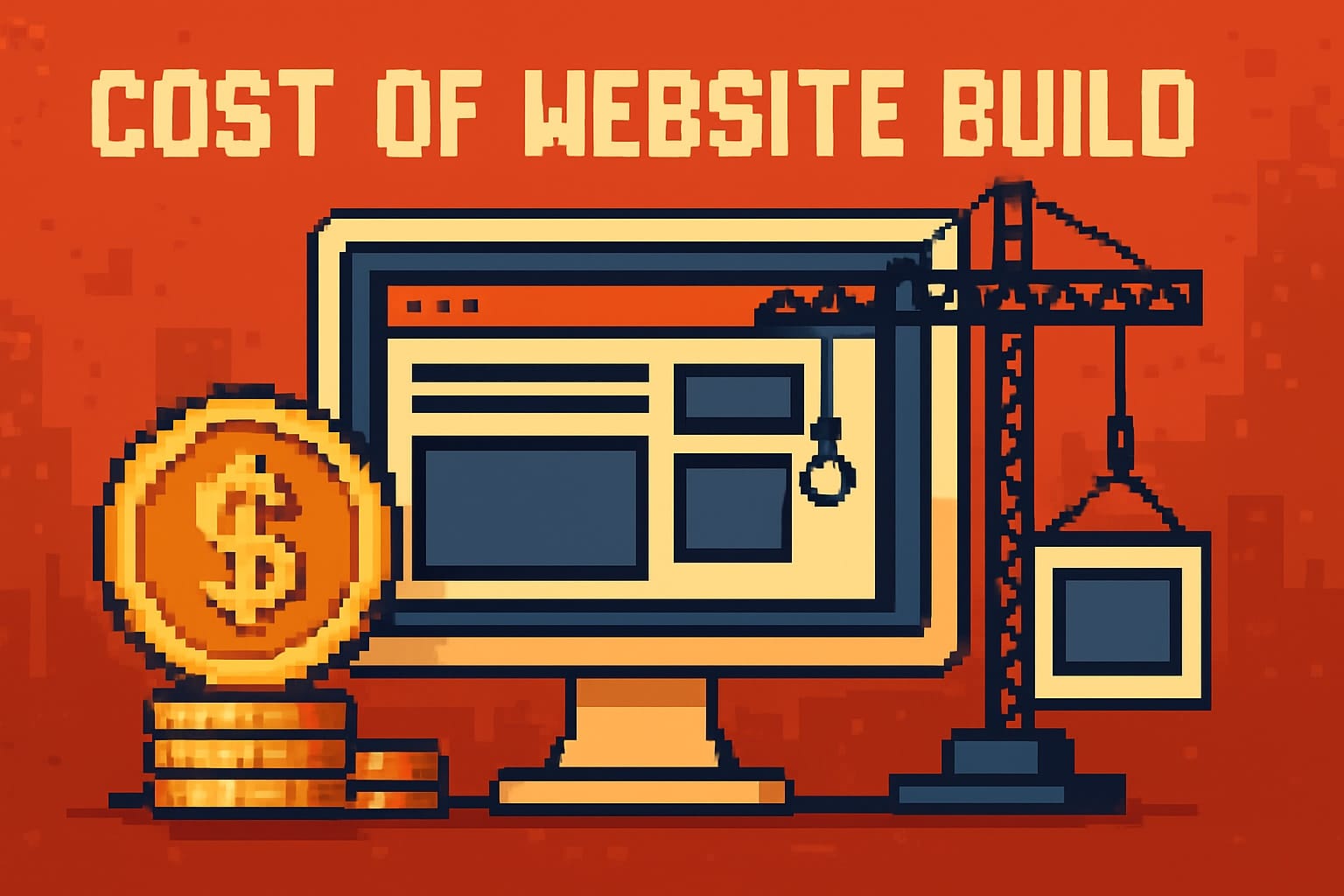
Understanding costs and timelines is key for a seamless project. Monthly website packages typically range from £44–£199 per month, while custom builds may require a larger upfront investment. Expect homepage concepts within 3 days and a full launch in 4–6 weeks from top providers.
Budget for ongoing support, regular updates, and digital marketing. Use tools like project management software to track milestones and ensure timely delivery. Planning ahead helps prevent overspending and missed deadlines, keeping your monthly website on track.
Pixelish delivers bespoke, conversion-focused web design and ongoing support for SMEs in South Yorkshire. Services include custom WordPress sites, e-commerce, multisite networks, and SEO, all tailored for growth and performance.
With transparent pricing and rapid delivery (4–6 weeks), Pixelish combines local expertise with a commitment to long-term results. Their approach ensures your monthly website is designed for your business’s unique needs.
First impressions matter more than ever. The design of your monthly website is what sets the tone for your brand, drives engagement, and influences conversions in 2025. A high-impact website design is not just about aesthetics; it is about crafting an experience that aligns with your business goals and meets the evolving expectations of your audience.
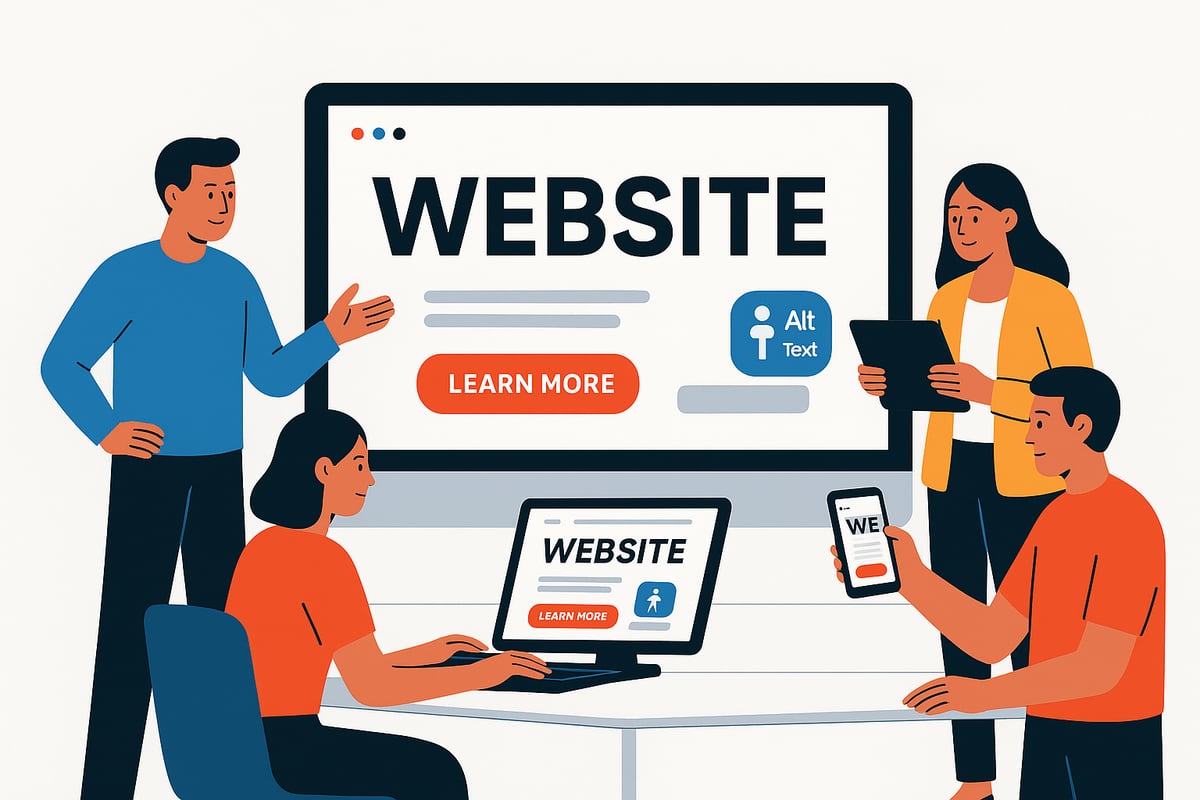
In 2025, the monthly website landscape is shaped by trends that combine clarity with innovation. Minimalist layouts, bold typography, and interactive micro-animations dominate current design thinking. Mobile-first design is now the baseline, with every reputable provider ensuring seamless experiences across devices.
Accessibility and inclusivity are core requirements, not optional extras. Features like high-contrast modes, keyboard navigation, and readable fonts make your monthly website usable for everyone. Many competitors promote industry-leading UX as a key selling point, reflecting how critical these elements have become.
A table summarising 2025 design priorities:
| Trend | Benefit |
|---|---|
| Minimalism | Faster load, clarity |
| Bold Typography | Brand impact |
| Interactive UX | Higher engagement |
| Mobile-First | Universal access |
| Accessibility | Wider audience reach |
A monthly website thrives on persuasive content and visually engaging assets. Conversion-focused copywriting—clear calls to action, concise value propositions, and benefit-driven headlines—keeps users on your site. Consistency in tone and style reinforces your brand identity.
High-quality images and video content are essential. They capture attention and communicate professionalism, especially when placed strategically alongside key messages. Remember, you have about 10 seconds to impress a visitor before they leave, so your monthly website must make every second count.
To boost engagement:
From the start, structure your monthly website to excel in search. Semantic HTML, clear heading hierarchies, and schema markup boost discoverability. On-page SEO essentials—meta titles, descriptions, and alt text—are foundational, with many competitors offering these as standard.
Given that 85 percent of online journeys begin with Google, your website’s architecture must be search-engine friendly. Integrating structured data and following best practices ensures your monthly website stands out in search results. For a deeper dive into optimising your site, review the SEO for monthly websites guide for actionable strategies.
Responsiveness and speed drive both user satisfaction and SEO. Every monthly website should perform flawlessly on desktops, tablets, and mobiles. Speed optimisation tactics—such as caching, image compression, and lightweight code—are now standard.
Competitors often tout proprietary speed technologies and 96 plus page speed scores to differentiate their offerings. A slow or unresponsive monthly website leads to higher bounce rates and lost opportunities. Prioritise performance from the outset to retain visitors and support long-term growth.
Checklist for performance:
Security is non-negotiable for any monthly website in 2025. SSL certificates must be standard, ensuring encrypted data transfer and building user trust. Compliance with GDPR and the inclusion of privacy policies and legal pages are now expected by both users and regulators.
Trust signals—such as verified reviews, testimonials, and partner badges—play a crucial role in establishing your brand’s reputation. Displaying Google Partner or Semrush Partner badges can significantly boost credibility and reassure visitors that your monthly website is a safe and professional choice.
Key trust features:
Building a high-performing monthly website in 2025 requires careful consideration of platforms, content management, integration, scalability, and quality control. Each decision impacts your site's ability to grow and adapt. Here, we break down the essential steps to ensure your build process is smooth, future-ready, and aligned with your business goals.

Choosing the right foundation for your monthly website is critical. WordPress and WooCommerce remain popular for SMEs, offering flexibility and a vast plugin ecosystem. Custom CMS solutions deliver tailored features, while proprietary platforms may provide simplified management for fast-moving businesses.
Consider the unique needs of your project. E-commerce brands may prioritise WooCommerce, while multi-location businesses might require multisite capabilities. Compare scalability, support, and ease of integration. For a detailed walkthrough, explore the Website design and build process to understand each development stage for a monthly website.
An intuitive CMS is a game-changer for any monthly website. It empowers your team to refresh content, update images, and publish blogs without developer intervention. Many providers now offer unlimited changes and advanced user permissions as standard.
Training and clear documentation ensure your staff can manage updates confidently. The ability to make real-time changes keeps your messaging current and your site competitive. Prioritise platforms that support granular control over content, so your monthly website remains agile as your business evolves.
Modern businesses rely on seamless integration between their monthly website and core systems. Connect your CRM, email marketing, booking tools, and payment gateways for efficient workflows. Automation, such as lead capture forms and order processing, saves valuable time and reduces manual errors.
Competitors set up Google Tag Manager for advanced conversion tracking, giving you insight into user behaviour. Planning for AI and automation enhancements ensures your monthly website can adapt to new technologies, supporting ongoing business growth and smarter decision-making.
Your monthly website should grow alongside your business. Look for solutions that allow you to add new pages, features, or even entire locations without rebuilding from scratch. WordPress multisite is ideal for franchises or companies managing several brands under one umbrella.
Internationalisation, multi-language support, and modular design all contribute to future-proofing. Evaluate whether your monthly website provider offers scalable plans and support for the latest web technologies. This ensures your investment remains robust as digital trends evolve.
Before launch, comprehensive testing safeguards your monthly website's performance and reliability. Cross-browser and device testing identify visual or functional issues early. Performance audits check site speed, while security scans flag vulnerabilities.
A thorough SEO review ensures your site is search engine-ready. Competitors promise final quality checks and rapid turnaround, but you should always confirm that your monthly website passes all critical tests. This attention to detail delivers a seamless user experience from day one.
Launching your monthly website is the moment your online presence becomes real to the world. Careful preparation and a structured process are essential for a smooth, impactful launch. Let us guide you through each stage, ensuring your new site delivers the best possible first impression and sets the foundation for growth.

Before your monthly website goes live, a thorough pre-launch checklist is vital. Begin by reviewing every page, image, and link to ensure accuracy and consistency. Confirm that all contact forms, calls to action, and navigation menus function correctly.
Key pre-launch steps include:
Many competitors include automatic submission to major search engines as part of their monthly website packages. This step helps your site start ranking from day one and ensures visibility to new customers.
On launch day, timing and coordination are crucial. Schedule your monthly website launch during off-peak hours to reduce disruption for your business and visitors. Prepare a step-by-step plan covering DNS updates, SSL certificate activation, and final data backups.
A typical go-live process will look like this:
Competitors often promise a rapid launch process with dedicated support, ensuring minimal downtime for your monthly website. Clear communication internally and externally helps everyone know what to expect.
Immediate support after your monthly website launch is essential. In the first hours and days, monitor the site’s uptime, speed, and user feedback. Address any issues quickly to maintain a professional image.
Post-launch support may include:
Many monthly website providers offer 30 days of post-launch support as standard, giving you peace of mind as your audience starts engaging with your new site.
Once your monthly website is live, it’s time to attract visitors. Use a combination of email marketing, social media posts, and press releases to spread the word. Provide incentives like launch discounts or downloadable resources to encourage first-time visits.
Effective launch promotion strategies include:
Competitors often integrate social media and marketing tools within their monthly website packages, making it easy to drive traffic right from the start.
Growing your monthly website is an ongoing journey, not a one-off project. In 2025, success comes from continuous improvement, data-driven decisions, and adapting to digital trends. Let us break down the monthly website growth process into actionable steps, each focused on measurable results and long-term value.
A monthly website thrives on fresh, relevant content and ongoing SEO. Start by publishing new blog posts, updating landing pages, and building resource hubs. Regular updates keep your site visible in search results and engage both visitors and search engines.
Use keyword research to identify topics, then optimise your on-page elements. Monitor analytics to see which content brings in traffic. Monthly website providers often include on-page optimisation and blog management, making it easier to stay competitive.
Remember, 85% of customers start their buying journey on Google, so consistent SEO is non-negotiable for monthly website growth.
Optimising your monthly website for conversions is an ongoing process. Test different headlines, calls to action, and page layouts using A B testing. Use heatmaps and analytics to track how users interact with your site.
Identify bottlenecks in your sales funnel, then make incremental changes each month. Monthly website packages often provide tools for tracking conversions and structured data for analytics.
Case studies show that even small tweaks can lead to more enquiries and sales. Regular conversion reviews ensure your monthly website keeps pace with customer expectations.
AI and automation are transforming how monthly website owners operate in 2025. Integrate AI-powered chatbots for instant support, and use automated email campaigns for lead nurturing.
AI-assisted content tools help you generate new ideas and personalise user experiences. Automation streamlines repetitive tasks, from lead scoring to order processing.
Competitors now offer AI-driven optimisation as part of their monthly website services. Embrace these innovations to boost engagement, reduce manual work, and create a smarter monthly website.
As your business grows, your monthly website should evolve with you. Consider adding e-commerce, booking systems, or membership areas to expand your offerings. Look at scalable admin systems and multisite networks for multi-location or franchise businesses.
Future-proof your site by exploring new technologies such as Progressive Web Apps in 2025, which offer offline access and enhanced user engagement. Monthly website plans make it easy to add features and adapt to changing needs.
Scaling up means planning for multilingual support, new markets, and seamless integrations—ensuring your monthly website is ready for tomorrow.
Trust is essential for any monthly website. Display customer reviews, testimonials, and industry partner badges to build credibility. Highlight your legal compliance, such as GDPR and privacy policies, to reassure visitors.
Regularly update your About page, case studies, and portfolio. Monthly website management lets you showcase client feedback and recent successes.
Competitors often feature 5-star Google reviews and partner badges, which signal authority and reliability. Building trust drives more enquiries and helps your monthly website stand out in a crowded market.
Maintaining your monthly website is just as important as building it. Schedule regular updates for plugins, themes, and security certificates. Perform daily backups and monitor for vulnerabilities.
Monthly website packages typically include unlimited support, advanced security, and proactive maintenance. Compare what is included in your plan using guides like the Website packages and pricing guide.
Decide whether you prefer managed support or in-house management, but always prioritise site health and protection for your monthly website.
Each month, review your monthly website’s analytics reports. Track traffic, conversions, and ROI to see what is working. Use these insights to set new goals and adjust your strategies.
Establish quarterly KPIs, such as increasing leads or improving page speed. Monthly website agencies often provide detailed reports and recommendations for ongoing optimisation.
Celebrated agencies have generated over £2.1M in revenue for clients through continuous improvements. Make data-driven decisions to keep your monthly website on the path to measurable growth.
Selecting the right partner for your monthly website is a decision that can shape your online success for years. With so many providers, features, and packages on the market, it is essential to look beyond surface promises and focus on what truly matters for sustainable growth.
When evaluating a monthly website partner, start by reviewing their track record. Look for client testimonials, industry certifications, and proof of consistent results. Providers with transparent pricing and clear deliverables build trust from the outset. For 2025, sustainability is also key. Ask if your provider embraces sustainable web design practices, such as energy-efficient hosting and eco-friendly builds. Local expertise can offer more personalised support, while national agencies may bring broader resources. Prioritise those with proven retention rates and a commitment to your business goals.
Not all monthly website packages are created equal. Understanding what is included—and what might cost extra—is crucial. Here is a quick comparison:
| Feature | Starter (£44/mo) | Growth (£99/mo) | Premium (£199/mo) |
|---|---|---|---|
| Domain & SSL | Yes | Yes | Yes |
| Hosting | Shared | Fast/Optimised | Premium |
| Support | Email only | Phone & Email | Dedicated Manager |
| SEO | Basic | Enhanced | Advanced |
| Scalability | Limited | Flexible | Full/Multisite |
When comparing, focus on scalability, support, and included features. The right monthly website package will match your current needs and allow for future growth, without locking you into unnecessary extras.
Before committing to a monthly website provider, ask these questions to ensure a smooth partnership:
A transparent provider will answer these questions clearly, helping you feel confident in your monthly website investment.
The best monthly website partners can demonstrate success with actual clients. For example, SMEs have reported increases in online enquiries and sales after switching to optimised monthly website solutions. One SaaS start-up saw a 40% boost in sign-ups after a redesign and structured onboarding. Multi-site businesses have benefited from central admin systems, making it easier to manage and scale. Providers that showcase measurable results and client satisfaction prove their long-term value.
Steer clear of monthly website providers who lack transparency or have hidden fees. Watch for slow response times, vague deliverables, and inflexible packages. Choosing a bargain-basement provider can result in poor SEO, slow-loading sites, and little growth support. Prioritise ongoing partnership and support, not just a one-off build, to ensure your monthly website continues to deliver results as your business evolves.
As you look ahead to building, launching, and growing your website in 2025, remember that success comes from thoughtful planning, reliable support, and a focus on real results. Whether you are shaping your brand, optimising for search engines, or preparing to scale, every decision you make matters. At Pixelish, we understand the journey and deliver tailored solutions to help your website attract, convert, and grow—supporting you every step of the way. If you are ready to take the next step or want expert guidance on your project, Get in touch and let’s start building your future online.

© Copyright 2025, All Rights Reserved by Pixelish