
No products in the basket.
Website Design Website Development Guide for 2026 Success
Master website design website development for 2026 with expert strategies…

In today’s digital-first world, your website is your most valuable business asset. The landscape is evolving rapidly, with new website development solutions shaping how businesses and individuals connect with audiences online.
This definitive guide will empower you to navigate the latest strategies for building high-performing, future-ready websites in 2025. You will discover the trends driving change, learn a step-by-step development process, explore essential technologies, and find practical advice for choosing the right approach.
As user expectations rise and web technologies advance, staying ahead means gaining a true competitive edge. Expect actionable guidance, expert insights, and real-world examples to help you future-proof your online presence. Use this guide to make informed decisions and unlock your website’s full potential.
Website development solutions have transformed dramatically over the past decade, mirroring rapid shifts in technology and user expectations. In the early 2010s, static websites and monolithic CMS platforms dominated the scene. Now, the landscape is defined by innovation, flexibility, and a relentless drive for performance.
Businesses and creators are navigating a wave of cutting-edge website development solutions in 2025. This new era is shaped by artificial intelligence, automation, and a focus on seamless user experiences. Let us explore the key trends driving this evolution.
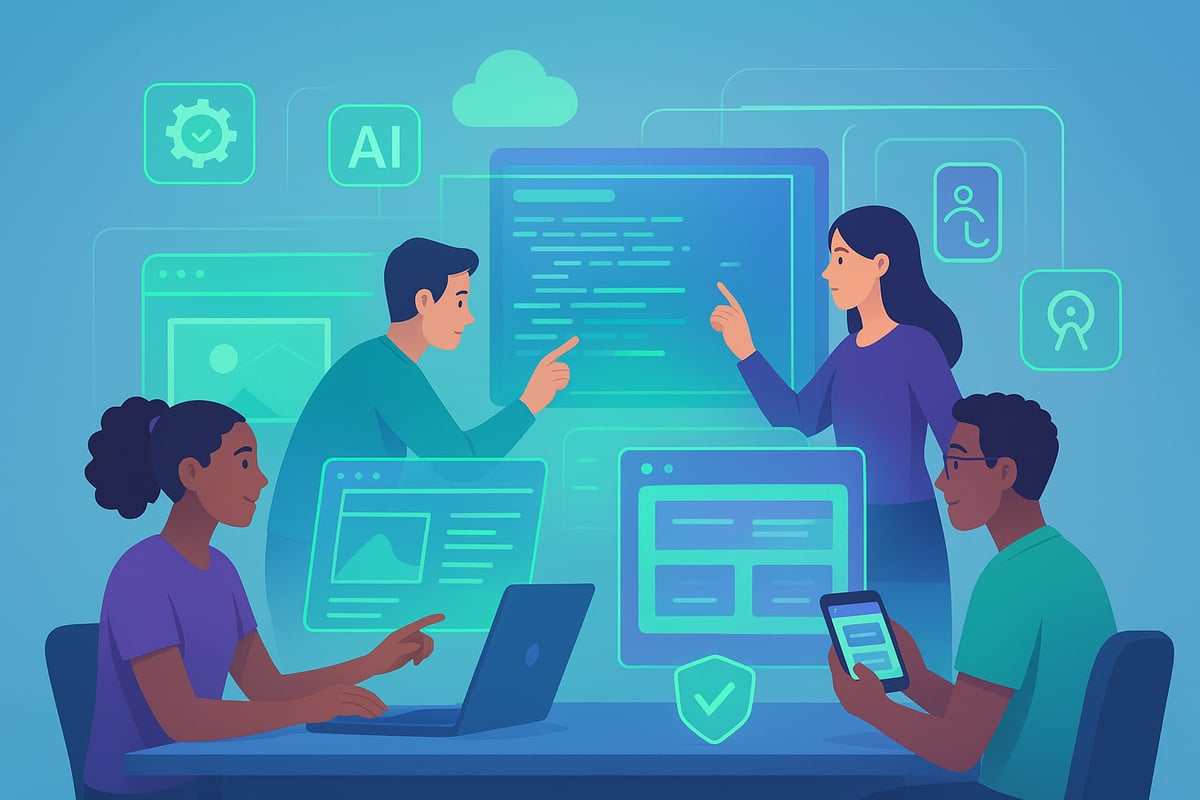
Below is a summary of the most influential trends redefining website development solutions this year:
| Trend | Impact on Website Development Solutions |
|---|---|
| AI-driven design | Automates layouts, personalisation, and testing |
| No-code/Low-code platforms | Democratise creation for non-developers |
| Headless CMS | Enables omnichannel content delivery |
| Progressive Web Apps (PWAs) | Combine app-like experience with web reach |
| Enhanced security protocols | Protect data and privacy in a complex landscape |
AI-driven tools are helping teams deliver smarter, more adaptive websites. No-code and low-code platforms are lowering barriers, allowing more people to create and iterate without deep coding knowledge. Headless CMS and JAMstack architectures give developers the flexibility to deliver content quickly across multiple channels.
Today’s users expect instant access, regardless of device or location. Mobile-first design is not just best practice—it is a necessity. Voice search is also influencing how content is structured and accessed, requiring website development solutions to be more adaptive.
Performance is under the spotlight, with Google reporting that 53% of mobile users leave sites that take longer than three seconds to load. This demand for speed drives the adoption of static site generators and advanced caching strategies.
Accessibility is another pressing concern. Despite progress, 98% of homepages still had detectable WCAG 2 failures in 2024 (Website Accessibility Statistics 2024). This highlights an ongoing gap in inclusive design, and underscores the importance of integrating accessibility from the start of any website development solutions project.
Modern businesses require seamless integration with third-party tools, APIs, and e-commerce systems. Balancing the need for customisation with scalability and maintainability remains a central challenge. Website development solutions must be robust enough to scale as user bases grow, while remaining easy to update and manage.
Major brands are migrating to JAMstack and headless e-commerce platforms for greater speed and flexibility. These architectures separate the front end from the back end, allowing for rapid updates and improved security. Businesses leveraging such website development solutions are able to deliver richer, more interactive experiences to their users.
The pace of change in website development solutions means that businesses cannot afford to stand still. Those who embrace these trends position themselves ahead of competitors, while those who resist risk falling behind. Keeping pace with technological advances is now an essential part of building a future-proof online presence.
Launching a successful digital presence begins with a clear understanding of the website development solutions available today. Each stage of the process is crucial for creating a future-proof website that delivers measurable results and supports business growth. Let us break down the essential steps every project should follow.
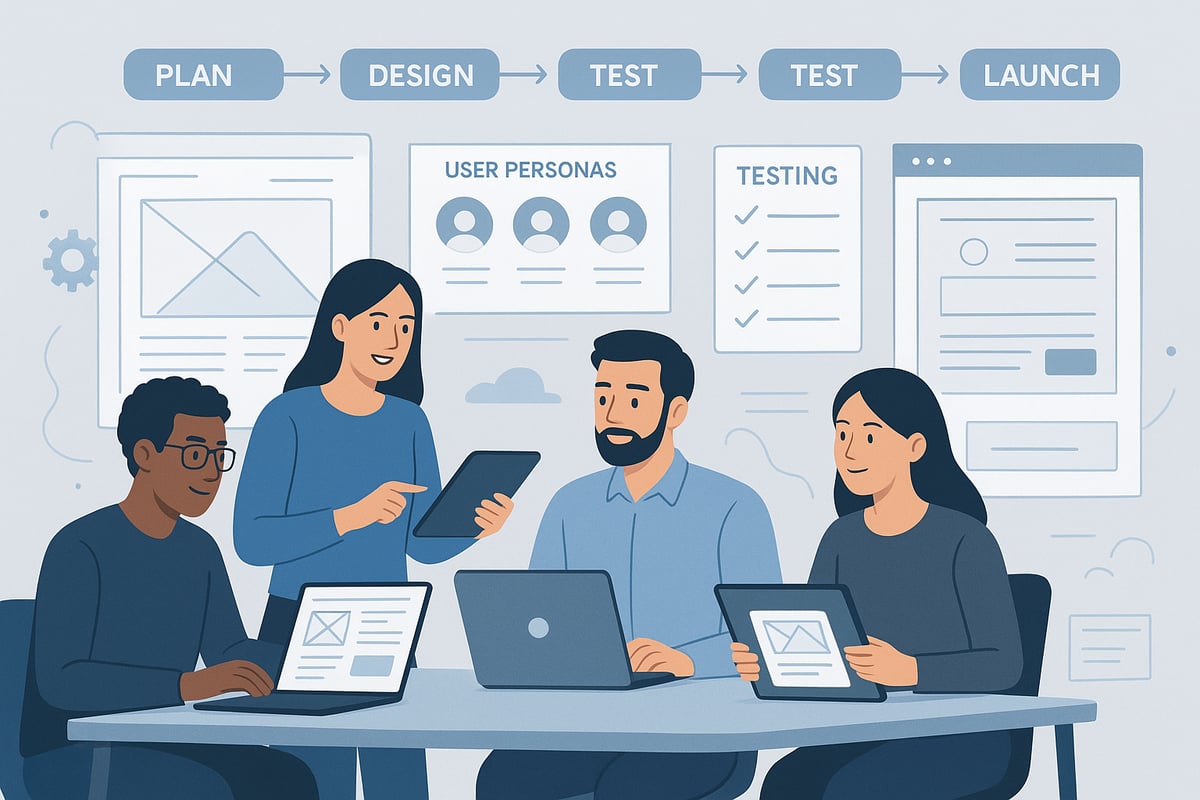
The foundation of effective website development solutions is a robust discovery phase. This stage sets the direction for the entire project, ensuring every decision aligns with business objectives and user needs.
Start by defining your business goals, such as increasing leads, boosting sales, or improving brand recognition. Identify your target audience and unique selling points, which help shape messaging and design. Conduct a thorough competitor and market analysis to understand industry standards and opportunities for differentiation.
Setting clear website objectives and key performance indicators (KPIs) is essential. For example, decide whether your goal is to increase newsletter signups by 20 percent or reduce bounce rates. Stakeholder interviews and user research are important for gathering diverse perspectives and understanding real user challenges.
A well-structured discovery process minimises costly revisions later on. By investing time upfront, you can avoid scope creep and ensure your website development solutions meet both business and user needs from the outset.
Once strategy is clear, planning and information architecture take centre stage. This step is where you organise content, design pathways, and create a user-centric structure.
Begin by developing user personas that represent your main customer segments. Map out customer journeys to highlight how users will interact with your site. A logical site structure and intuitive navigation are critical for guiding visitors seamlessly.
Wireframing and prototyping tools like Figma and Adobe XD are invaluable at this stage. They allow you to visualise layouts, test navigation, and iterate quickly. Prioritise mobile-first design to ensure your site performs well on all devices.
Optimising navigation can significantly boost user engagement. For instance, a business that revamped its menu structure saw visitors spending more time exploring services. By focusing on these planning essentials, your website development solutions will offer a smoother, more enjoyable user experience.
Modern website development solutions prioritise design and user experience. The visual and interactive aspects of your site have a major impact on credibility and engagement.
Current design trends include minimalism, micro-interactions, and dark mode, all aimed at enhancing usability and appeal. Accessibility best practices are now non-negotiable. Ensure adequate contrast, add descriptive alt text for images, and enable full keyboard navigation so everyone can use your site easily.
Responsive and adaptive design techniques guarantee your website looks and works perfectly across all devices. Visual storytelling and consistent branding reinforce trust and recognition. Remember, 75 percent of users judge a company’s credibility based on website design.
By focusing on both aesthetics and usability, your website development solutions become a powerful tool for building relationships and achieving business goals.
With the design approved, it is time to move into development and integration. Choosing the right technology stack is crucial for scalability, flexibility, and ease of maintenance.
Decide whether to use custom code, a content management system (CMS), or a no-code platform. Each offers distinct advantages depending on your needs and resources. Key technologies include HTML5, CSS3, and JavaScript frameworks like React, Vue, or Angular.
Integrating third-party APIs, payment gateways, and CRM tools enables advanced features and seamless operations. Security must be built in from the start, with SSL certificates and GDPR compliance as standard requirements.
For businesses seeking flexible and cost-effective options, Pay Monthly Website Design Solutions can offer a scalable way to access professional website development solutions without large upfront investments. This approach is particularly useful for growing companies needing to adapt quickly.
Before launch, rigorous testing and quality assurance ensure your website development solutions are reliable and performant. Testing covers functionality, usability, performance, security, and compatibility across browsers and devices.
Both automated and manual testing are valuable. Automated tools speed up repetitive checks, while manual testing uncovers user experience issues. A comprehensive pre-launch checklist should include verifying links, reviewing content, and confirming forms work correctly.
Decide between a soft launch, where you release the site to a limited audience, or a full public launch. Post-launch, set up analytics and monitoring to track performance and user behaviour.
By maintaining high standards during testing and launch, you protect your brand reputation and lay the groundwork for continuous improvement. This final step ensures your website development solutions deliver lasting value and drive results.
Staying ahead in website development solutions means leveraging the most current technologies and tools. The landscape in 2025 is rapidly evolving, with new frameworks, platforms, and security measures shaping how businesses build and maintain their digital presence.
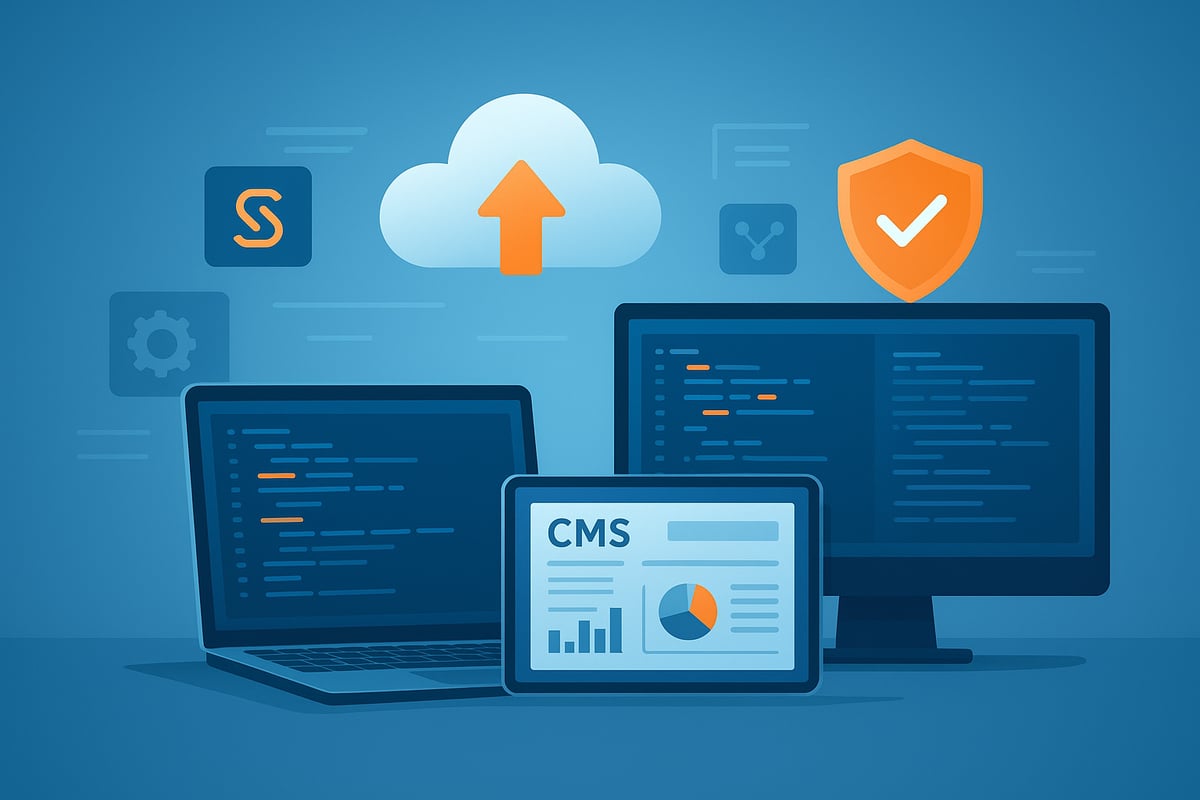
Front-end and back-end technologies form the backbone of website development solutions. In 2025, HTML5, CSS3, and JavaScript frameworks such as React, Vue, and Angular remain essential for creating interactive, responsive user interfaces.
On the back end, Node.js, Python, and PHP power dynamic content and integrations. These technologies enable seamless communication between the user interface and server-side logic, supporting everything from e-commerce to real-time data applications.
Choosing the right stack is crucial for scalability and maintainability. Developers often combine these tools to deliver fast, engaging sites that adapt to user needs.
Content management systems (CMS) are central to website development solutions. Traditional platforms like WordPress and Drupal offer robust features and community support, making them ideal for many businesses.
However, headless CMS options such as Contentful and Strapi are gaining traction. They decouple content management from presentation, allowing for omnichannel delivery across web, mobile, and IoT. Static site generators like Gatsby and Next.js further enhance performance and security by pre-rendering pages, reducing server load and attack surfaces.
The choice between these options depends on content needs, technical resources, and long-term goals.
| Platform Type | Examples | Pros | Cons |
|---|---|---|---|
| Traditional CMS | WordPress, Drupal | User-friendly, plugins, community | Heavier, less flexible |
| Headless CMS | Contentful, Strapi | API-driven, flexible, omnichannel | Requires dev expertise |
| Static Site Generators | Gatsby, Next.js | Fast, secure, scalable | Limited dynamic content |
Cloud hosting is a game-changer for website development solutions. Providers like AWS, Google Cloud, Netlify, and Vercel offer scalable, reliable infrastructure with global reach. These platforms automate deployment, backups, and scaling, reducing manual intervention and downtime.
No-code and low-code platforms, including Webflow, Wix, and Squarespace, empower users to build professional sites without deep technical skills. They offer drag-and-drop interfaces, rapid prototyping, and built-in hosting. While ideal for small businesses or rapid MVPs, they may have limitations in customisation and scalability compared to bespoke development.
Balancing ease of use with future growth is key when selecting these tools.
Efficient workflows underpin successful website development solutions. Continuous Integration and Continuous Deployment (CI/CD) pipelines automate testing and deployment, reducing errors and speeding up releases. Git version control ensures collaboration and tracking of code changes.
Security is paramount. SSL certificates, DDoS protection, and web application firewalls guard against threats. With GDPR and other data regulations in force, compliance is non-negotiable. Integrating these tools from the outset helps protect user data and maintain trust.
Automated monitoring and regular updates further strengthen your website’s resilience and performance.
The shift towards JAMstack architecture exemplifies the future of website development solutions. By decoupling the front end from the back end and leveraging APIs, businesses achieve faster sites, better security, and easier scaling.
According to the JAMstack Community Survey 2024, 64% of developers now prefer JAMstack for its speed and scalability. This reflects a broader trend of adopting modern architectures that enable omnichannel content delivery, from web to mobile and beyond.
For example, a retailer using a headless CMS can push updates to their website, mobile app, and digital signage simultaneously, ensuring consistent branding and messaging. Embracing these trends positions your business for future growth and adaptability.
Selecting the most suitable website development solutions is a pivotal decision that can shape your business’s digital trajectory for years to come. With so many options available, making the right choice requires careful consideration of your objectives, resources, and long-term growth plans.
Key Factors to Consider
Before investing in any website development solutions, evaluate these essential criteria:
| Factor | Why It Matters |
|---|---|
| Budget | Aligns with your resources and project scale |
| Scalability | Supports future growth and expansion |
| In-house expertise | Determines your need for external support |
| Business goals | Ensures your site drives measurable outcomes |
| Maintenance & Support | Reduces downtime and technical risk |
Each factor plays a significant role in narrowing down the best approach for your business.
Custom Development vs. Template-Based Solutions
One of the first decisions is whether to opt for a fully custom build or a template-based solution. Custom website development solutions offer maximum flexibility and can be tailored to unique needs, but they often demand a higher budget and longer timelines. Template-based solutions, on the other hand, provide faster deployment and cost savings, making them ideal for small businesses or startups with simpler requirements.
For instance, a business seeking a distinctive online presence and complex integrations might lean towards a bespoke approach. Conversely, a company prioritising speed to market may benefit from a high-quality template, later upgrading as needs evolve.
Evaluating CMS and Platform Options
Choosing the right platform is another crucial step. Open-source CMS options like WordPress and Drupal offer extensive customisation and a vast plugin ecosystem. Proprietary platforms may provide enhanced security and dedicated support, though often at a higher cost.
Ease of use, scalability, and the availability of support should guide your decision. Many businesses find that WordPress Website Design Services strike a balance between flexibility and user-friendliness, supporting a wide range of website development solutions for various industries.
Mobile Optimisation and Future-Proofing
With mobile traffic dominating the web, ensuring your website development solutions are optimised for all devices is non-negotiable. Responsive design, fast load times, and accessibility are now baseline expectations for users and search engines alike. Future-proofing also means considering technologies that can adapt to new trends, such as headless CMS or progressive web apps.
Assessing Vendors and Support Offerings
Selecting the right partner is as important as picking the right technology. Review vendor portfolios, ask for client testimonials, and assess ongoing support models. The best website development solutions come with transparent communication, clear timelines, and robust post-launch support.
Example: Local Retailer’s Growth Story
A local retailer in Doncaster migrated to a scalable e-commerce platform, moving from a basic template to a tailored solution as their needs evolved. This shift enabled better inventory management, seamless payment integrations, and a significant boost in online sales, demonstrating how the right website development solutions can unlock new growth opportunities.
Balancing Flexibility, Cost, and Long-Term Value
Ultimately, the ideal website development solutions are those that balance flexibility, affordability, and future readiness. Rushing into a decision or choosing solely on price can lead to technical debt, costly reworks, and missed business opportunities. Take the time to assess your current and future needs, and invest in solutions that set your business up for sustained digital success.

In a digital landscape where every second counts, optimising your website is crucial for success. Effective website development solutions start with a strong technical SEO foundation. Clean code, fast loading times, and mobile responsiveness are key drivers for visibility and user engagement. If your site loads slowly, you risk losing potential customers—websites with load times under two seconds see 15% higher conversion rates, as highlighted by Website Load Time and Conversion Rates.
Technical SEO is only the beginning. On-page SEO ensures your content is discoverable and relevant. Focus on optimising metadata, using clear headings, and adding structured data. Internal linking helps search engines crawl your site efficiently, while a strategic content plan—featuring blogs, landing pages, and multimedia—drives sustained traffic. Leading website development solutions integrate these tactics seamlessly, making your site more resilient to algorithm changes.
To boost conversions, every element of your site should guide users toward action. Clear calls to action, visible trust signals, and A/B testing are vital. A well-executed conversion rate optimisation strategy ensures your investment in website development solutions yields measurable results. Use analytics to identify bottlenecks and continuously refine user journeys.
Performance optimisation is essential for both SEO and user experience. Compress images, implement lazy loading, and leverage content delivery networks (CDNs) to reduce latency. Accessibility is equally important—ensuring your website is usable for all visitors improves rankings and broadens your audience. The best website development solutions include regular audits for accessibility and performance to maintain high standards.
Consider a business that revamped its site using these principles. After addressing technical SEO, streamlining performance, and focusing on conversion strategies, it doubled its conversion rate within months. This real-world success illustrates the power of comprehensive website development solutions. For deeper guidance, explore Search Engine Optimisation for Websites to ensure your site stays ahead in search, performance, and conversions.
A high-performing website is never a finished product. To maximise the value of your website development solutions, ongoing support and maintenance are critical for keeping your site secure, reliable, and ready for tomorrow’s challenges.
Regular updates, security patches, and reliable backups are the backbone of effective website development solutions. Ignoring these essentials can leave your site vulnerable to cyber threats or data loss, undermining your investment.
Research shows that 60% of businesses investing in ongoing support experience fewer outages and higher user satisfaction. Without consistent attention, even the best website development solutions can suffer from slow performance, outdated features, or critical security flaws.
Neglecting maintenance can result in costly downtime or even reputational damage, especially as user expectations for speed and reliability continue to grow. Proactive support ensures your website remains an asset, not a liability.
Monitoring your site’s health is a vital part of any website development solutions strategy. This includes checking uptime, scanning for broken links, and reviewing analytics to spot issues early.
For many businesses, partnering with a professional provider for Website Care Plans and Support offers peace of mind. These plans typically include regular updates, security monitoring, backups, and priority support. Managed hosting further streamlines technical tasks, allowing you to focus on your business rather than troubleshooting.
Key benefits of a comprehensive care plan:
With the right support, you can avoid common pitfalls and keep your website development solutions running smoothly.
Future-proofing your website is more than just maintenance. It involves adapting your website development solutions to embrace emerging technologies and evolving user needs.
AI-driven personalisation, AR/VR experiences, and web3 functionalities are increasingly shaping digital landscapes. Staying updated with these trends ensures your website remains relevant and competitive.
Continuous investment in support and innovation positions your business to seize new opportunities as they arise. By planning ahead, you can scale seamlessly, adopt new tools, and maintain a strong online presence without disruption.
A forward-thinking approach to website development solutions is essential for long-term success.
As you’ve seen throughout this guide, building a high performing, future ready website means staying ahead of trends, choosing the right technologies, and having a reliable partner to support your growth. If you’re ready to apply these strategies to your own business and want a site that not only looks great but drives real results, we’re here to help. Pixelish specialises in tailored website solutions for Doncaster and South Yorkshire businesses, offering ongoing support and proven expertise every step of the way. If you’d like to talk through your goals or explore your options, get in touch—we’d love to help you take the next step.

© Copyright 2025, All Rights Reserved by Pixelish