
No products in the basket.

Website Design Website Development Guide for 2026 Success
Master website design website development for 2026 with expert strategies…

Training website design is evolving at an unprecedented pace, transforming how learners interact, engage, and succeed in digital courses for 2025. As expectations rise, training providers, coaches, and organisations must embrace innovative features to capture and hold the attention of modern users.
Cutting-edge design trends do more than impress visually—they drive real results by boosting user engagement, retention, and course completion rates. In this article, you will discover seven inspiring training website design ideas to help you stay ahead.
We will explore the power of interactivity, the importance of accessibility, the impact of branding, the promise of personalisation, and other essential strategies to future-proof your training platform.
The landscape of training website design is undergoing a profound transformation in 2025. As digital learning becomes ever more central to professional development and personal growth, training providers must adapt quickly to shifting user behaviours and technological advances. Modern learners expect seamless, interactive, and accessible experiences that drive engagement and results.

Learner expectations are evolving rapidly, making mobile-first and responsive training website design a necessity. Users increasingly access learning materials on smartphones and tablets, demanding flawless performance regardless of device or screen size. In 2025, microlearning and on-demand content delivery are more prevalent than ever, catering to busy professionals and self-directed learners.
Fast load times and intuitive navigation are now fundamental. Research shows that 53% of users abandon sites that take more than three seconds to load, highlighting the direct impact of performance on engagement. Post-2020, the adoption of online training has soared, with industry data indicating over 90% of organisations now incorporate digital learning platforms.
Accessibility and inclusivity have also become core requirements. Meeting WCAG 2.2 compliance ensures that training website design reaches learners of all abilities, expanding potential audiences and fulfilling ethical responsibilities. These priorities are shaping the direction of the field, as explored in resources like E-learning Website Design Trends 2025, which details upcoming trends in personalisation, gamification, and more.
As digital habits continue to shift, training providers must remain agile, integrating these standards to meet and exceed user expectations.
The integration of advanced technologies is redefining the possibilities for training website design. Artificial intelligence now powers personalised learning journeys, adapting content and assessments to individual progress and preferences. This AI-driven approach supports diverse learning styles and boosts satisfaction.
Augmented reality and virtual reality are emerging as powerful tools for immersive learning. Through AR/VR, learners can participate in realistic simulations, virtual classrooms, or interactive demonstrations, deepening engagement and comprehension. In 2025, platforms that incorporate these technologies report higher knowledge retention and learner motivation.
Analytics are another cornerstone of modern training website design. Providers can track user behaviour, course completion rates, and engagement metrics in real time, enabling continuous improvement of content and user journeys. For example, leading platforms like Coursera and Udemy use advanced analytics dashboards to inform instructional design and support learners effectively.
As these innovations become standard, training website design must balance cutting-edge features with reliability and simplicity, ensuring technology enhances rather than complicates the learner experience.
A strong brand identity is essential in the competitive world of training website design. Consistent visual elements, messaging, and tone help providers stand out and build lasting recognition. Trust signals—including testimonials, professional certifications, and client logos—reinforce credibility, encouraging visitors to enrol and participate.
Optimising landing pages and calls-to-action is crucial for maximising sign-ups. Clear value propositions, concise copy, and visually appealing layouts guide users smoothly from discovery to registration. Techniques such as A/B testing and user feedback inform ongoing improvements, ensuring that each element contributes to higher conversion rates.
In 2025, the most successful training website design strategies combine trustworthy branding, persuasive design, and seamless user journeys. By prioritising these areas, training organisations can foster deeper engagement, loyalty, and measurable results.
The digital learning landscape is transforming at an unprecedented pace. To stand out and succeed, training website design must go beyond aesthetics to deliver seamless, engaging, and effective learning experiences. Below, we explore seven innovative ideas shaping the future of training website design in 2025. Each trend is grounded in real-world examples, best practices, and actionable insights for training providers aiming to elevate their online presence.

Modern learners expect flexibility, and mobile devices have become the primary gateway to education. In 2025, mobile-first training website design is not just a trend, it is a necessity. A responsive layout ensures content adapts smoothly to any device, whether a smartphone, tablet, or desktop.
Best practices for mobile-first training website design include:
Leading fitness and education platforms exemplify these principles. For instance, Athleticon Fitness offers a slick, app-like interface, enabling users to access courses, track progress, and engage with content anywhere. Another example, the Yoga Landing Page, showcases how microinteractions on mobile can boost engagement and satisfaction.
Recent data shows mobile learning engagement rates climbed by over 30% from 2022 to 2024. With more users preferring bite-sized, on-the-go lessons, training website design that prioritises mobile responsiveness is essential for maximising reach and impact.
In summary, mobile-first training website design is foundational. It improves accessibility, increases user satisfaction, and supports higher course completion rates.
Interactivity is at the heart of effective training website design. In 2025, learners seek more than passive consumption, they crave active participation and instant feedback.
Gamification elements such as progress bars, badges, and quizzes are powerful motivators. They turn learning into a dynamic, rewarding journey. Interactive dashboards allow users to track achievements, while leaderboards introduce a healthy dose of competition.
Consider these interactive features for your training website design:
Fitness, language, and professional certification platforms have embraced gamification. Duolingo, for example, uses streaks and XP points, leading to significantly higher course completion rates. Professional certification sites now incorporate scenario-based quizzes and peer challenges, adding real-world context and motivation.
Research from 2024 indicates that courses with gamified interfaces see completion rates increase by up to 50%. Integrating these elements into training website design not only makes learning fun but also boosts retention and long-term engagement.
Personalisation is redefining training website design in 2025. Artificial intelligence enables platforms to adapt content, assessments, and pacing to each learner’s unique needs and goals.
AI-powered content recommendations analyse user behaviour and preferences, serving up relevant modules and resources. Adaptive assessments adjust difficulty based on performance, ensuring every learner is challenged at the right level.
Key benefits of AI-driven personalisation in training website design include:
Platforms such as Coursera and LinkedIn Learning now use AI to curate tailored curricula. A recent study shows that learners exposed to personalised recommendations are 40% more likely to complete courses.
For a deeper dive into the impact of AI on personalised learning, see AI in Personalized Learning: Trends & Benefits, which highlights how advanced algorithms improve engagement and outcomes.
In 2025, effective training website design leverages AI to create meaningful, individualised experiences, driving measurable improvements in learner success.
Bite-sized, multimedia-rich content is a cornerstone of modern training website design. Learners in 2025 demand flexibility and variety, favouring short videos, podcasts, and animations over lengthy text-based modules.
Microlearning breaks complex topics into digestible chunks, making it easier for users to fit training into busy schedules. Multimedia assets engage different learning styles, improving knowledge retention and application.
Leading platforms deliver microlearning through:
Research confirms that multimedia content can boost retention by up to 60% compared to traditional text lessons. Platforms like TED-Ed and Khan Academy excel at presenting information in concise, engaging formats.
By integrating microlearning and multimedia, training website design becomes more accessible, enjoyable, and effective for diverse audiences.
Accessibility is non-negotiable in training website design for 2025. Sites must cater to all users, regardless of ability, ensuring equal opportunity to learn and participate.
Essential accessibility features include:
The business and ethical case for inclusive training website design is clear. Accessible sites reach wider audiences and comply with regulations such as WCAG 2.2. Platforms like OpenLearn and FutureLearn provide excellent examples, offering robust accessibility tools and clear user guidance.
A commitment to accessibility enhances brand reputation and user trust. It also opens doors to learners who may otherwise be excluded.
Learning is inherently social, and training website design in 2025 reflects this with robust community features. Forums, peer chat, and collaborative assignments foster connection and support.
Key social elements for training website design:
Social proof, such as reviews and ratings, builds trust and encourages participation. Platforms like Codecademy and Udemy have thriving learner communities, where engagement is linked to higher completion rates.
Data shows that courses with active community features see up to 35% higher retention. Integrating these elements into your training website design supports motivation, accountability, and a sense of belonging.
Continuous improvement is essential for effective training website design. In 2025, analytics play a pivotal role in refining user journeys, optimising content placement, and increasing conversions.
Key strategies include:
For example, a leading corporate training platform implemented data-driven changes to its sign-up process, resulting in a 20% increase in registrations. Another used analytics to reposition course recommendations, boosting engagement.
By leveraging data, training website design becomes a living, evolving asset. Regular analysis enables providers to make informed decisions, ensuring that the site remains effective, competitive, and user-centric.
Embracing the future of training website design means more than adopting the latest trends. It requires a strategic, user-centred approach to ensure every innovation genuinely improves learner engagement and outcomes. By following proven best practices, training providers can build platforms that are not only visually appealing but also effective and sustainable.
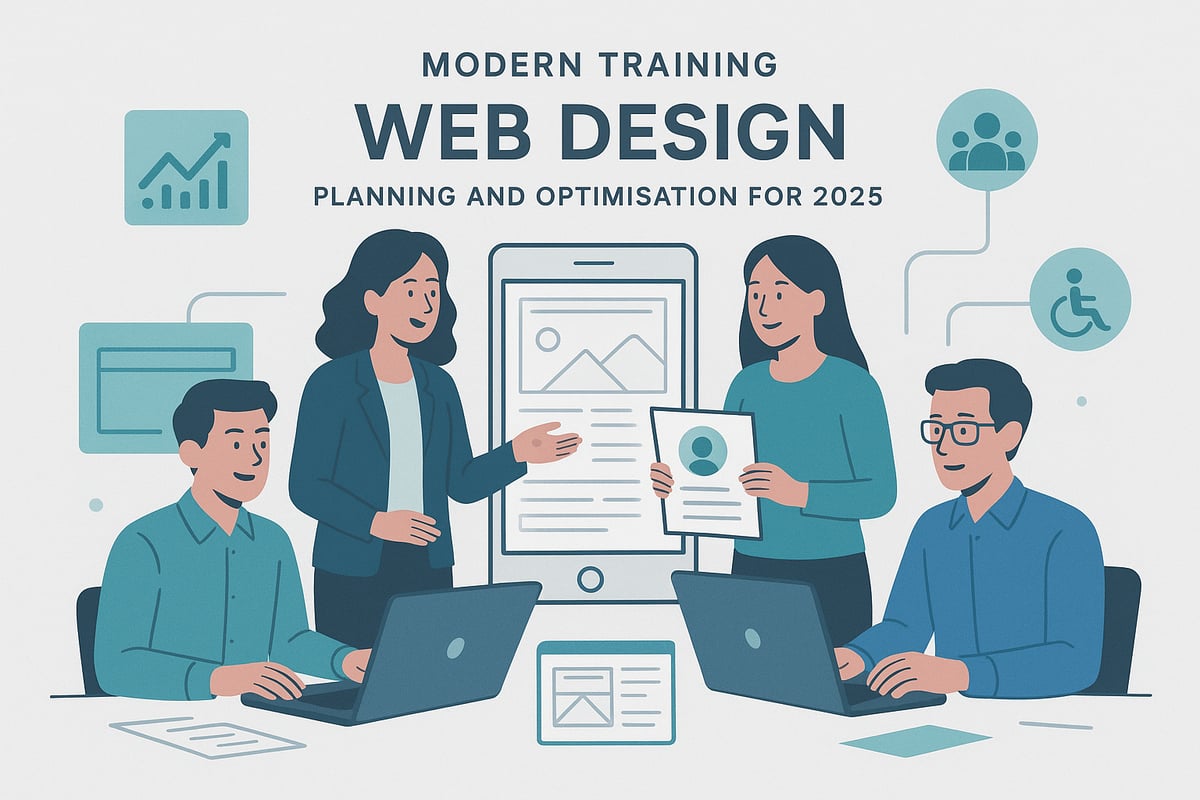
Every successful training website design starts with a deep understanding of its audience. Conducting thorough audience analysis helps you identify learner needs, pain points, and digital habits. Develop detailed user personas to guide decisions on content structure and feature prioritisation.
Usability testing is essential before launching new features. Engage real users in prototype testing to uncover friction points in navigation or content delivery. Collect both quantitative and qualitative feedback to inform refinements.
Key steps for effective planning:
By integrating these research methods into your process, your training website design will remain focused on real-world learner needs, ensuring better engagement and satisfaction.
While it is tempting to incorporate every emerging trend, effective training website design is about finding the right balance. Prioritise features that deliver clear value without overwhelming users with complexity.
Start by identifying essential functionalities—such as mobile responsiveness, accessibility, and intuitive navigation. Introduce innovative elements like gamification or AI-driven personalisation only when they enhance, rather than hinder, the user experience.
Consider these guidelines:
Remember, the most advanced training website design is one that remains easy to navigate, welcoming to all users, and focused on learning outcomes rather than novelty.
Ongoing success requires continuous attention to your training website design. Regular updates keep the platform secure, while fresh content ensures ongoing learner interest. Schedule routine checks for broken links, outdated resources, and emerging security vulnerabilities.
Optimisation should be systematic:
Accessibility and SEO are foundational for reach and compliance. For guidance on inclusive design and discoverability, review these website accessibility and SEO optimisation best practices tailored for training platforms. By embedding these principles, your site will remain effective, inclusive, and discoverable as user expectations evolve.
Innovative training website design is shaping the future of digital learning. Across sectors, platforms are adopting fresh approaches to boost engagement, inclusivity, and results. Let us explore three categories where these advancements are most evident, each offering lessons for anyone invested in forward-looking training website design.

The fitness industry has embraced training website design that prioritises mobile experiences and gamification. Sites like Athleticon Fitness and Yoga Landing Page lead with sleek, responsive layouts that adapt perfectly to any device.
Interactive dashboards, progress tracking, and achievement badges encourage users to stick with their routines. For example, weekly challenges and live leaderboards transform fitness into a motivating social experience. These platforms often include microlearning modules, such as short workout videos and bite-sized tips, catering to users with busy schedules.
Accessibility is also a strong focus. High-contrast colour schemes and simple navigation features ensure everyone can participate. These design choices not only drive higher engagement but also lead to measurable increases in course completion rates. The result is a training website design that keeps users coming back.
Professional certification providers are investing in training website design that builds trust and drives conversions. Strong branding, well-placed testimonials, and industry-recognised certifications feature prominently on landing pages.
Many use scalable platforms like WordPress web design for trainers to deliver custom solutions, combining robust content management with seamless integration of assessment tools. This flexibility allows organisations to personalise learning journeys and showcase client logos, adding credibility.
Advanced analytics also play a key role. These sites track learner progress in real-time, enabling data-driven improvements to the user experience. Clear calls-to-action and intuitive sign-up flows further boost conversion rates. By blending trust signals with effective design, these platforms set a high standard for training website design in the corporate sector.
Niche training website design stands out for its focus on community and collaboration. Platforms serving sports, arts, or industrial training often feature peer forums, chat rooms, and group assignments.
These social features transform passive learning into an interactive journey. For instance, arts training sites may host virtual galleries or critique spaces, enabling learners to share work and receive feedback. Leaderboards and achievement sharing foster friendly competition, driving motivation.
Accessibility remains a priority here as well, with alt text and keyboard navigation ensuring all users can participate. By tailoring training website design to specific community needs, these platforms create supportive spaces that boost engagement and loyalty.
Measuring the effectiveness of your training website design is essential for long-term growth and learner success. Without clear metrics, it is impossible to understand what is working and where improvements are needed. The right data helps providers optimise user experience, increase engagement, and achieve higher course completion rates.
Defining Success: Essential KPIs
To evaluate training website design, focus on a set of well-established key performance indicators (KPIs). These typically include user engagement (time on site, active sessions), course completion rates, conversion rates (sign-ups or purchases), and overall learner satisfaction. Tracking these KPIs reveals how effectively your training website design supports your business goals and user needs.
Regularly reviewing these metrics provides valuable insights into which features are driving results. For instance, high engagement and completion rates indicate that your content and navigation are resonating with learners. Conversely, low conversion or satisfaction scores may highlight usability or content gaps.
Tools and Benchmarks for Performance Measurement
A variety of tools can help you measure training website design performance. Google Analytics, learning management system dashboards, and feedback surveys are essential for tracking user behaviour and satisfaction. Industry benchmarks from 2024 and 2025 suggest average course completion rates for online platforms range from 40% to 60%, while engagement metrics such as session duration and repeat visits are also strong indicators of success.
For deeper insights, advanced solutions like AI-Driven Adaptive Conversational Surveys can automatically gather nuanced feedback and adapt questions for each learner, making it easier to identify specific needs and satisfaction drivers. Comparing your results against these benchmarks helps you set realistic targets and continuously refine your training website design.
Using Data for Continuous Improvement
Interpreting and acting on your data is critical for ongoing success. Regularly review analytics to identify trends, such as which courses have the highest drop-off rates or which sections drive the most engagement. Use A/B testing to experiment with new design elements or content layouts, ensuring every change is informed by real user data.
By making data-driven adjustments, training website design can evolve to meet changing learner expectations and industry standards. Ultimately, a commitment to ongoing measurement and optimisation will keep your platform competitive and effective in 2025.
As we've explored the latest trends in training website design—from mobile first experiences to data driven optimisation—it's clear that a forward thinking approach can make all the difference in engaging your learners and driving real results. If you're ready to turn these ideas into a high performance website tailored to your organisation's goals, let's start a conversation. At Pixelish, we specialise in crafting bespoke solutions that convert visitors into loyal customers, with ongoing support every step of the way. Feel free to Get in touch to discuss how we can bring your training platform vision to life.




© Copyright 2025, All Rights Reserved by Pixelish