
No products in the basket.

Website Design Website Development Guide for 2026 Success
Master website design website development for 2026 with expert strategies…

Over 60% of UK businesses faced a cyberattack in 2025, highlighting an urgent need for stronger digital defences.
In today's rapidly changing landscape, this guide empowers you to master secure website development for 2026. You will discover the latest security threats, compliance requirements, and practical steps to protect your business online.
Real-world examples, proven best practices, and emerging trends await. Take action now to safeguard your website, your data, and your reputation with robust, future-ready solutions.
The digital landscape is changing rapidly, and secure website development is now more critical than ever. With cyber threats growing in complexity, businesses must adapt to stay ahead. In 2026, the risks, regulations, and user expectations surrounding web security have evolved, shaping how organisations approach protection for their online assets.
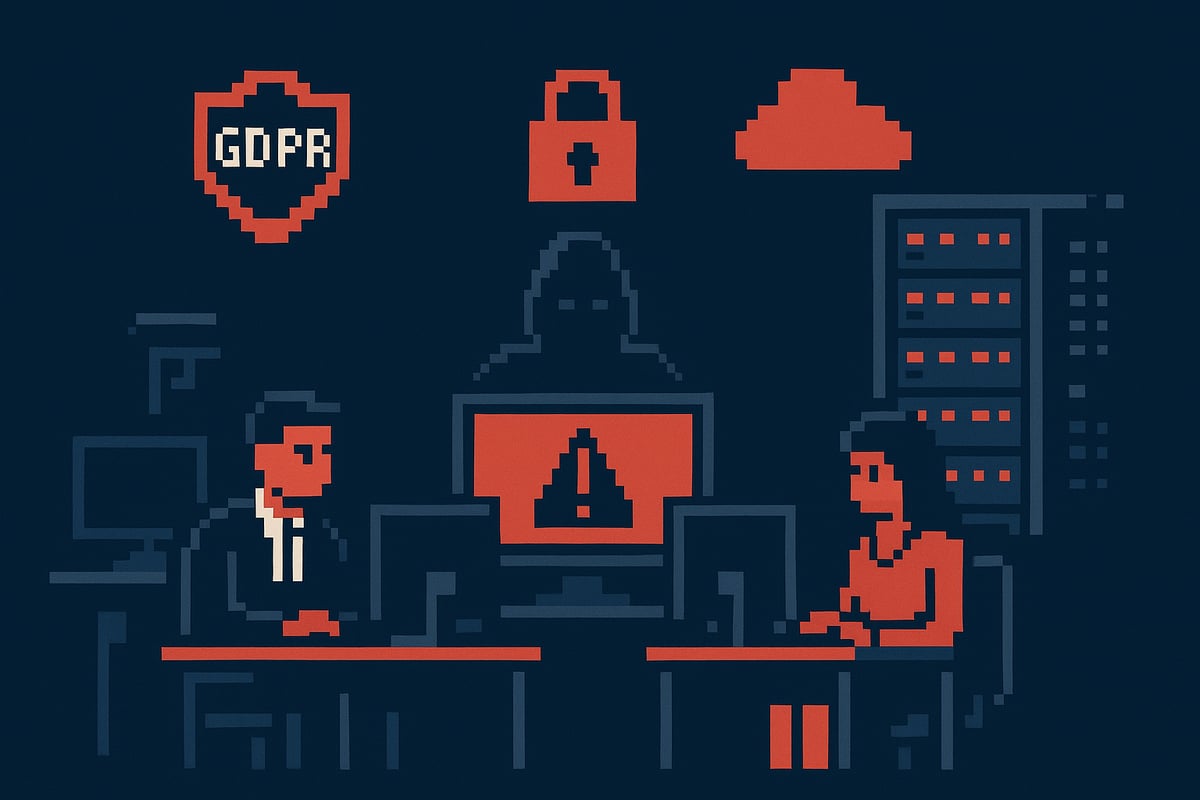
Cyberattacks in 2026 have become significantly more sophisticated. Attackers now leverage AI-driven malware that adapts to bypass traditional defences. Supply chain attacks are on the rise, with hackers targeting third-party providers to access core business systems. Phishing campaigns are increasingly personalised, exploiting remote work setups and cloud-based platforms.
According to the UK Cyber Security Breaches Survey 2025, there was a 40 percent increase in attacks targeting UK SMEs last year. High-profile incidents, such as the Jaguar Land Rover breach, have demonstrated the devastating consequences of security lapses, from operational shutdowns to reputational damage.
The shift to remote work and cloud adoption has expanded the attack surface for organisations. Employees accessing sensitive systems from various locations and devices introduce new vulnerabilities. Secure website development now demands a comprehensive approach that anticipates these evolving threats and incorporates resilience from the outset.
The need for robust secure website development has never been more urgent.
Regulatory requirements for secure website development have tightened in 2026. Updates to GDPR and new UK data protection laws have introduced stricter obligations regarding the collection, storage, and processing of user data. Non-compliance can result in substantial fines and increased scrutiny from regulatory bodies.
E-commerce businesses must now comply with PCI DSS 4.0, which sets new standards for handling payment data securely. This includes stronger encryption, continuous monitoring, and enhanced authentication processes. Additionally, WCAG 3.0 has introduced new guidelines, blending accessibility and security to ensure websites are both safe and usable for all visitors.
Key regulatory changes for 2026:
Meeting these requirements is central to secure website development, ensuring both legal compliance and user trust.
Modern consumers expect privacy, transparency, and control over their data. Businesses that fail to prioritise secure website development risk losing customer trust, which can have a direct impact on revenue and reputation. According to industry statistics, 70 percent of consumers avoid companies that have suffered a data breach.
The financial consequences of poor security are severe. Beyond fines for non-compliance, organisations can face lawsuits, operational disruption, and lasting damage to their brand. Investing in secure website development is not just a technical necessity but a business imperative.
As threats, regulations, and expectations evolve, secure website development remains the cornerstone of online business resilience.
In 2026, secure website development requires a proactive, layered approach. By embedding security into every stage, businesses can protect assets, customer data, and brand reputation. The following core principles guide developers and organisations in building robust websites ready for modern threats.

Effective secure website development starts with security by design. This principle means considering security from the earliest planning phases, not as an afterthought. Teams should define security requirements alongside business goals, ensuring that every decision supports a secure foundation.
Implementing the principle of least privilege is vital. Only grant users the minimum access needed for their roles, and always choose secure defaults for system settings. For example, an e-commerce site should separate customer and admin data, using strong access controls to prevent unauthorised changes.
By prioritising secure website development from the outset, businesses reduce the risk of vulnerabilities and create a safer environment for users.
Secure website development relies on rigorous coding standards. Regular code reviews and the use of static analysis tools help catch errors before they become risks. Developers must stay informed about the latest threats, such as those listed in the OWASP Top 10:2025, which outlines the most critical web application vulnerabilities.
Key areas to address include API security, server-side request forgery, and cross-site scripting. Choosing frameworks with built-in security features, like automatic input validation, further reduces exposure to common attacks.
By embedding secure website development principles into daily coding practices, teams can significantly lower the chance of introducing flaws.
Strong authentication and authorisation are essential for secure website development. Multi-factor authentication (MFA) should be standard, requiring users to provide two or more verification factors. This makes unauthorised access much harder.
Role-based access control (RBAC) allows precise management of user permissions. For example, implementing OAuth 2.1 helps secure third-party integrations, ensuring only verified users or apps can access sensitive data.
These measures, when integrated into secure website development, protect against credential theft and privilege escalation.
Data security is at the heart of secure website development. Encrypting data in transit using TLS 1.3 and enforcing HTTPS across all pages is non-negotiable. Sensitive information, such as personal or payment data, should also be encrypted at rest within databases.
Proper handling of personally identifiable information (PII) is crucial. Limit storage, anonymise where possible, and regularly review data retention policies. These steps help maintain trust and support compliance with evolving regulations.
Prioritising data protection within secure website development minimises the impact of potential breaches.
Modern websites often rely on plugins, APIs, and third-party scripts. Secure website development demands rigorous vetting of these components before integration. Evaluate the vendor's reputation, update history, and vulnerability response.
Supply chain risk is real, with 25% of breaches originating from third-party components. For platforms like WordPress or headless CMS, manage dependencies carefully and remove unused plugins. Regularly update all integrations to patch known vulnerabilities.
A disciplined approach to third-party tools is a cornerstone of secure website development.
Maintaining secure website development is an ongoing process. Integrating automated security tests into CI/CD pipelines ensures new code does not introduce weaknesses. Use vulnerability scanning tools to detect issues early.
Once live, continuous monitoring tracks for suspicious activity and emerging threats. Analysing logs and setting up alerts allows quick response to incidents. Combined with regular updates, this vigilance keeps secure website development efforts effective and resilient.
Building a secure website in 2026 demands a strategic, step-by-step approach. With cyber threats evolving rapidly, a structured process ensures your site is protected from planning to ongoing maintenance. Follow these seven essential steps for secure website development, each designed to mitigate risks, meet compliance, and foster user trust.

Every secure website development project starts with robust planning. Define clear security requirements early—align them with business objectives, compliance needs, and user expectations. Threat modelling is crucial at this stage, helping you anticipate risks and prioritise defences.
Use frameworks like STRIDE to map out potential threats, such as spoofing or data tampering. This ensures no critical scenario is overlooked. Collaborate with stakeholders, identify sensitive data, and outline privacy obligations from the outset.
Organising security workshops during planning helps foster a security-first mindset across your team. When secure website development is embedded from day one, you lay a solid foundation for resilience and trust.
Choosing the right technology stack is vital for secure website development. Evaluate content management systems (CMS) and frameworks based on their security track record, frequency of updates, and vendor support. Prioritise solutions with active communities and transparent security practices.
Compare open-source and proprietary options. Open-source platforms offer flexibility, but require diligent patch management. Proprietary solutions may provide dedicated security support, yet could limit customisation. Always review documentation for security features and update policies.
Regularly monitor for vulnerabilities in your stack. A well-informed choice at this step reduces risks and streamlines future updates, reinforcing secure website development from the ground up.
Adopt secure coding standards and integrate them into your development lifecycle. Peer code reviews and automated linting help catch issues early. Use static analysis tools to identify vulnerabilities before deployment.
Follow the OWASP Top 10 for 2026, addressing threats like API security flaws and server-side request forgery. Select frameworks with built-in security controls for input validation and output encoding.
When using platforms like WordPress, refer to WordPress security best practices to strengthen your site against common attacks. Consistently applying these principles is central to secure website development.
Secure website development requires modern authentication methods. Enforce strong password policies and make multi-factor authentication (MFA) a default. Weak credentials remain a leading cause of breaches, so regular credential audits are essential.
Implement role-based access control (RBAC) to limit permissions according to user roles. For third-party integrations, use protocols like OAuth 2.1 to enable secure authorisation without exposing sensitive data.
Restrict admin access points and monitor for unauthorised attempts. By prioritising granular access control, you strengthen the overall security of your website and protect it against privilege escalation attacks.
Data protection is a cornerstone of secure website development. Encrypt all sensitive data, both at rest and during transmission, using modern protocols like TLS 1.3. Regularly review database encryption settings and ensure all backups are secure.
Comply with GDPR, PCI DSS, and other relevant regulations. Implement cookie consent banners and clear privacy notices to inform users of data practices. Anonymise personal information wherever possible to minimise risk.
Establish workflows for secure data handling, including access logs and regular audits. By making data security and privacy compliance integral to your secure website development process, you build long-term trust with users and regulators.
Before launching, put your secure website development to the test. Conduct penetration testing to identify vulnerabilities from an attacker’s perspective. Consider bug bounty programmes to encourage responsible disclosure.
Prepare a comprehensive security audit checklist. Verify that all dependencies are up to date, access controls are enforced, and sensitive data is protected. Simulate incident response scenarios to ensure your team is ready for potential breaches.
Finalise launch with a security review meeting, confirming that all controls are in place. This rigorous approach ensures that your website is resilient before going live, reinforcing secure website development at every stage.
Secure website development does not end at launch. Schedule regular updates for all software components, including plugins and third-party scripts. Patch management is critical to closing newly discovered vulnerabilities.
Set up continuous monitoring and log analysis to detect anomalies or suspicious activity promptly. Provide ongoing security training for staff to keep them aware of emerging threats and best practices.
Maintain a clear incident response plan and review it regularly. By embracing a culture of proactive maintenance, you ensure that secure website development remains a continuous, evolving process that safeguards your business and users.
As cyber threats continue to evolve, advanced strategies are essential for secure website development. Staying ahead of attackers in 2026 means embracing new frameworks, technologies, and proactive defence mechanisms. Each of the following security layers will help future-proof your digital presence and maintain trust with your users.
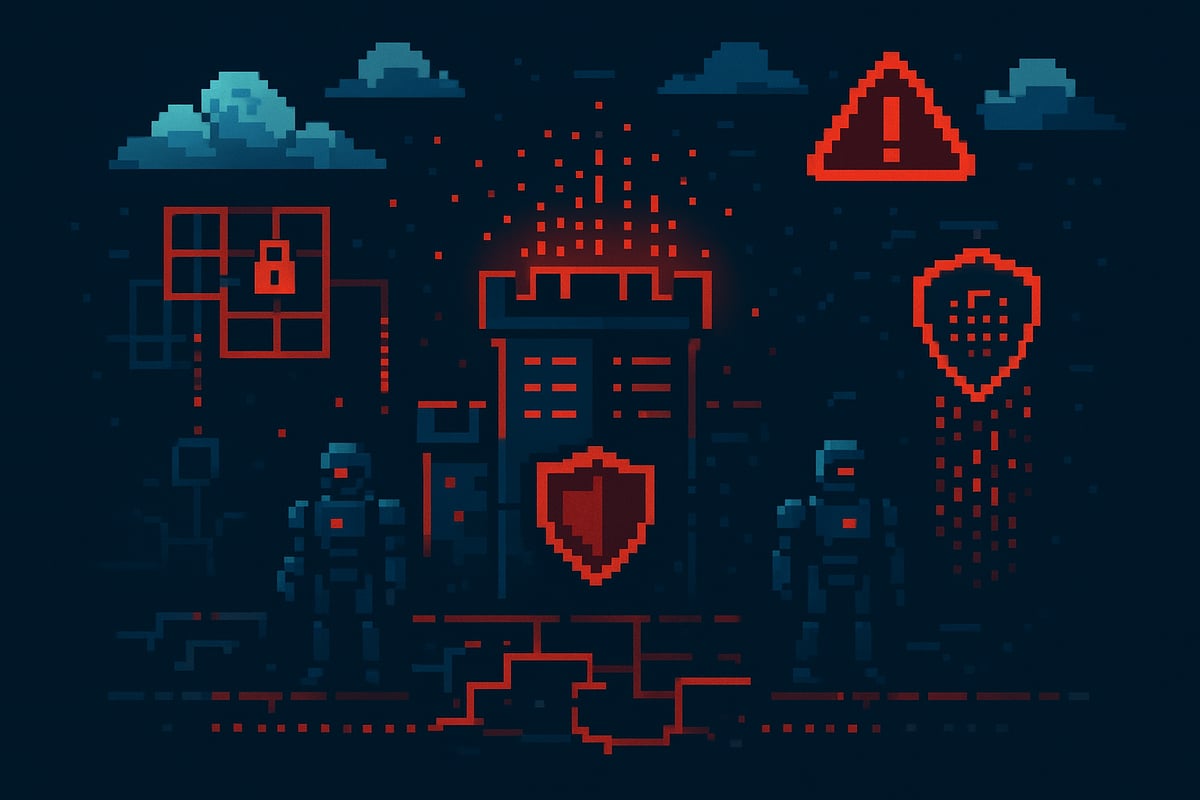
Zero trust architecture is transforming secure website development by enforcing a principle of “never trust, always verify” for every user, device, and connection. Unlike traditional perimeter-based security, zero trust micro-segments networks, reducing the attack surface and limiting lateral movement if a breach occurs.
Here's a quick comparison:
| Approach | Trust Model | Access Control |
|---|---|---|
| Traditional | Trust inside perimeter | Broad, static |
| Zero Trust | Verify all, always | Granular, dynamic |
In secure website development, micro-segmentation means isolating application components so that attackers cannot easily pivot between systems. For instance, sensitive data processing modules are separated from public-facing interfaces, with access granted strictly on a need-to-know basis. This rigorous approach greatly reduces risk and supports compliance goals.
AI-driven security tools have become indispensable in secure website development. These systems continuously analyse traffic and user behaviour to detect unusual patterns, such as spikes in login attempts or data requests.
Machine learning algorithms help identify zero-day threats in real time, allowing for immediate response to emerging risks. For example, an AI system can flag suspicious activity and automatically quarantine affected segments, preventing escalation.
Integrating AI into secure website development also enables automated incident response, reducing the window of vulnerability. As attackers become more sophisticated, leveraging machine learning is crucial for maintaining a proactive security posture.
APIs are the backbone of modern web applications, but they are frequent targets for attackers. Secure website development requires robust API security, including authentication, authorisation, and strict rate limiting.
A simple API rate limiting policy in Python might look like:
if requests_per_minute > 100:
    deny_request()
Implementing OAuth 2.1 and OpenID Connect ensures only trusted applications interact with your APIs. Additionally, always validate and sanitise all incoming data to prevent injection attacks.
If you've ever wondered why is my website not secure, unprotected or poorly managed APIs are often to blame. Regular testing and monitoring are vital components of secure website development.
Web Application Firewalls are now a non-negotiable element of secure website development. WAFs block malicious traffic, filter out common attack patterns, and provide an essential layer of defence against threats like SQL injection and cross-site scripting.
DDoS attacks surged by 35% against UK businesses in 2025, highlighting the need for real-time mitigation. Cloud-based DDoS protection services can absorb and deflect massive traffic spikes, ensuring uptime and business continuity.
The Jaguar Land Rover Cyberattack Overview illustrates the severe operational disruption caused by large-scale attacks. Combining WAFs with DDoS solutions fortifies your secure website development strategy and helps safeguard your reputation.
Quantum computing will soon challenge traditional encryption methods. Future-proofing secure website development means preparing for quantum-resilient algorithms now.
Current recommendations include:
Transitioning early to quantum-safe practices ensures your data remains protected as new threats emerge. Secure website development in 2026 is not just about today’s challenges but anticipating tomorrow’s as well.
Upholding compliance and earning user trust are central to secure website development in 2026. As regulations tighten and consumer awareness grows, businesses must be proactive. Let us break down the core pillars of compliance and trust for your website.
Adhering to legal standards is fundamental for secure website development. The UK’s regulatory landscape in 2026 includes updated GDPR, PCI DSS 4.0, and new data protection acts. Businesses must document compliance, conduct regular audits, and keep policies up to date.
A practical compliance checklist often includes:
Partnering with Website development services UK can help ensure your secure website development aligns with the latest laws and industry best practices.
Transparency is a key driver of user trust. A robust privacy policy should clearly communicate what data is collected, how it is used, and user rights. Secure website development requires that privacy dashboards are easy to access and understand.
Consider including:
A transparent approach can reduce confusion and demonstrate your commitment to ethical data handling.
Displaying security certifications and trust badges directly boosts user confidence. SSL certificates, PCI DSS compliance seals, and independent audit reports visibly signal that your secure website development process is thorough.
Research shows a 50 percent increase in conversion rates for sites with security badges. Prominently display these credentials in footers, checkout flows, and login pages to reassure visitors and drive engagement.
Even with secure website development, incidents may occur. A clear incident response plan should include rapid breach notification, user communication, and transparent updates. Learning from incidents and sharing lessons with stakeholders helps rebuild trust.
Effective plans often feature:
Continuous education is vital for maintaining a security-first culture. Ongoing training for staff and accessible resources for users foster safer online behaviour. Cover phishing awareness, password hygiene, and reporting procedures.
Empowering your team and users with knowledge strengthens your overall security posture and supports your secure website development strategy.
After exploring the latest security threats, practical steps, and future-proofing strategies for your website, you might be wondering where to begin or how to ensure your business is fully protected. At Pixelish, we understand that every business in Doncaster and South Yorkshire has unique needs when it comes to secure website development. Whether you’re building from scratch or upgrading your existing site, our team combines bespoke design with industry-leading security and ongoing support. If you’d like tailored advice or want to discuss your project, I invite you to Get in touch—let’s make your website secure for 2026 and beyond.





© Copyright 2025, All Rights Reserved by Pixelish